Women's Health
Women’s Seasonal Eating: Iron, Energy Availability, and Cycle Realities
Women’s seasonal patterns should protect iron, energy availability, and produce intake—not cycle-sync food superstition. Menstruation, training, and winter light interact with fueling.
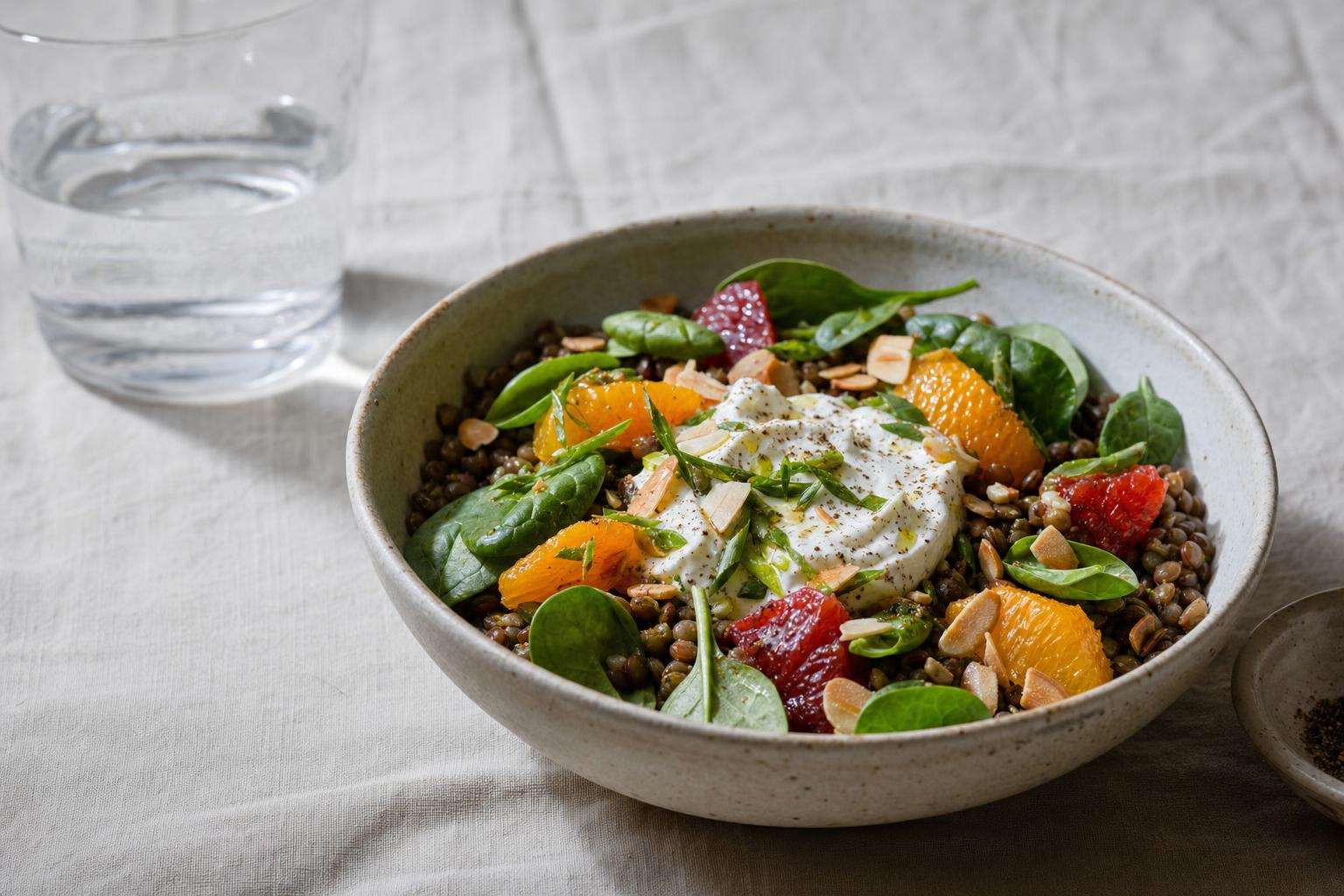
For women, seasonal eating should protect iron, energy availability, and produce access—not cycle-sync superstition. Frozen and fortified foods are valid tools; under-fueling is the real seasonal risk.
Women receive more food mysticism per square inch of wellness media than almost any other group. Seasonal calendars become medicalized; iron and energy do not.
This article is informational and editorial only. It is not medical advice, diagnosis, or a treatment plan. Numbers and literature ranges cited here are not personal prescriptions. Consult a qualified clinician before changing medications, supplements, diet, equipment, or management of a diagnosed condition. Seek urgent care for emergencies.
Which nutrients and risks deserve seasonal attention?
Iron and energy availability for menstruating and highly active women.
Vitamin D and outdoor time in dark winters—separate from food purity.
Folate adequacy for pregnancy planning year-round, not farm-season limited.
How can seasonal patterns support training without RED-S?
Match intake to training load; do not slash food because produce is “out of season.”
Use convenient proteins and frozen produce to keep volume high.
Watch menstrual changes, fatigue, and performance as red flags for low energy availability.
| Lever | Why | Season note |
|---|---|---|
| Iron-rich foods | Menstrual losses | Not salad-only winters |
| Energy availability | Bones/menses/performance | No aesthetic crash cuts |
| Produce access | Fiber/micronutrients | Frozen peak OK |
| Cycle-sync lists | Weak evidence | Symptom autoregulate only |
What marketing to ignore?
Moon-phase grocery lists sold as hormone optimization without trials.
Detox seasons and juice cleanses that drop protein and iron.
Local-only rules that reduce total food security.
What practical template works?
Protein each meal; iron sources most days; produce fresh or frozen daily.
Carbohydrate around hard sessions; enough total calories for cycle regularity.
Labs and clinicians when fatigue, heavy menses, or amenorrhea appear.
Sources: ACOG nutrition pregnancy context; IOC RED-S consensus context; NIH ODS iron fact sheet.
Readers should dual-source primary literature, translate slogans into exposure units and effect sizes, and rank interventions by expected value under uncertainty. Cheap reversible steps often outrank extreme protocols. Opportunity cost is real: hours spent on unvalidated tests are hours not spent on sleep, training, protein adequacy, and primary care. Sex, life stage, comorbidities, medications, and geography change interpretation. Prefer falsifiable claims with named endpoints over multi-disease cure lists. Update beliefs when stronger trials appear rather than freezing identity around a single paper or influencer narrative. Measured curiosity beats both panic and complacency. Further reading should prioritize primary sources and consensus documents over secondary social summaries. When evidence is mixed, state both the signal and the limits in the same paragraph. When evidence is strong, still avoid overclaiming universality across populations. Pattern quality, dose, and adherence dominate most household decisions more than brand seals.
Context, dose, endpoint, and population must travel together; slogans that drop any of those four are not finished claims. Household decisions should favor reversible experiments with measurable outcomes over identity diets or unvalidated testing cascades.
Context, dose, endpoint, and population must travel together; slogans that drop any of those four are not finished claims. Household decisions should favor reversible experiments with measurable outcomes over identity diets or unvalidated testing cascades.
Context, dose, endpoint, and population must travel together; slogans that drop any of those four are not finished claims. Household decisions should favor reversible experiments with measurable outcomes over identity diets or unvalidated testing cascades.
Context, dose, endpoint, and population must travel together; slogans that drop any of those four are not finished claims. Household decisions should favor reversible experiments with measurable outcomes over identity diets or unvalidated testing cascades.
Context, dose, endpoint, and population must travel together; slogans that drop any of those four are not finished claims. Household decisions should favor reversible experiments with measurable outcomes over identity diets or unvalidated testing cascades.
Context, dose, endpoint, and population must travel together; slogans that drop any of those four are not finished claims. Household decisions should favor reversible experiments with measurable outcomes over identity diets or unvalidated testing cascades.
Context, dose, endpoint, and population must travel together; slogans that drop any of those four are not finished claims. Household decisions should favor reversible experiments with measurable outcomes over identity diets or unvalidated testing cascades.
Context, dose, endpoint, and population must travel together; slogans that drop any of those four are not finished claims. Household decisions should favor reversible experiments with measurable outcomes over identity diets or unvalidated testing cascades.
Context, dose, endpoint, and population must travel together; slogans that drop any of those four are not finished claims. Household decisions should favor reversible experiments with measurable outcomes over identity diets or unvalidated testing cascades.
Context, dose, endpoint, and population must travel together; slogans that drop any of those four are not finished claims. Household decisions should favor reversible experiments with measurable outcomes over identity diets or unvalidated testing cascades.
Context, dose, endpoint, and population must travel together; slogans that drop any of those four are not finished claims. Household decisions should favor reversible experiments with measurable outcomes over identity diets or unvalidated testing cascades.
Context, dose, endpoint, and population must travel together; slogans that drop any of those four are not finished claims. Household decisions should favor reversible experiments with measurable outcomes over identity diets or unvalidated testing cascades.
Sources & citations
Frequently asked