Women's Health
Sex Differences in Vitamin D: Pregnancy, Body Composition, Behavior, and Bone
Sex patterns in 25(OH)D arise from adiposity, clothing, outdoor work, pregnancy demands, and postmenopausal bone risk—not mystical male/female UV chemistry. ES 2024 gives pregnancy empiric D suggestions.
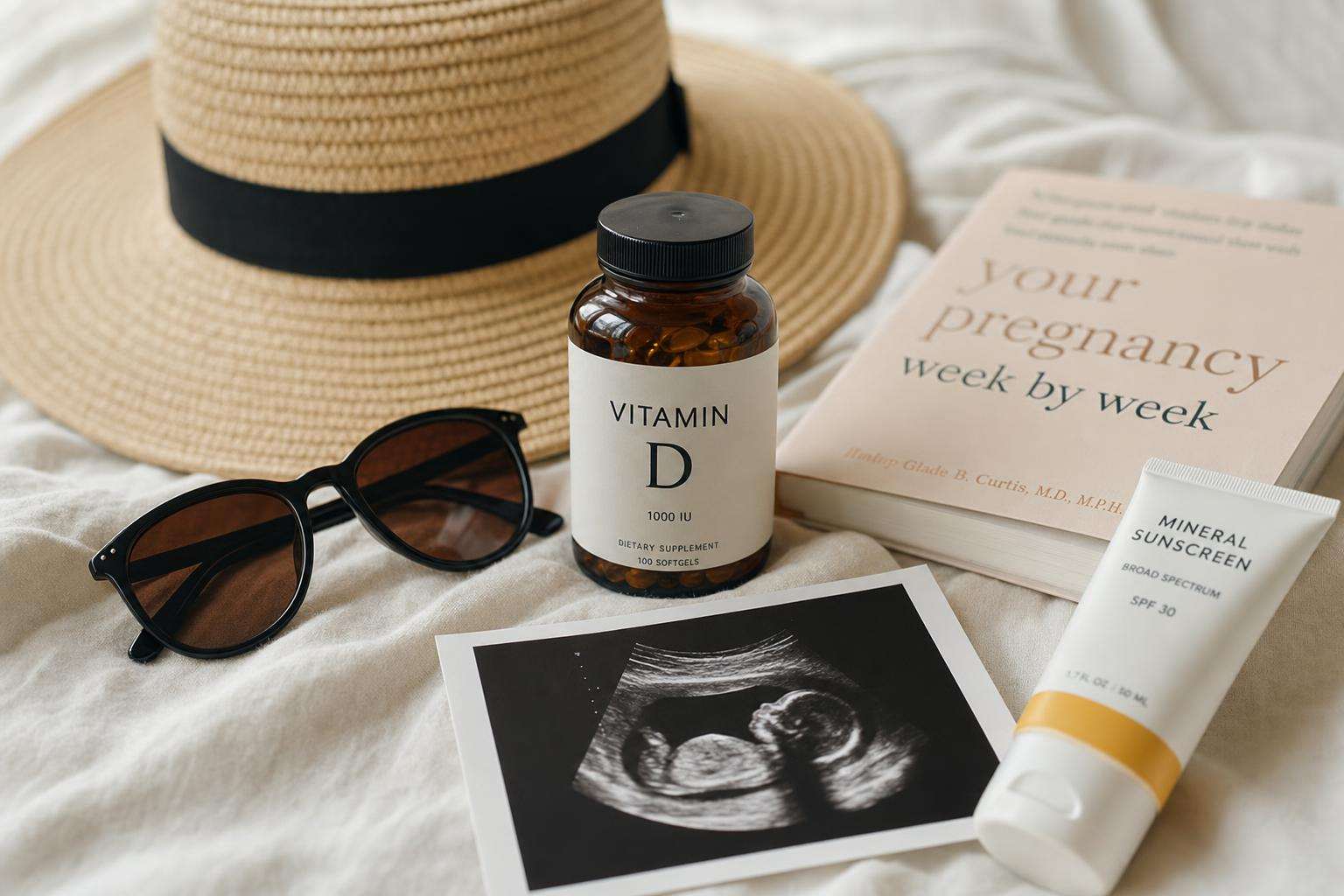
Sex differences in D status track pregnancy, adiposity, clothing, outdoor work, bone aging—not mystical UV sexes. ES 2024: empiric D in pregnancy; no routine screening in healthy adults by default.
Women’s health vitamin D content fails when it only shames sunscreen or only sells tanning. Pregnancy policy and bone aging are the high-value lanes.
This article is informational and editorial only. It is not medical advice, diagnosis, or a treatment plan. Numbers and literature ranges cited here are not personal prescriptions. Consult a qualified clinician before changing medications, supplements, diet, equipment, or management of a diagnosed condition. Seek urgent care for emergencies.
What pregnancy guidance matters most?
Empiric supplementation suggestions in ES 2024 for obstetric/neonatal outcome potentials.
Against routine screening in healthy pregnancy.
Photoprotection still applies—oral D covers endocrine targets without burns.
How do behavior and body composition split sexes?
Obesity lowers 25(OH)D; prevalence patterns differ by population.
Clothing coverage can be sex-patterned culturally—WHO flags full coverage as oral-D consideration.
Men’s outdoor jobs raise incidental UV dose and NMSC risk.
| Factor | Sex/life-stage note | Action |
|---|---|---|
| Pregnancy | ES empiric D suggest | Prenatal plan |
| Obesity | ↓ 25(OH)D | Lifestyle ± D; no auto-screen |
| Outdoor work | Male-skew UV | Protect + incidental D |
| Postmenopause | Fracture risk | Bone care package |
| Screening | Not routine healthy | Indication-driven |
What about male-specific association literature?
Observational links of D status to muscle/hypogonadism appear with limited causal grade.
Not an indication for tanning.
Standard endocrine evaluation for symptoms.
What shared adult rules remain?
Daily lower-dose preference when supplementing older adults; protect skin; daylight for circadian eyes.
Resistance training and protein for musculoskeletal aging outrank sun myths.
Update with clinician if malabsorption, CKD, or osteoporosis care requires labs.
Sources: ES 2024 vitamin D guideline; WHO UV fact sheet; Engelsen 2010 status & UV.
Readers should dual-source primary literature, translate slogans into exposure units and effect sizes, and rank interventions by expected value under uncertainty. Cheap reversible steps often outrank extreme protocols. Opportunity cost is real: hours spent on unvalidated tests are hours not spent on sleep, training, protein adequacy, and primary care. Sex, life stage, comorbidities, medications, and geography change interpretation. Prefer falsifiable claims with named endpoints over multi-disease cure lists. Update beliefs when stronger trials appear rather than freezing identity around a single paper or influencer narrative. Measured curiosity beats both panic and complacency. Further reading should prioritize primary sources and consensus documents over secondary social summaries. When evidence is mixed, state both the signal and the limits in the same paragraph. When evidence is strong, still avoid overclaiming universality across populations.
Context, dose, endpoint, and population must travel together; slogans that drop any of those four are not finished claims.
Context, dose, endpoint, and population must travel together; slogans that drop any of those four are not finished claims.
Context, dose, endpoint, and population must travel together; slogans that drop any of those four are not finished claims.
Context, dose, endpoint, and population must travel together; slogans that drop any of those four are not finished claims.
Context, dose, endpoint, and population must travel together; slogans that drop any of those four are not finished claims.
Context, dose, endpoint, and population must travel together; slogans that drop any of those four are not finished claims.
Context, dose, endpoint, and population must travel together; slogans that drop any of those four are not finished claims.
Context, dose, endpoint, and population must travel together; slogans that drop any of those four are not finished claims.
Context, dose, endpoint, and population must travel together; slogans that drop any of those four are not finished claims.
Context, dose, endpoint, and population must travel together; slogans that drop any of those four are not finished claims.
Context, dose, endpoint, and population must travel together; slogans that drop any of those four are not finished claims.
Context, dose, endpoint, and population must travel together; slogans that drop any of those four are not finished claims.
Context, dose, endpoint, and population must travel together; slogans that drop any of those four are not finished claims.
Context, dose, endpoint, and population must travel together; slogans that drop any of those four are not finished claims.
Context, dose, endpoint, and population must travel together; slogans that drop any of those four are not finished claims.
Context, dose, endpoint, and population must travel together; slogans that drop any of those four are not finished claims.
Context, dose, endpoint, and population must travel together; slogans that drop any of those four are not finished claims.
Context, dose, endpoint, and population must travel together; slogans that drop any of those four are not finished claims.
Context, dose, endpoint, and population must travel together; slogans that drop any of those four are not finished claims.
Context, dose, endpoint, and population must travel together; slogans that drop any of those four are not finished claims.
Context, dose, endpoint, and population must travel together; slogans that drop any of those four are not finished claims.
Context, dose, endpoint, and population must travel together; slogans that drop any of those four are not finished claims.
Context, dose, endpoint, and population must travel together; slogans that drop any of those four are not finished claims.
Sources & citations
Frequently asked