Women's Health
Pregnancy, Fetal, and Infant Drinking-Water Risks: What to Prioritize
Lead, nitrate, arsenic, microbes, and some PFAS concerns rise in pregnancy and infancy. Test, certify, and skip gadget maximalism without labs.
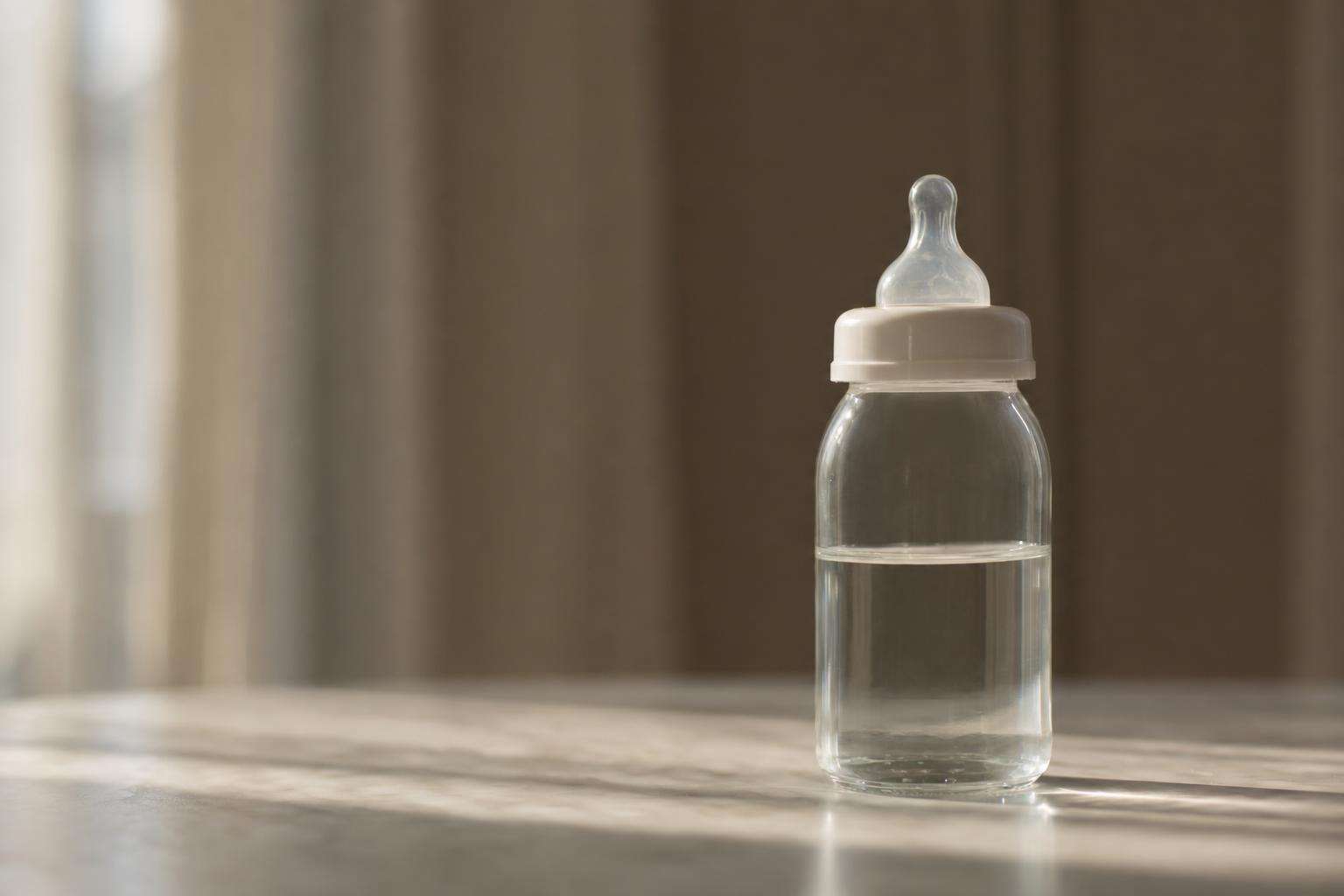
Pregnancy and infancy raise stakes for lead, nitrate, arsenic, microbes, and PFAS when present. Test first. Boiling fails nitrate. Certified POU beats untested gadget stacks.
This article is informational and editorial only. It is not medical advice, diagnosis, or a treatment plan. Numbers and literature ranges cited here are not personal prescriptions. Consult a qualified clinician before changing medications, supplements, diet, equipment, or management of a diagnosed condition. Seek urgent care for emergencies.
Which contaminants are timeline-critical?
EPA standards set enforceable frameworks for nitrate, arsenic, microbial rules, and lead control programs. Infant methemoglobinemia risk makes nitrate non-negotiable for wells. Lead neurodevelopment risk makes plumbing assessment essential in older housing. Arsenic geology clusters matter regionally. Microbial safety is always tier one.
| Contaminant | Why pregnancy/infant priority | Control notes |
|---|---|---|
| Microbes | Infection risk | Test wells; boil advisories; UV/disinfection |
| Nitrate | Infant methemoglobinemia | RO/anion exchange; boiling concentrates |
| Lead | Neurodevelopment | NSF 53/58; plumbing; flushing |
| Arsenic | Developmental and cancer risk bands | RO/adsorptive media with claims |
| PFAS | Persistence; evolving epi | GAC/IX/RO when detected |
How should formula and breastfeeding households think?
Breastfeeding decisions are clinical and personal; water quality still matters for maternal hydration and for any formula use. Infant feeding guidance hubs and local health departments should drive safe preparation rules during advisories. CDC well guidance explicitly flags pregnancy and infants as testing prompts.
What filtration mistakes hit new parents?
Pitcher filters without nitrate or lead claims, softening-only systems, and ignoring maintenance all fail. EPA PFAS treatment pages help when PFAS are the documented issue. Remineralization preferences are secondary to removing the actual hazard. Buy certifications matched to lab results, not to registry gifts.
What is the calm prenatal message?
Most municipal customers receive water meeting standards, but home plumbing and private wells create exceptions. Proportionate testing and certified fixes protect developmental windows without demanding zero-risk purity theater. Share results with obstetric and pediatric clinicians when values are high.
Readers should treat this explainer as a map of mechanisms, measurements, and decision rules rather than a personal protocol. Local water quality, travel history, diet pattern, pregnancy status, occupational exposures, and baseline medical conditions change priorities week to week. When evidence grades are mixed, prefer certified products, clinician-directed testing, and primary agency sources over social media absolute claims. Revisit guidance as analytics, regulations, and clinical guidelines update, because measurement science and public-health standards continue to evolve.
Practical exposure reduction and accurate terminology remain useful even when clinical dose-response curves are incomplete. Document your sources, test before you buy expensive gear, and keep food safety, infection control, and established medical care in the first tier of decisions. Secondary wellness products that promise detox, parasite purge, or total plastic elimination without diagnostic confirmation deserve skepticism proportional to their marketing intensity.
For households, the highest-yield pattern is usually measure what matters, match a certified or clinically indicated control to the finding, and avoid stacking redundant gadgets that address the wrong contaminant class. For travelers and people planning pregnancy, timeline-sensitive risks such as infection, lead, nitrate, and heat deserve earlier attention than low-probability exotic hazards. For readers following nutrition debates, distinguish food-matrix fats from repeatedly heated industrial oils and from biomarker studies that do not measure fryer oxidation.
Editorial standards on this site favor named organisms, named polymers, named filter certifications, and named study designs. Vague toxin language, unisex fertility scares without sex stratification, and silent unit conversions between mass and particle counts are treated as quality failures. Where human randomized evidence is thin, we say so and still offer proportionate precautions that do not require unproven supplements or extreme elimination diets.
If you use this article alongside related Health Canon explainers, cross-check category hubs for water filtration, environmental health, hormones, and sex-specific pages so multi-route problems are not solved with a single product. Share decision-relevant lab results with a qualified clinician when symptoms, pregnancy, immunosuppression, or occupational exposures raise the stakes beyond general consumer guidance.
Readers should treat this explainer as a map of mechanisms, measurements, and decision rules rather than a personal protocol. Local water quality, travel history, diet pattern, pregnancy status, occupational exposures, and baseline medical conditions change priorities week to week. When evidence grades are mixed, prefer certified products, clinician-directed testing, and primary agency sources over social media absolute claims. Revisit guidance as analytics, regulations, and clinical guidelines update, because measurement science and public-health standards continue to evolve.
Practical exposure reduction and accurate terminology remain useful even when clinical dose-response curves are incomplete. Document your sources, test before you buy expensive gear, and keep food safety, infection control, and established medical care in the first tier of decisions. Secondary wellness products that promise detox, parasite purge, or total plastic elimination without diagnostic confirmation deserve skepticism proportional to their marketing intensity.
For households, the highest-yield pattern is usually measure what matters, match a certified or clinically indicated control to the finding, and avoid stacking redundant gadgets that address the wrong contaminant class. For travelers and people planning pregnancy, timeline-sensitive risks such as infection, lead, nitrate, and heat deserve earlier attention than low-probability exotic hazards. For readers following nutrition debates, distinguish food-matrix fats from repeatedly heated industrial oils and from biomarker studies that do not measure fryer oxidation.
Sources & citations
Frequently asked