Women's Health
Hemochromatosis in Women: Menstrual Protection and Menopause Unmasking
Women inherit HFE risk equally but show lower clinical penetrance—until menses stop. Re-check iron status around menopause; never say women cannot get hemochromatosis.
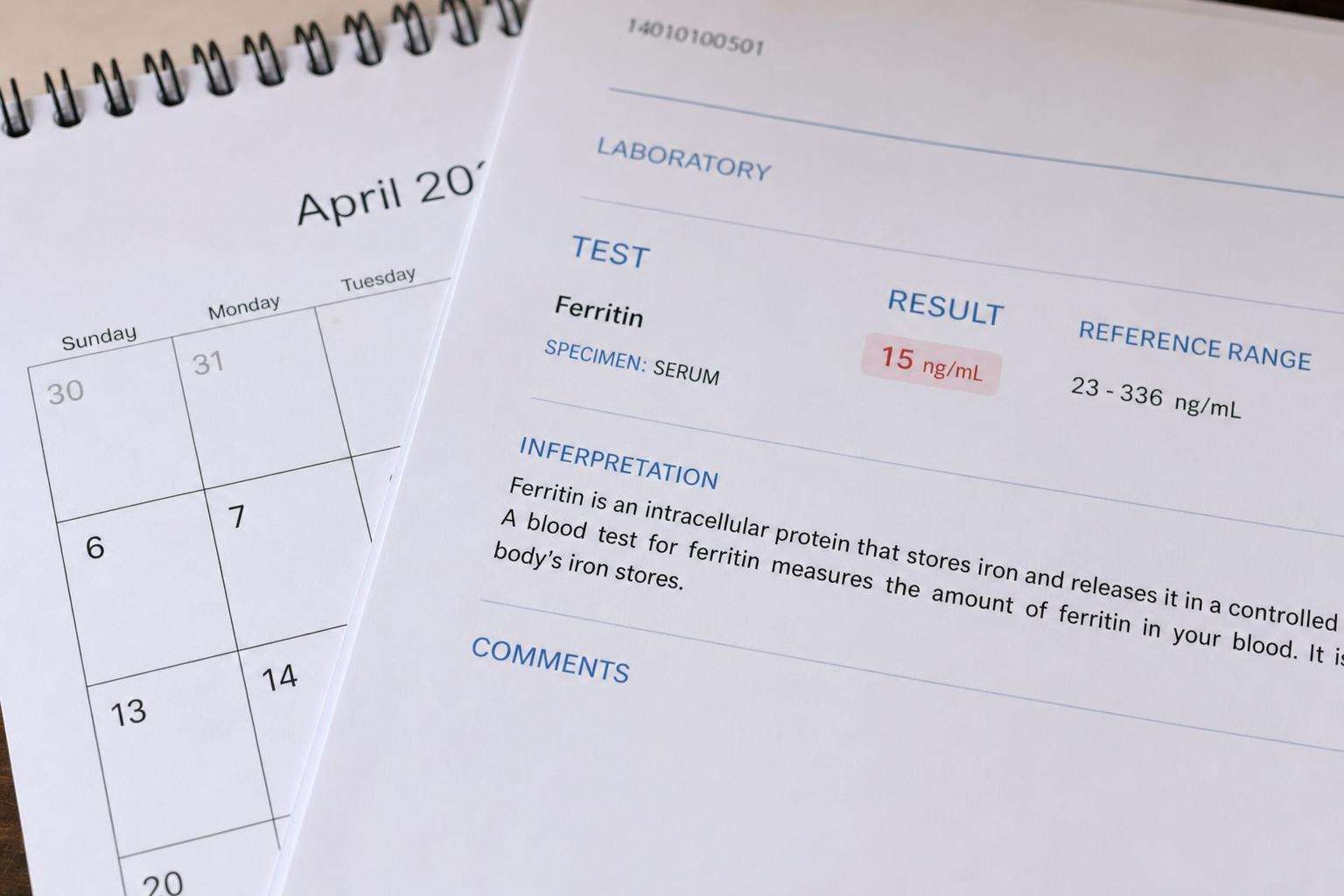
Women inherit HFE risk equally but show lower clinical penetrance from menstrual and pregnancy iron losses. Disease still occurs—especially after menopause. Use female ferritin thresholds (~200 vs ~300 ng/mL examples) and never skip screening sisters of known patients.
Menstrual protection is a delay mechanism, not a genetic free pass. Menopause is when that delay often ends and ferritin trajectories can change quickly.
This article is informational and editorial only. It is not medical advice, diagnosis, or a treatment plan. Numbers and literature ranges cited here are not personal prescriptions. Consult a qualified clinician before changing medications, supplements, diet, equipment, or management of a diagnosed condition. Seek urgent care for emergencies.
Why do women show lower clinical penetrance?
The protective hypothesis centers on menstrual blood loss and maternal iron losses during pregnancy. Classic clinical papers such as Moirand and colleagues described less frequent or less severe expression in women attributable to those losses. AASLD materials note that modern screening identifies women genetically as often as men, yet definite disease manifestations remain far less frequent—example figures near 1 percent versus 25–28 percent in men.
HEIRS: elevated ferritin in 57 percent of female versus 88 percent of male C282Y/C282Y participants. Cirrhosis in an asymptomatic series: 1.9 percent women versus 5.6 percent men. Historical symptom-driven diagnosis delayed women by about 10 years relative to men. The CDC still groups women as lower complication risk relative to men without saying women are safe from disease.
What is menopause unmasking?
When menses cease, the monthly iron sink stops. Ferritin trajectories can climb in genetically at-risk women who previously looked fine on sparse labs. Perimenopause is therefore a planned lab moment for known genotypes, family-risk women, and anyone with prior borderline iron studies. Hysterectomy ends menstrual protection even if ovaries remain—do not assume residual protection without menses.
Amenorrhea from advanced liver disease is not protective menses. If cycles stop because cirrhosis has arrived, the physiology is failure, not safety. Stage the liver; do not celebrate no periods so no iron problem as a false reassurance script.
| Metric | Women | Men (comparator) |
|---|---|---|
| HEIRS elevated ferritin (C282Y/C282Y) | 57% | 88% |
| Documented disease (Aust. cohort) | ~1% | 28% |
| Cirrhosis (one asymptomatic series) | 1.9% | 5.6% |
| Example treatment ferritin band | >200 ng/mL | >300 ng/mL |
How should female thresholds and pregnancy be handled?
Use female-specific ferritin upper limits in screening language. Example ACG-via-LFN treatment initiation: ferritin above 200 ng/mL in women with TSAT at or above 45 percent in C282Y/C282Y. HEIRS-style elevated ferritin definitions often use above 200 µg/L for women. If heavy menses or pregnancies delayed presentation, still stage the liver when ferritin is now high after the protective period ends.
Pregnancy needs coordinated care—not influencer advice to dump prenatal vitamins without labs, and not automatic high-dose iron when overload is documented. Avoid reflexive iron plus vitamin C stacks in women with elevated saturation and ferritin. Food-first nutrition differs from megadose supplements that accelerate mobilization risk during loading phases.
What anti-patterns harm women with HFE risk?
Women are protected so skip screening sisters. Using male-only penetrance numbers in women’s counseling. Assuming post-hysterectomy women retain menstrual protection. Blanket prenatal iron without knowing the iron panel in known hereditary hemochromatosis. Celebrating amenorrhea as metabolic success when energy deficit or disease is the real driver of missing cycles.
Codified rules: never tell women they cannot get hemochromatosis; re-check iron around menopause; use female-specific ferritin ULNs; stage the liver if ferritin is high after years of protective menses; avoid reflexive high-dose iron and vitamin C when iron studies already show overload risk. Primary data synthesis: AASLD 2011 sex and HEIRS sections.
Editorial note: ranges and protocol bands cited here are literature and guideline context for shared decision-making with clinicians—not self-directed treatment schedules, home lab targets, or substitute care for emergencies or progressive organ disease.
Editorial note: ranges and protocol bands cited here are literature and guideline context for shared decision-making with clinicians—not self-directed treatment schedules, home lab targets, or substitute care for emergencies or progressive organ disease.
Editorial note: ranges and protocol bands cited here are literature and guideline context for shared decision-making with clinicians—not self-directed treatment schedules, home lab targets, or substitute care for emergencies or progressive organ disease.
Editorial note: ranges and protocol bands cited here are literature and guideline context for shared decision-making with clinicians—not self-directed treatment schedules, home lab targets, or substitute care for emergencies or progressive organ disease.
Editorial note: ranges and protocol bands cited here are literature and guideline context for shared decision-making with clinicians—not self-directed treatment schedules, home lab targets, or substitute care for emergencies or progressive organ disease.
Editorial note: ranges and protocol bands cited here are literature and guideline context for shared decision-making with clinicians—not self-directed treatment schedules, home lab targets, or substitute care for emergencies or progressive organ disease.
Editorial note: ranges and protocol bands cited here are literature and guideline context for shared decision-making with clinicians—not self-directed treatment schedules, home lab targets, or substitute care for emergencies or progressive organ disease.
Sources & citations
Frequently asked