Evidence-dense health optimization

Health Canon

Women's Health

Strength Training Programs for Women, Compared (2026)

Evidence-aligned strength templates for women: full-body progressive overload, upper/lower splits, machines-first returns, RED-S guards—not pink dumbbell myths.
14 MIN READ 3 SOURCES
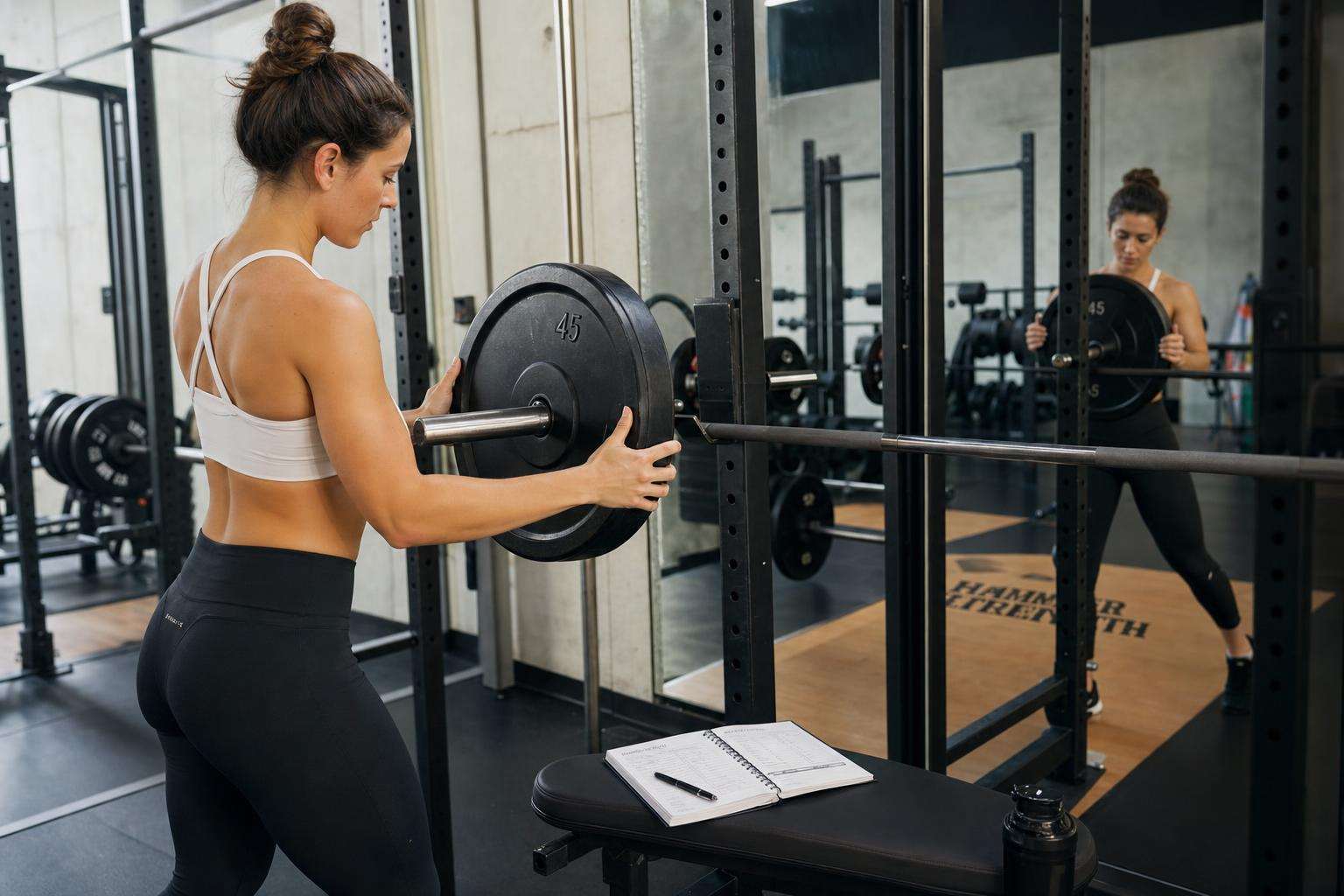
Women's Health Barbell and weight plates on a gym floor in soft light, no people
Illustration: Health Canon

women strengthprogressive overloadRED-Supper lowermachines

Bottom line

Progressive full-body and split templates with energy-availability guards—not underloading myths.

  • Full-body progressive overload 3 days/week — High frequency practice on major lifts with recoverable volume suits most intermediate beginners better than random pink circuits.
  • Two-day minimum effective dose template — Busy schedules still progress when two quality sessions hit squat/hinge/push/pull patterns weekly.
  • Machines-first progressive template — Stable paths let load climb while skill and tissue tolerance rebuild before free-bar complexity.

How we built this guide

We ranked women's strength program structures by progressive overload quality, recovery realism, energy-availability risk, and rejection of underloading myths—not gendered gimmicks.

  • Progressive stimulus. Ability to add load/reps over months.
  • Adherence. Session count and complexity realism.
  • Energy availability awareness. Whether the template invites underfueling.
  • Injury risk management. Skill and loading on-ramps.

Key takeaways

  1. Full-body progressive overload, three days a week
  2. The upper/lower four-day split
  3. A two-day minimum-effective-dose template
  4. A machines-first progressive template
  5. Loading emphasis for perimenopause and menopause
  6. RED-S and under-fueling guardrails for any template

Full-body progressive overload, three days a week

Same patterns, more practice, simpler logging

A three-day full-body program that hits squat or lunge, hinge, horizontal and vertical push and pull, plus trunk work, remains a gold-standard default for women who are not specialized powerlifters. Practice frequency on the big patterns drives skill and hypertrophy stimulus without needing six-day body-part splits. Ranked first because progressive logs on compound movements beat random boutique circuits that never track load. Use two to four hard sets per pattern in moderate rep ranges and add small load or reps weekly when form holds. Rest three minutes on heavy compounds. Menstrual cycle tracking can inform subjective readiness but does not require abandoning progressive overload for most eumenorrheic trainees. Fuel around sessions. This is not a pink dumbbell sentence; women adapt to heavy progressive training. Pair with walking for conditioning without turning every day into high-intensity chaos. Deload when sleep and performance tank. Track waist strength and energy, not only scale weight, especially if history includes restrictive dieting.

Who this is for: Most beginner-to-intermediate women seeking strength and muscle

Do

  • High skill practice frequency
  • Simple weekly structure
  • Strong hypertrophy and strength base
  • Easy to coach and self-log

Watch out

  • Can feel long if exercise lists balloon; not ideal for advanced specialization

The upper/lower four-day split

More volume room when recovery and time allow

Upper/lower splits four days per week allow higher regional volume once a trainee can recover and has base technique. Ranked high for intermediates who stall on three-day full-body volume. Keep progression simple: add load or reps on primary lifts first, accessories second. Women do not need special fairy sets; they need enough hard sets near failure across the week for target muscles. Watch total weekly time so life stress does not crush adherence. If energy availability is low from dieting plus cardio, four hard days can become a RED-S risk—fuel or reduce. Pelvic floor symptomatic athletes may need movement modifications and clinical pelvic health input rather than internet bans on all lifting. This split pairs well with two easy conditioning days. Avoid turning lower days into only abduction machines that ignore hinges and squats. Log and reassess every mesocycle. Ranked just behind full-body because more days raise adherence friction for busy caregivers even when the template is excellent on paper.

Who this is for: Intermediates with four trainable days and adequate nutrition

Do

  • Higher volume ceiling
  • Clear regional focus
  • Scales to intermediate trainees
  • Still pattern-based rather than random

Watch out

  • Four days challenges busy schedules; underfueling risk if stacked with excess cardio

A two-day minimum-effective-dose template

Busy weeks still deserve progressive compounds

Two well-designed full-body sessions per week can maintain and even build strength for many previously untrained or time-poor women when intensity and progression are real. Ranked as best value for adherence under caregiving and career load. Each session should still cover squat or split squat, hinge, push, pull, and carry or trunk. Density techniques like supersets of non-competing moves save time without turning training into cardio cosplay. Do not confuse minimum effective with maximally easy—leave reps in reserve thoughtfully but progress over months. If a third day appears, add it as optional rather than mandatory guilt. Pair with daily walking. This template is not forever maximal for advanced bodybuilding goals but beats the zero-day default. Watch for chronic underfueling disguised as wellness busyness. Pregnancy and early postpartum need individualized clinical guidance; general templates are not automatic clearances. Success is six months of logged progress, not a two-week challenge badge. Consistent practice over months matters more than a single perfect week of compliance theater.

Who this is for: Time-poor beginners and returners

Do

  • Highest adherence for busy lives
  • Still progressive if logged
  • Covers major patterns
  • Low scheduling friction

Watch out

  • Volume ceiling lower than 3–4 day plans for advanced hypertrophy goals

A machines-first progressive template

Stable paths rebuild capacity without ego bar chaos

Machine-based progressive programs let women add load safely while learning effort and recovery, especially after layoffs, joint irritation, or low confidence under free bars. Ranked high for return-to-train and high caution scenarios. Leg press, chest press, rows, lat pulldown, and hip hinge machine variations can deliver excellent hypertrophy when sets are hard and progressive. Transition to free weights when desired for skill and transfer, not because machines are lesser morality. Trainers who forever underload women on pastel dumbbells while men get barbells are failing coaching ethics. Track stack numbers like barbell plates. Include some free-pattern work for balance when ready. Pelvic floor and diastasis considerations still need clinical nuance—machines are not automatic absolution for all postpartum symptoms. This template reduces technique failure risk that stalls novices. Pair protein and sleep. Ranked mid because long-term athletes often want free-weight skill, not because machines fail to build muscle when progressive. Consistent practice over months matters more than a single perfect week of compliance theater.

Who this is for: Returners, joint-cautious trainees, and machine-accessible gyms

Do

  • Low skill barrier to hard sets
  • Joint-friendly progression paths
  • Excellent for confidence building
  • Objective load tracking on stacks

Watch out

  • Less sport transfer and stabilizer demand than free bars; gym dependent

Loading emphasis for perimenopause and menopause

Keep lifting through midlife—bone and muscle are not optional

Midlife women benefit from continued progressive resistance training for muscle, function, and bone stimulus within individual medical contexts. Ranked as a specialized priority template: do not drop heavy training because of age stereotypes. Power and balance work reduce fall risk themes important later. Hot flashes and sleep disruption may require autoregulation of intensity without abandoning the program identity. Discuss hormone therapy and bone density with clinicians; lifting complements rather than replaces medical care. Protein needs often deserve attention as anabolic resistance themes appear with age. Avoid extreme deficits that accelerate muscle loss. Impact and lifting choices with osteoporosis need clinician and qualified coach input. This is not a claim that lifting alone treats menopause. Ranked mid-list because it is a life-stage emphasis on the same progressive principles, not a wholly separate pink menopausal workout brand. Combine with walking and protein. Celebrate PRs that are slow and honest. Consistent practice over months matters more than a single perfect week of compliance theater.

Who this is for: Perimenopausal and postmenopausal women cleared for resistance training

Do

  • Counters underloading stereotypes in midlife
  • Supports muscle and bone goals
  • Autoregulation compatible
  • Pairs with medical bone care

Watch out

  • Medical complexity varies; osteoporosis needs individualized limits

RED-S and under-fueling guardrails for any template

The best program fails if energy availability collapses

Relative energy deficiency in sport and related underfueling syndromes impair bone, hormones, and performance; any women's strength program must include fueling and recovery rules. Ranked last as a cross-cutting guard, not a workout split: if menstrual function is lost, injuries cluster, and cold intolerance rises, the training plan is not automatically the hero. Raise energy intake, reduce excess cardio, and seek multidisciplinary care. Strength training itself is not the enemy—chronic low energy availability is. Coaches should not praise shrinking forever. Adolescents and collegiate athletes need special vigilance. This item is deliberately not a six-day shred. Pair every template above with enough carbohydrate and protein for the workload. Ignore influencers who market extreme deficits as empowerment. Clinical evaluation beats online symptom quizzes. Ranked as essential safety culture sitting under every program structure on this list. Consistent practice over months matters more than a single perfect week of compliance theater. Consistent practice over months matters more than a single perfect week of compliance theater.

Who this is for: Athletes and dieters stacking hard training with low intake

Do

  • Prevents silent program failure via underfueling
  • Protects bone and reproductive health themes
  • Applies to all templates
  • Encourages multidisciplinary care

Watch out

  • Not a standalone hypertrophy stimulus; requires honest intake tracking culture

Frequently asked

Will heavy lifting make women bulky by accident?

Meaningful hypertrophy requires progressive hard training, enough protein, and often a caloric surplus over long periods. Most women will not accidentally resemble competitive bodybuilders. Underloading from bulk fear is a bigger problem than accidental mass. Train hard, fuel well, and adjust volume if physique goals change with coaching support.

Should women train differently across the menstrual cycle?

Some athletes autoregulate based on how they feel; high-quality evidence does not demand complex cycle periodization for all. Keep progressive overload as the default. Severe pain or irregular cycles deserve medical evaluation. Do not use the cycle as a reason to forever avoid hard sets when you feel capable.

Is lifting safe postpartum?

Many women return to strength training, but timing and modifications depend on delivery, healing, pelvic floor status, and clinical guidance. This listicle is not a medical clearance. Seek qualified pelvic health and medical input when symptoms include leakage, heaviness, or pain. Progress gradually rather than racing to pre-pregnancy loads.

How much protein should women eat when lifting?

Common sports nutrition ranges often land around 1.6 to 2.2 grams per kilogram of body mass daily for hypertrophy goals, individualized for kidney disease and clinical contexts. Distribute protein across meals. Extreme restriction undermines results. Work with a dietitian if you have a complex medical history or disordered eating risk.

Do women need more machines and men more barbells?

No. Tool choice should match skill, access, and goals, not gender myths. Machines and free weights both build muscle when progressive. Coaches who underload women systematically are failing evidence and ethics. Pick the implement you will progress on for years. Clinical context and individual constraints always modify general ranks.