Evidence-dense health optimization

Health Canon

Women's Health

Habits That Build Bone Strength in Women (2026)

Progressive loading, protein, vitamin D and calcium context, fall prevention, and midlife screening—without wellness gimmicks.
14 MIN READ 3 SOURCES
Women's Health Barbell and weight plates on a gym floor near a water bottle, no people
Illustration: Health Canon

liftingproteinvitamin DfallsDXA

Bottom line

Lift progressively, fuel, screen smart—skip bone gimmicks.

  • Progressive multi-joint strength training most weeks of the year — Mechanical loading is a primary modifiable stimulus for bone and muscle that protects function.
  • Daily walk plus home hazard fix for fall reduction — Fractures often follow falls; cheap prevention stacks with training.
  • Supervised progressive lifting + discuss bone risk factors with clinician — Midlife is a high-leverage window for muscle and bone preservation.

How we built this guide

Ranked by effect on bone and fall outcomes, adherence for women across life stages, and evidence over wellness devices.

  • Dose / clinical impact. Likely effect on exposure or health decision quality.
  • Evidence base. Agency guidance, trials, or consensus statements.
  • Adherence cost. Money, time, and household friction.
  • Harm of misuse. Whether bad execution creates new risks.

Key takeaways

  1. Train progressive, multi-joint strength most weeks
  2. Fuel your training with adequate energy and protein
  3. Close vitamin D and calcium gaps when they exist
  4. Cut fall risk: balance, vision, home hazards, and med review
  5. Use DXA and risk tools when clinically indicated
  6. Add impact or plyometrics only when appropriate

Train progressive, multi-joint strength most weeks

Load the skeleton and muscle

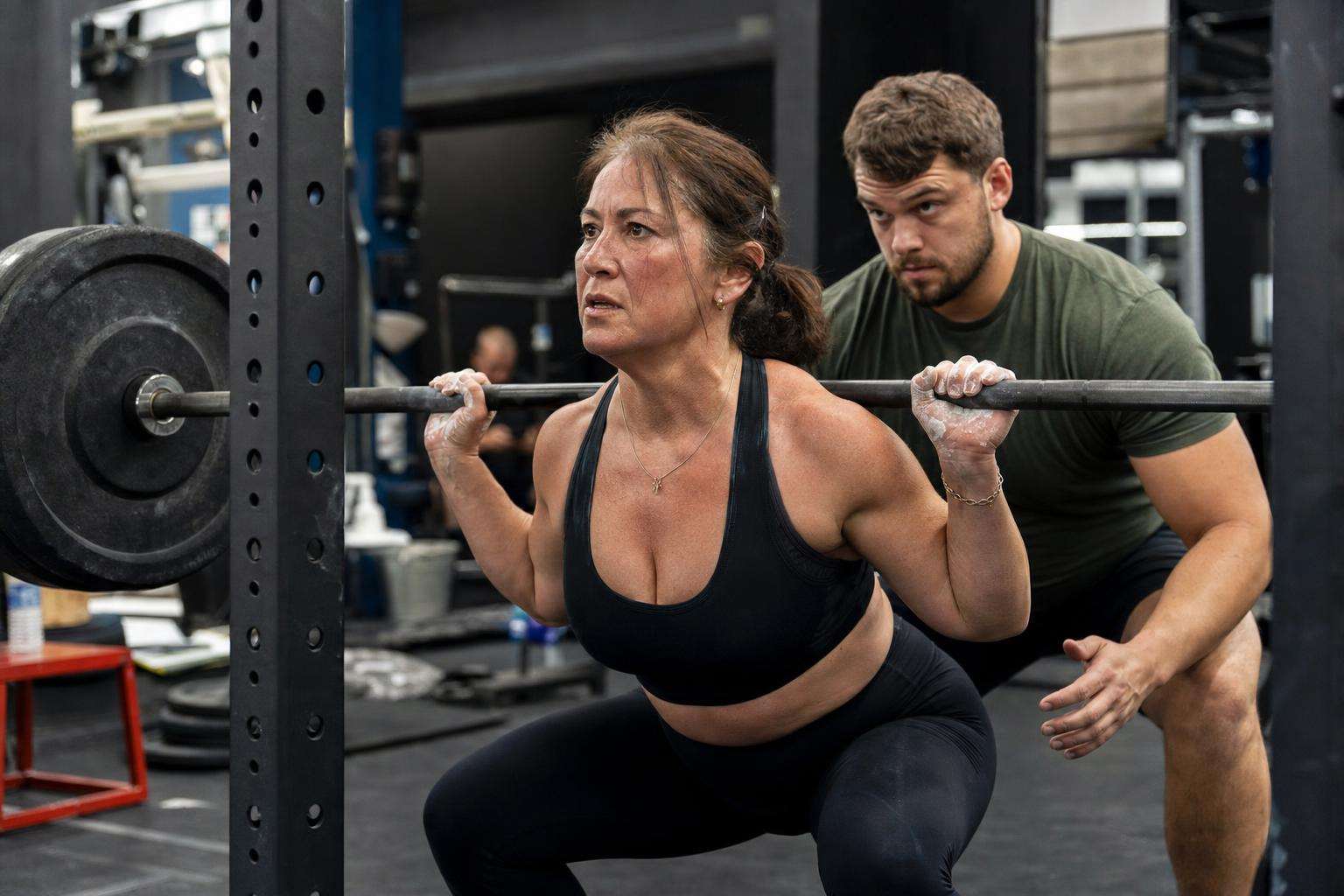
Progressive resistance training stimulates muscle and provides mechanical loading relevant to bone health across the female lifespan when programmed intelligently. Ranked best overall because underloading remains common and cultural myths still push women toward only cardio or pink dumbbells that never progress. Focus on squats, hinges, pushes, pulls, and carries with gradual overload, two to three sessions weekly for most, more if recovered. Postmenopausal women and those with low bone mass may need coaching and medical clearance for higher-impact elements. RED-S and low energy availability harm bone—pair training with fuel. See our women’s strength programs listicle for templates. Track lifts so progression is real. Machines are valid entry points. Consistency across years beats a six-week challenge. This habit is also cardiometabolic medicine, not only densitometry cosmetics. Document changes and reassess after several weeks so habits stick rather than cycling novelty. Coordinate with household members when shared products or schedules determine adherence. Prefer primary agency and clinical guidance over social-media summaries when stakes are high.

Who this is for: Most women without contraindications

Do

  • Primary modifiable loading stimulus
  • Builds muscle that prevents falls
  • Templates exist for beginners
  • Counters underloading culture

Watch out

  • Needs coaching/clearance when fracture risk is high

Fuel your training with adequate energy and protein

You cannot build bone on a deficit forever

Chronic low energy availability, disordered eating, and inadequate protein undermine bone and training adaptation. Ranked high because fitness culture still praises extreme leanness. Distribute protein across meals, include calcium-rich foods or alternatives, and treat amenorrhea as a medical signal, not a badge. Adolescents and young adults laying peak bone mass need especial protection from crash dieting. Midlife women in fat-loss phases should keep lifting and protein high and avoid endless aggressive deficits. Alcohol excess harms bone and fall risk. This nutrition frame beats collagen marketing as a first move. Coordinate with clinicians if malabsorption or vegan patterns need planning. Hydration matters for training quality that enables progressive loads. Document changes and reassess after several weeks so habits stick rather than cycling novelty. Coordinate with household members when shared products or schedules determine adherence. Prefer primary agency and clinical guidance over social-media summaries when stakes are high. Escalate to a qualified clinician when red-flag symptoms appear rather than indefinite self-experimentation.

Who this is for: Active women and anyone dieting hard

Do

  • Protects against RED-S pathways
  • Supports muscle and recovery
  • Food-first calcium pathways
  • Life-stage adaptable

Watch out

  • Individual needs vary; dietitians help complex cases

Close vitamin D and calcium gaps when they exist

Correct deficiency; skip megadose theater

Vitamin D deficiency and low calcium intake are addressable risk factors for bone health. Ranked mid-high: test and treat under clinician guidance rather than mega-dosing from influencers. Food sources and sensible supplementation differ by labs, season, latitude, and malabsorption. Excess vitamin A and unsupervised mega-D create their own risks. Calcium is best thought about as total daily intake from food plus supplements if needed—not a single tummy tablet magic bullet. Pair nutrients with training; pills do not replace loading. Medications that affect bone (glucocorticoids, some hormones) need medical bone plans beyond OTC bottles. Reassess after lifestyle changes rather than stacking forever. Document changes and reassess after several weeks so habits stick rather than cycling novelty. Coordinate with household members when shared products or schedules determine adherence. Prefer primary agency and clinical guidance over social-media summaries when stakes are high. Escalate to a qualified clinician when red-flag symptoms appear rather than indefinite self-experimentation. Spend first dollars and attention on the highest-yield steps; optional upgrades come later.

Who this is for: Women with limited sun, low dairy, or known deficiency risk

Do

  • Targets common deficiencies
  • Clinician-lab guided
  • Complements training
  • Avoids pure supplement fatalism

Watch out

  • Labs and supplements cost; over-supplementation possible

Cut fall risk: balance, vision, home hazards, and med review

Fracture often starts with a fall

Hip and other fragility fractures frequently follow falls. Ranked as best-value population habit: strength plus balance practice, home lighting and rug fixes, vision correction, and medication reviews for sedatives. Older women gain outsized benefit, but midlife athletes with poor sleep and alcohol still fall. Tai chi or simple single-leg balance progressions help. Pets and clutter are underrated hazards. Footwear matters on ice and stairs. This habit multiplies the value of any DXA score. Involve family in home safety for aging parents. Track near-falls as warnings. Combine with walking programs that do not replace lifting. Document changes and reassess after several weeks so habits stick rather than cycling novelty. Coordinate with household members when shared products or schedules determine adherence. Prefer primary agency and clinical guidance over social-media summaries when stakes are high. Escalate to a qualified clinician when red-flag symptoms appear rather than indefinite self-experimentation. Spend first dollars and attention on the highest-yield steps; optional upgrades come later.

Who this is for: Midlife and older women; anyone with prior falls

Do

  • Directly targets fracture pathway
  • Low cost home changes
  • Synergizes with strength training
  • Helps aging relatives too

Watch out

  • Cannot eliminate all accident risk

Use DXA and risk tools when clinically indicated

Screening is timed, not vanity annual for all

Bone density testing (DXA) and fracture-risk assessment tools are clinical instruments with age, risk-factor, and guideline-based indications—not monthly wellness spa add-ons. Ranked mid-pack because early densitometry without context can either scare or falsely reassure. Discuss family history of hip fracture, premature menopause, glucocorticoids, prior fractures, and malabsorption with a clinician. Treatment thresholds involve more than a T-score meme. If diagnosed with osteoporosis, medications may be appropriate—exercise remains complementary, not always sufficient alone. Bring strength logs to visits to show loading history. Avoid unvalidated ultrasound kiosks as sole decision tools. Re-test intervals are individualized. Document changes and reassess after several weeks so habits stick rather than cycling novelty. Coordinate with household members when shared products or schedules determine adherence. Prefer primary agency and clinical guidance over social-media summaries when stakes are high. Escalate to a qualified clinician when red-flag symptoms appear rather than indefinite self-experimentation. Spend first dollars and attention on the highest-yield steps; optional upgrades come later.

Who this is for: Women with risk factors or age-based indications

Do

  • Connects habits to medical pathways
  • Identifies high-risk women
  • Guides medication discussions
  • Prevents DIY over-testing

Watch out

  • Access and insurance variability

Add impact or plyometrics only when appropriate

Useful stimulus—not for every spine

Jumping and impact can stimulate bone in appropriate candidates but can harm those with established vertebral osteoporosis, stress fractures, or poor landing mechanics. Ranked last as a conditional upgrade after foundational lifting and medical context. Start with low amplitude, coaching, and pain-free progressions. Walking poles, hiking, and stair work offer intermediate options. Avoid copy-pasting volleyball plyometrics into a newly diagnosed high-risk patient from TikTok. Pregnancy and early postpartum need separate guidance. If impact is contraindicated, heavy-ish controlled strength work and fall prevention still matter. Reassess after bone therapy begins. This nuance prevents both fear of all impact and reckless bouncing. Document changes and reassess after several weeks so habits stick rather than cycling novelty. Coordinate with household members when shared products or schedules determine adherence. Prefer primary agency and clinical guidance over social-media summaries when stakes are high. Escalate to a qualified clinician when red-flag symptoms appear rather than indefinite self-experimentation. Spend first dollars and attention on the highest-yield steps; optional upgrades come later.

Who this is for: Cleared pre/postmenopausal athletes

Do

  • Adds stimulus when safe
  • Forces medical individualization
  • Encourages coaching
  • Prevents social-media misuse

Watch out

  • Requires judgment and sometimes imaging history

Frequently asked

Will walking alone protect my bones?

Walking is excellent for health and helps fall-related fitness, but progressive resistance training better targets muscle and loading for many bone sites. Combine walking with lifting rather than choosing only steps. Confirm details with a qualified clinician or primary guidance document when your situation is high-stakes.

When should women get a DXA scan?

Indications depend on age, fracture history, medications, premature menopause, and other risk factors. Discuss with a clinician rather than buying unvalidated kiosk tests. Guidelines evolve—use current clinical advice. Confirm details with a qualified clinician or primary guidance document when your situation is high-stakes.

Are compression fractures a reason to stop all exercise?

Not automatically, but programs must be modified. Medical evaluation and often supervised physical therapy guide safe loading. Avoid copied high-impact online workouts until cleared. Confirm details with a qualified clinician or primary guidance document when your situation is high-stakes. Confirm details with a qualified clinician or primary guidance document when your situation is high-stakes.

Do calcium supplements always help?

Total calcium intake matters; food-first is preferred when possible. Supplements help close gaps but are not a substitute for training and fall prevention. Excess without need is not better—coordinate with a clinician. Confirm details with a qualified clinician or primary guidance document when your situation is high-stakes.

Is strength training safe after menopause?

Yes for most women with appropriate progression and technique. It is one of the highest-value habits for muscle, function, and bone support. Seek coaching if new to lifting or if you have medical bone disease. Confirm details with a qualified clinician or primary guidance document when your situation is high-stakes.