Women's Health
Returning to Strength Training After Birth (2026)
Clearance, breathing and core rebuild, progressive load, pelvic symptoms triage—no six-week transformation myths.
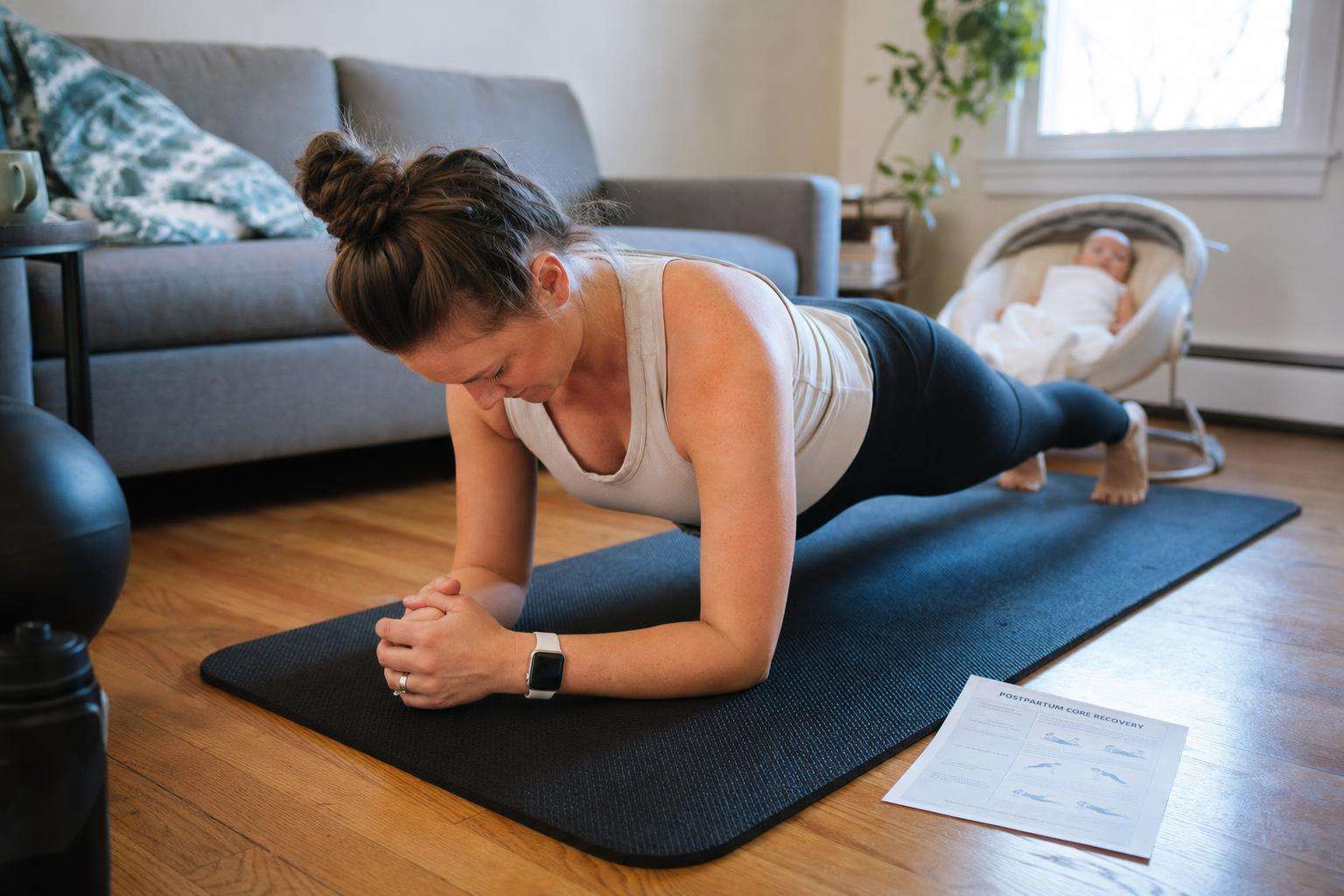
postpartum liftpelvic floorprogressive loadclearancecore rebuild
Bottom line
Clearance, core rebuild, progressive load, symptom triage—no bounce-back myths.
- Medical clearance plus symptom-led progression — Delivery type and complications change timelines more than influencer calendars.
- Daily walking and breathing/core basics before heavy barbell ego — Low equipment, rebuilds capacity, supports mood and circulation early when cleared.
- Pelvic-health PT pathway before max attempts — Loading on unmanaged pelvic symptoms can worsen function; skilled rehab is high yield.
How we built this guide
Ranked by safety, obstetric alignment, progressive overload principles, and harm of bounce-back culture.
- Human evidence strength. Trials, cohorts, guidelines weighted over anecdotes.
- Dose clarity. Whether frequency, intensity, and duration are actionable.
- Safety gates. Contraindications and misuse risks.
- Opportunity cost. Whether the modality displaces higher-yield habits.
Key takeaways
- Get individualized clearance and know your delivery-specific limits
- Rebuild with walking, breathing mechanics, and gentle core work
- Add resistance training in small jumps with honest recovery
- Triage pelvic symptoms early: don't push through heaviness or leaking
- Fuel for lactation and training, and protect sleep debt
- Ignore six-week transformation marketing and comparison traps
Get individualized clearance and know your delivery-specific limits
C-section and complications are not footnotes
Who this is for: All postpartum people before structured strength progressions
Do
- Aligns with obstetric standards of care
- Accounts for delivery mode and complications
- Opens PT referral pathways early
- Reduces comparison-driven reinjury
Watch out
- Access and visit timing vary; some symptoms appear after clearance
Rebuild with walking, breathing mechanics, and gentle core work
Capacity before intensity
Who this is for: Early postpartum when cleared for light activity
Do
- Low equipment and high accessibility
- Supports circulation and mood
- Teaches pressure management skills
- Scales to later strength work
Watch out
- Easy to undervalue culturally; weather and childcare logistics interfere
Add resistance training in small jumps with honest recovery
Add load slower than your ego wants
Who this is for: Cleared postpartum lifters rebuilding structured strength
Do
- Rebuilds strength and bone-relevant loading
- Uses progressive overload correctly
- Compatible with machine-first confidence rebuilding
- Teaches sustainable self-coaching metrics
Watch out
- Childcare and sleep limit consistency; comparison culture pushes too fast
Triage pelvic symptoms early: don't push through heaviness or leaking
PT is performance care, not shame care
Who this is for: Anyone with leaking, heaviness, pain, or pressure symptoms
Do
- Prevents worsening of pelvic disorders
- Enables safer return to impact later
- Normalizes high-yield rehab
- Individualizes loading better than generic plans
Watch out
- Access to pelvic PT varies by region and insurance
Fuel for lactation and training, and protect sleep debt
Energy availability is a training input
Who this is for: Lactating and sleep-deprived postpartum trainees
Do
- Protects recovery and milk-supply-aware energy needs
- Reduces injury from under-recovered loading
- Integrates real household constraints
- Counters toxic bounce-back diet culture
Watch out
- Sleep is partially uncontrollable with infants; requires flexible standards
Ignore six-week transformation marketing and comparison traps
Timelines are distributions, not moral scores
Who this is for: All postpartum people in comparison-heavy environments
Do
- Reduces harmful under-fueling and overreaching
- Improves mental health context for training
- Supports long-horizon athletic identity
- Makes PT and clearance steps socially easier
Watch out
- Requires active media curation; social pressure persists offline
Frequently asked
When can I start lifting after birth?
It depends on delivery type, complications, bleeding, pain, and clinician clearance. Many people begin with walking and gentle core work first, then progressive resistance. Cesarean and severe tears often need more gradual timelines. Ask explicit questions at postpartum visits rather than copying a generic six-week internet plan.
Is leaking during workouts normal forever?
Common is not the same as something you must accept lifelong. Leaking with load deserves pelvic-health evaluation. Many people improve with skilled rehab and graded exposure. Do not keep adding impact or max lifts on unmanaged symptoms hoping they vanish. Confirm details with a qualified clinician or primary guidance document when your situation is high-stakes.
Can I diet hard to lose baby weight while training?
Aggressive deficits while lactating and sleep-deprived raise risks for low energy availability, mood issues, and poor recovery. Prioritize nutrient-dense adequacy and gradual body-composition goals with clinician guidance. Strength and function metrics are better early targets than extreme cutting. Confirm details with a qualified clinician or primary guidance document when your situation is high-stakes.
Do I need a pelvic floor physical therapist?
If you have leaking, heaviness, pain, or pressure—or you are returning to high impact—pelvic PT is often high yield. Even without dramatic symptoms, a check can refine return-to-run or return-to-lift plans. Access varies; ask your OB/GYN for referrals. Confirm details with a qualified clinician or primary guidance document when your situation is high-stakes.
How fast should weights increase?
Slower than pre-pregnancy ego suggests. Use small jumps, stop for pelvic or wound symptoms, and deload automatically after brutal sleep nights. Long-term progress across months beats a two-week spike that causes setbacks. Track sessions and symptoms in writing. Confirm details with a qualified clinician or primary guidance document when your situation is high-stakes.