Nutrition
Fresh vs Oxidized Seed Oils: Why Heating and Reuse Change the Health Question
Fresh culinary oils ≠ multi-day industrial fryer oil. Oxidation products—aldehydes, polar compounds—track abuse more than the mere presence of linoleic acid.
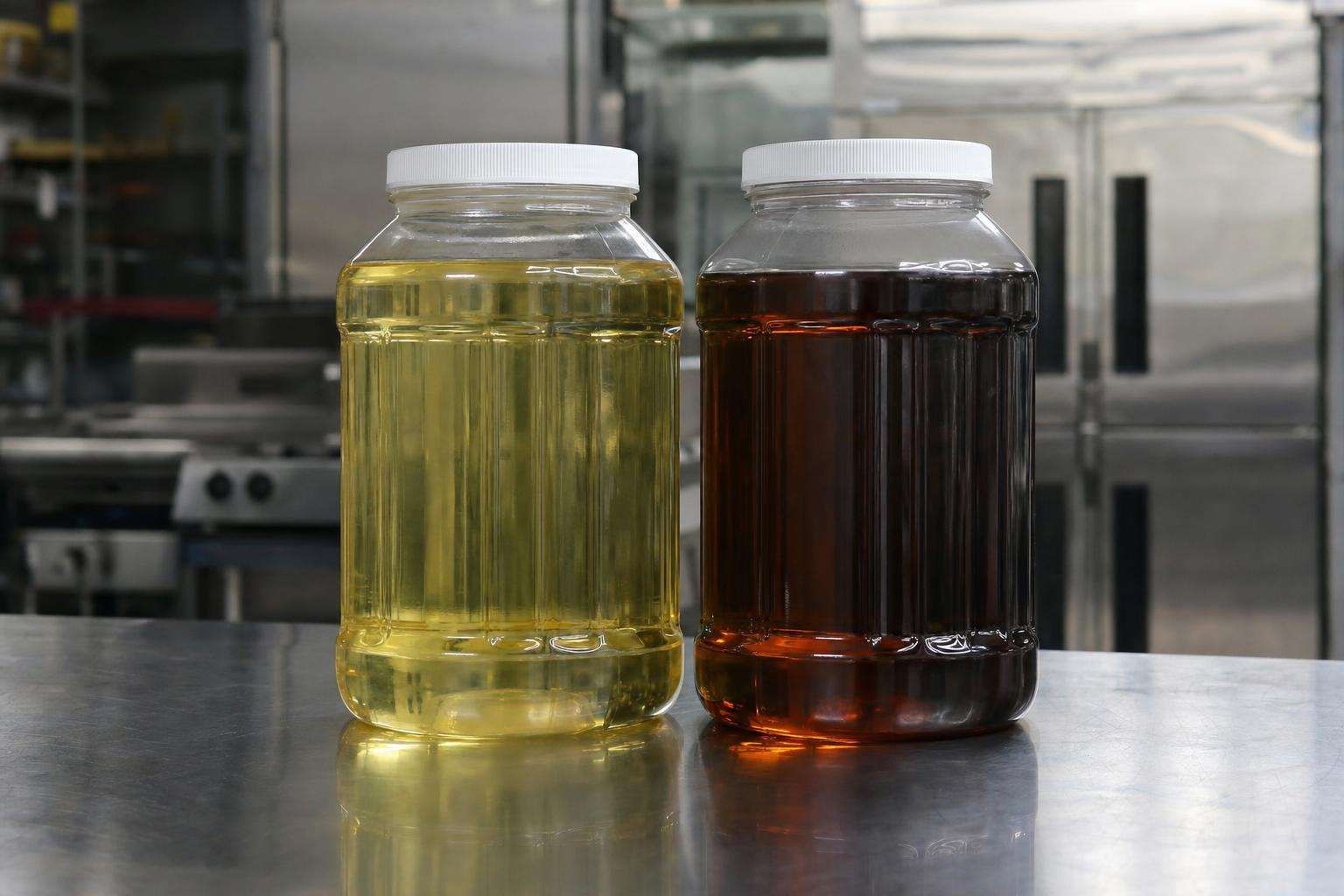
Fresh ≠ oxidized. Reused fryer oils accumulate polar compounds and aldehydes. Kitchen rules (no endless reuse, don’t smoke the oil, store sealed) outrank tribal oil bans for most households.
If your seed-oil take does not distinguish a fresh sauté from a week-old industrial fryer, it is not a take—it is a vibe.
This article is informational and editorial only. It is not medical advice, diagnosis, or a treatment plan. Numbers and literature ranges cited here are not personal prescriptions. Consult a qualified clinician before changing medications, supplements, diet, equipment, or management of a diagnosed condition. Seek urgent care for emergencies.
What chemical changes mark oil abuse?
Rise in total polar materials; volatile aldehydes; polymerized triglycerides; sensory rancidity and darkening.
Food moisture and crumbs accelerate breakdown.
Regulators and industry use polar compound cutoffs in commercial fryers in many regions.
How should consumers operationalize freshness?
Buy sizes you finish; date bottles; refrigerate delicate oils if appropriate; smell before use.
Stop heating at persistent smoke.
Limit deep-frying frequency as a pattern lever.
| State | Markers | Kitchen action |
|---|---|---|
| Fresh oil | Low polars, clean aroma | Normal culinary use |
| Overheated | Smoke, off odors | Lower heat / stop |
| Reused fryer | High polars, dark | Discard / reduce |
| Rancid stored | Paint-like smell | Throw out |
| High-oleic fry | Better stability | Prefer for deep fry |
Where do seed-oil critics get this right?
Industrial frying culture and UPF delivery systems.
High-heat abuse of high-PUFA oils without high-oleic alternatives.
Ignoring oxidation while debating essentiality alone is incomplete—so is ignoring essentiality while debating oxidation alone.
What about refining contaminants vs oxidation?
3-MCPD/GE form mainly in high-temp refining—separate from pan oxidation.
Both can coexist in a product lifecycle; mitigate differently (process controls vs kitchen practice).
Cold-pressed paths trade one risk profile for another.
Sources: FDA 3-MCPD and GE process contaminants; Cochrane omega-6 context; AHA dietary fats advisory.
Readers should dual-source primary literature, translate slogans into exposure units and effect sizes, and rank interventions by expected value under uncertainty. Cheap reversible steps often outrank extreme protocols. Opportunity cost is real: hours spent on unvalidated tests are hours not spent on sleep, training, protein adequacy, and primary care. Sex, life stage, comorbidities, medications, and geography change interpretation. Prefer falsifiable claims with named endpoints over multi-disease cure lists. Update beliefs when stronger trials appear rather than freezing identity around a single paper or influencer narrative. Measured curiosity beats both panic and complacency. Further reading should prioritize primary sources and consensus documents over secondary social summaries. When evidence is mixed, state both the signal and the limits in the same paragraph. When evidence is strong, still avoid overclaiming universality across populations.
Context, dose, endpoint, and population must travel together; slogans that drop any of those four are not finished claims.
Context, dose, endpoint, and population must travel together; slogans that drop any of those four are not finished claims.
Context, dose, endpoint, and population must travel together; slogans that drop any of those four are not finished claims.
Context, dose, endpoint, and population must travel together; slogans that drop any of those four are not finished claims.
Context, dose, endpoint, and population must travel together; slogans that drop any of those four are not finished claims.
Context, dose, endpoint, and population must travel together; slogans that drop any of those four are not finished claims.
Context, dose, endpoint, and population must travel together; slogans that drop any of those four are not finished claims.
Context, dose, endpoint, and population must travel together; slogans that drop any of those four are not finished claims.
Context, dose, endpoint, and population must travel together; slogans that drop any of those four are not finished claims.
Context, dose, endpoint, and population must travel together; slogans that drop any of those four are not finished claims.
Context, dose, endpoint, and population must travel together; slogans that drop any of those four are not finished claims.
Context, dose, endpoint, and population must travel together; slogans that drop any of those four are not finished claims.
Context, dose, endpoint, and population must travel together; slogans that drop any of those four are not finished claims.
Context, dose, endpoint, and population must travel together; slogans that drop any of those four are not finished claims.
Context, dose, endpoint, and population must travel together; slogans that drop any of those four are not finished claims.
Context, dose, endpoint, and population must travel together; slogans that drop any of those four are not finished claims.
Context, dose, endpoint, and population must travel together; slogans that drop any of those four are not finished claims.
Context, dose, endpoint, and population must travel together; slogans that drop any of those four are not finished claims.
Context, dose, endpoint, and population must travel together; slogans that drop any of those four are not finished claims.
Context, dose, endpoint, and population must travel together; slogans that drop any of those four are not finished claims.
Context, dose, endpoint, and population must travel together; slogans that drop any of those four are not finished claims.
Context, dose, endpoint, and population must travel together; slogans that drop any of those four are not finished claims.
Context, dose, endpoint, and population must travel together; slogans that drop any of those four are not finished claims.
Sources & citations
Frequently asked