Nutrition
Seed Oils Beyond Inflammation: Endocannabinoid, Membrane, and Other LA Mechanisms
Linoleic acid feeds membrane phospholipids, oxidized linoleic acid metabolites (OXLAMs), and endocannabinoid-related pathways—mechanisms that generate hypotheses, not automatic disease verdicts at culinary doses.
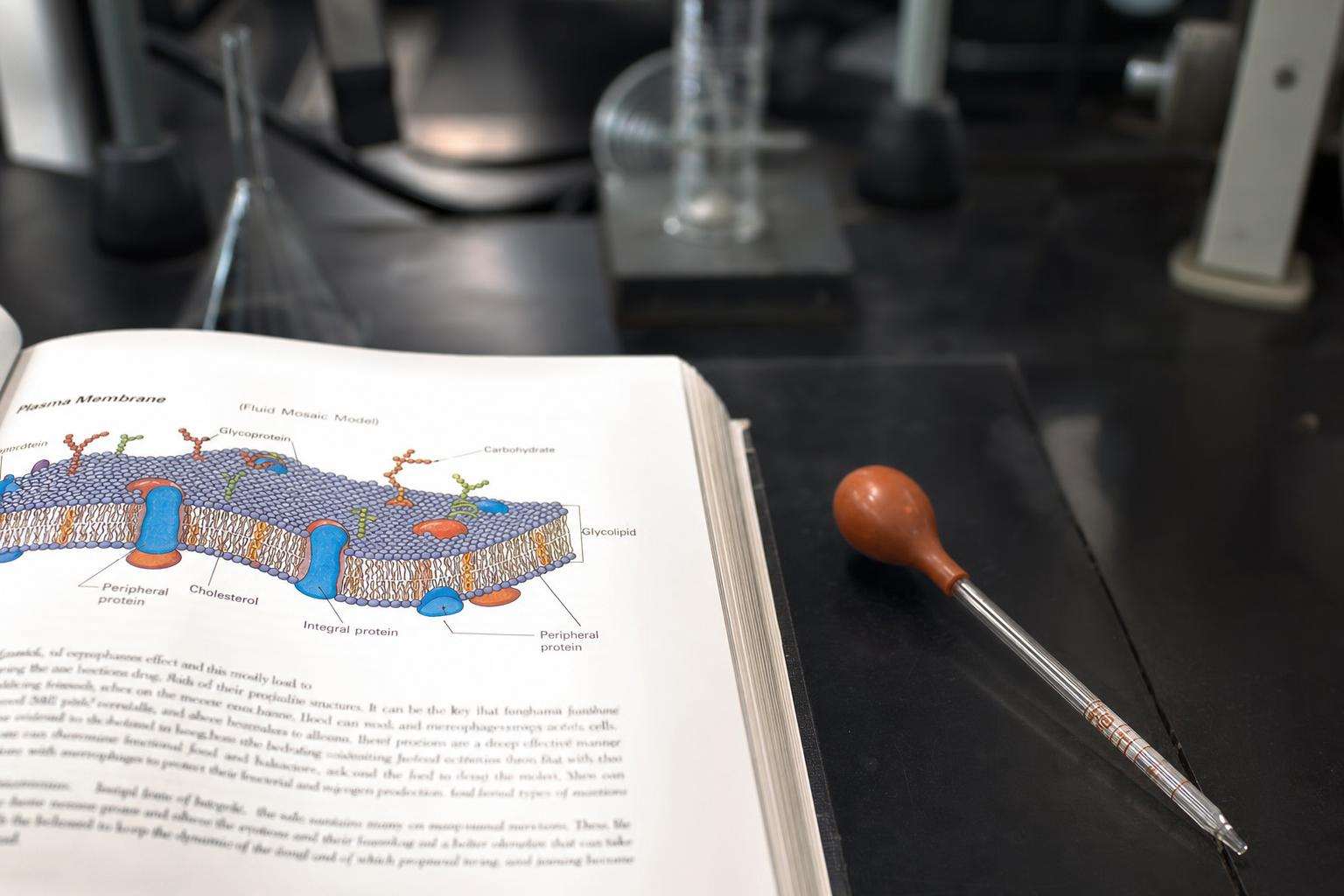
LA mechanisms: membrane remodeling, OXLAMs, endocannabinoid-adjacent lipid networks. Hypothesis generators—not automatic verdicts against meeting essentiality or guideline-range culinary use.
Mechanism pages are where seed-oil discourse either becomes scientifically adult or slides into biochemical fear theater. Dose bridges decide.
This article is informational and editorial only. It is not medical advice, diagnosis, or a treatment plan. Numbers and literature ranges cited here are not personal prescriptions. Consult a qualified clinician before changing medications, supplements, diet, equipment, or management of a diagnosed condition. Seek urgent care for emergencies.
Which mechanism classes appear in the literature?
Phospholipid fatty-acid composition changes.
Enzymatic and non-enzymatic oxidized LA products.
Eicosanoid/endocannabinoid network interactions downstream of n-6 PUFA pools.
What do human biomarker studies constrain?
Many modern panels do not show simple pro-inflammatory signatures from higher LA status.
Context of n-3 status, obesity, and overall diet quality confounds single-lipid blame.
Mechanisms must survive population data, not override them.
| Mechanism | Research role | Policy weight alone |
|---|---|---|
| Membrane PUFA | Established biochemistry | Low without outcomes |
| OXLAMs | Active research | Hypothesis |
| Endocannabinoid links | Complex | Do not sloganize |
| Human biomarkers | Constraint | Higher weight |
| Hard outcomes | Highest | Guidelines/RCTs |
Where do rodent high-oil models mislead?
Extreme energy from single oils, genetic backgrounds, and short lifespans differ from human mixed diets.
Useful for pathway discovery; poor as direct culinary policy.
Always ask dose in % energy and oxidation state.
What practical translation is sober?
Avoid chronically reheated fryer oils.
Meet n-3 needs; do not fetishize zero LA.
Prefer outcome-backed patterns (e.g., Mediterranean-class) over metabolite mysticism.
Sources: Omega-6 biomarker inflammation study context; AHA fats advisory; Cochrane omega-6.
Readers should dual-source primary literature, translate slogans into exposure units and effect sizes, and rank interventions by expected value under uncertainty. Cheap reversible steps often outrank extreme protocols. Opportunity cost is real: hours spent on unvalidated tests are hours not spent on sleep, training, protein adequacy, and primary care. Sex, life stage, comorbidities, medications, and geography change interpretation. Prefer falsifiable claims with named endpoints over multi-disease cure lists. Update beliefs when stronger trials appear rather than freezing identity around a single paper or influencer narrative. Measured curiosity beats both panic and complacency. Further reading should prioritize primary sources and consensus documents over secondary social summaries. When evidence is mixed, state both the signal and the limits in the same paragraph. When evidence is strong, still avoid overclaiming universality across populations.
Context, dose, endpoint, and population must travel together; slogans that drop any of those four are not finished claims.
Context, dose, endpoint, and population must travel together; slogans that drop any of those four are not finished claims.
Context, dose, endpoint, and population must travel together; slogans that drop any of those four are not finished claims.
Context, dose, endpoint, and population must travel together; slogans that drop any of those four are not finished claims.
Context, dose, endpoint, and population must travel together; slogans that drop any of those four are not finished claims.
Context, dose, endpoint, and population must travel together; slogans that drop any of those four are not finished claims.
Context, dose, endpoint, and population must travel together; slogans that drop any of those four are not finished claims.
Context, dose, endpoint, and population must travel together; slogans that drop any of those four are not finished claims.
Context, dose, endpoint, and population must travel together; slogans that drop any of those four are not finished claims.
Context, dose, endpoint, and population must travel together; slogans that drop any of those four are not finished claims.
Context, dose, endpoint, and population must travel together; slogans that drop any of those four are not finished claims.
Context, dose, endpoint, and population must travel together; slogans that drop any of those four are not finished claims.
Context, dose, endpoint, and population must travel together; slogans that drop any of those four are not finished claims.
Context, dose, endpoint, and population must travel together; slogans that drop any of those four are not finished claims.
Context, dose, endpoint, and population must travel together; slogans that drop any of those four are not finished claims.
Context, dose, endpoint, and population must travel together; slogans that drop any of those four are not finished claims.
Context, dose, endpoint, and population must travel together; slogans that drop any of those four are not finished claims.
Context, dose, endpoint, and population must travel together; slogans that drop any of those four are not finished claims.
Context, dose, endpoint, and population must travel together; slogans that drop any of those four are not finished claims.
Context, dose, endpoint, and population must travel together; slogans that drop any of those four are not finished claims.
Context, dose, endpoint, and population must travel together; slogans that drop any of those four are not finished claims.
Context, dose, endpoint, and population must travel together; slogans that drop any of those four are not finished claims.
Context, dose, endpoint, and population must travel together; slogans that drop any of those four are not finished claims.
Context, dose, endpoint, and population must travel together; slogans that drop any of those four are not finished claims.
Context, dose, endpoint, and population must travel together; slogans that drop any of those four are not finished claims.
Sources & citations
Frequently asked