Nutrition
Smoke Points vs Oxidative Stability: Choosing Oils for Heat
Smoke point is a weak health ranking tool. Oxidative stability, unsaturation, antioxidants, and duty cycle better predict frying performance—high-oleic often wins.
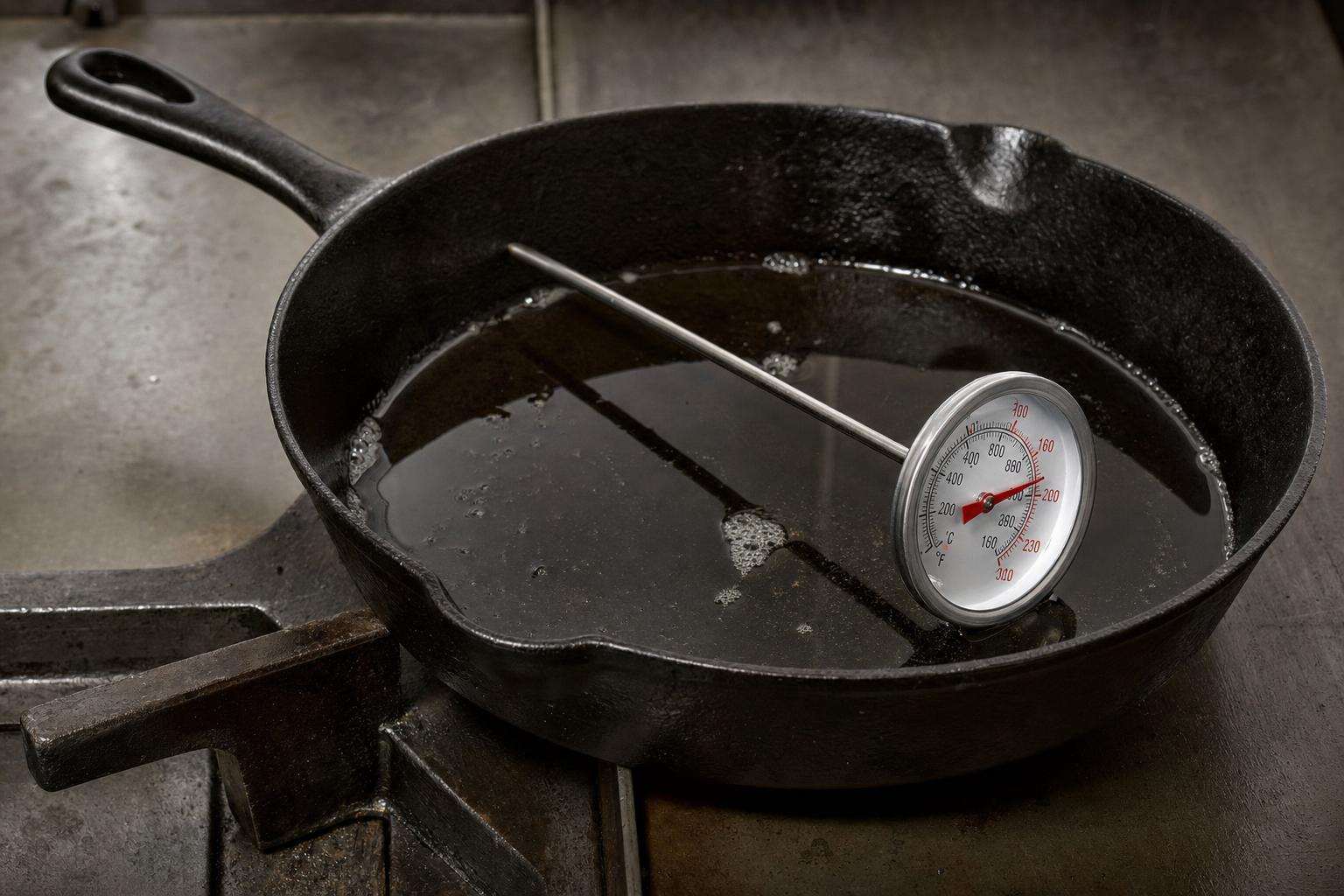
Rank cooking fats by unsaturation + antioxidants + duty cycle, not smoke-point marketing. High-oleic and phenolic-protected MUFA oils often outperform high-linoleic oils under heat.
This article is informational and editorial only. It is not medical advice, diagnosis, or a treatment plan. Numbers and literature ranges cited here are not personal prescriptions. Consult a qualified clinician before changing medications, supplements, diet, equipment, or management of a diagnosed condition. Seek urgent care for emergencies.
Why is smoke point a weak master metric?
Smoke point rises with refining and is easy to print on blogs. Oxidative stability explainers emphasize that stability under thermal stress is multi-factorial. A refined high-linoleic oil can show a high smoke point yet form oxidation products faster than a more saturated or high-oleic fat in real frying.
What does high-oleic chemistry change?
Romano et al. 2021 and extension composition sheets document high-oleic sunflower’s frying advantages over linoleic sunflower. High-oleic canola plays a similar role. These are still seed-derived oils chemically distinct from commodity linoleic versions—important for people reducing heated linoleic load without abandoning all oilseed fats.
| More heat-stable (typical) | Less heat-stable (typical) |
|---|---|
| Ghee, tallow, coconut (SFA-rich) | Flax (high PUFA; not for frying) |
| High-oleic sunflower/canola | Conventional sunflower/safflower/grapeseed |
| Refined avocado; quality EVOO (duty-dependent) | Multi-cycle commodity soy/corn fryer oil |
How do antioxidants change the story?
Tocopherols in seed oils and polyphenols in EVOO delay oxidation. AOCS antioxidant resources discuss frying shelf life levers. Refining removes some antioxidants but also pro-oxidant impurities—net effects are oil-specific. Fresh oil still beats abused oil regardless of starting brand.
What kitchen protocol follows the chemistry?
For deep frying rare treats, prefer high-oleic or stable animal fats and avoid reusing oil across many cycles. For daily sauté, EVOO is a strong default for many Mediterranean-style diets. For searing, high-oleic or ghee work well. Discard oil that smells paint-like, foams excessively, or turns viscous. Chemistry plus sensory beats a single smoke-point number.
Readers should treat this explainer as a map of mechanisms, measurements, and decision rules rather than a personal protocol. Local water quality, travel history, diet pattern, pregnancy status, occupational exposures, and baseline medical conditions change priorities week to week. When evidence grades are mixed, prefer certified products, clinician-directed testing, and primary agency sources over social media absolute claims. Revisit guidance as analytics, regulations, and clinical guidelines update, because measurement science and public-health standards continue to evolve.
Practical exposure reduction and accurate terminology remain useful even when clinical dose-response curves are incomplete. Document your sources, test before you buy expensive gear, and keep food safety, infection control, and established medical care in the first tier of decisions. Secondary wellness products that promise detox, parasite purge, or total plastic elimination without diagnostic confirmation deserve skepticism proportional to their marketing intensity.
For households, the highest-yield pattern is usually measure what matters, match a certified or clinically indicated control to the finding, and avoid stacking redundant gadgets that address the wrong contaminant class. For travelers and people planning pregnancy, timeline-sensitive risks such as infection, lead, nitrate, and heat deserve earlier attention than low-probability exotic hazards. For readers following nutrition debates, distinguish food-matrix fats from repeatedly heated industrial oils and from biomarker studies that do not measure fryer oxidation.
Editorial standards on this site favor named organisms, named polymers, named filter certifications, and named study designs. Vague toxin language, unisex fertility scares without sex stratification, and silent unit conversions between mass and particle counts are treated as quality failures. Where human randomized evidence is thin, we say so and still offer proportionate precautions that do not require unproven supplements or extreme elimination diets.
If you use this article alongside related Health Canon explainers, cross-check category hubs for water filtration, environmental health, hormones, and sex-specific pages so multi-route problems are not solved with a single product. Share decision-relevant lab results with a qualified clinician when symptoms, pregnancy, immunosuppression, or occupational exposures raise the stakes beyond general consumer guidance.
Readers should treat this explainer as a map of mechanisms, measurements, and decision rules rather than a personal protocol. Local water quality, travel history, diet pattern, pregnancy status, occupational exposures, and baseline medical conditions change priorities week to week. When evidence grades are mixed, prefer certified products, clinician-directed testing, and primary agency sources over social media absolute claims. Revisit guidance as analytics, regulations, and clinical guidelines update, because measurement science and public-health standards continue to evolve.
Practical exposure reduction and accurate terminology remain useful even when clinical dose-response curves are incomplete. Document your sources, test before you buy expensive gear, and keep food safety, infection control, and established medical care in the first tier of decisions. Secondary wellness products that promise detox, parasite purge, or total plastic elimination without diagnostic confirmation deserve skepticism proportional to their marketing intensity.
For households, the highest-yield pattern is usually measure what matters, match a certified or clinically indicated control to the finding, and avoid stacking redundant gadgets that address the wrong contaminant class. For travelers and people planning pregnancy, timeline-sensitive risks such as infection, lead, nitrate, and heat deserve earlier attention than low-probability exotic hazards. For readers following nutrition debates, distinguish food-matrix fats from repeatedly heated industrial oils and from biomarker studies that do not measure fryer oxidation.
Sources & citations
Frequently asked