Nutrition
Seasonal Eating Romanticism vs Evidence: Critiques That Keep the Good Parts
Keep produce variety, cooking, and low UPF. Drop ancestral purity, anti-global efficiency myths, and health claims that outrun data.
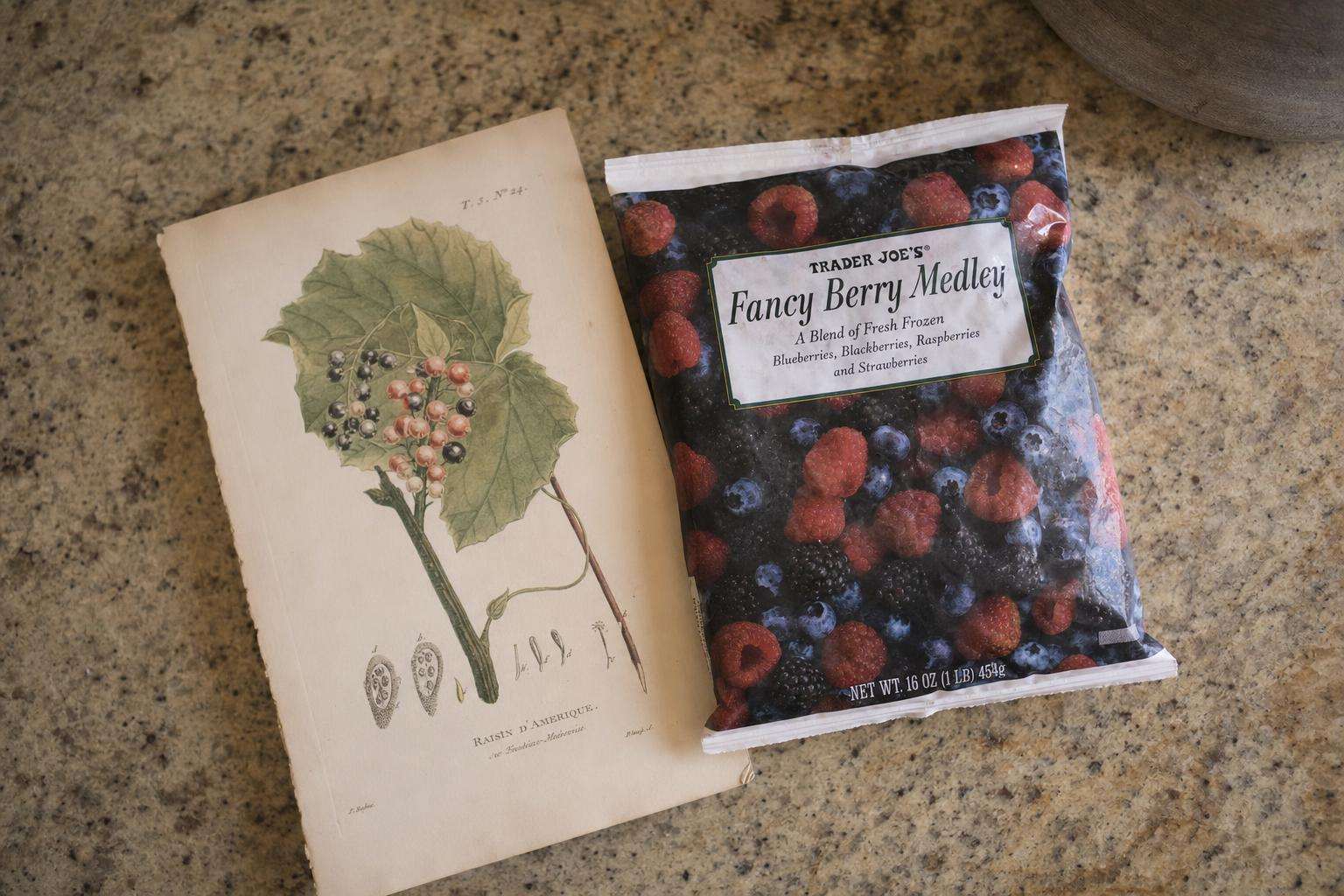
Keep plants, cooking, low UPF. Drop purity theater and medical overclaim. Seasonal romance is a motivation tool—not a higher evidence tier than Med/Nordic trials.
Nostalgia is a seasoning, not a study design. The best seasonal narratives make you hungrier for vegetables; the worst make you morally anxious about bananas.
This article is informational and editorial only. It is not medical advice, diagnosis, or a treatment plan. Numbers and literature ranges cited here are not personal prescriptions. Consult a qualified clinician before changing medications, supplements, diet, equipment, or management of a diagnosed condition. Seek urgent care for emergencies.
Which romantic motives are constructive?
Taste-driven produce intake, culinary tradition, community markets, reduced waste when planning around abundance.
Teaching kids seasonality as agriculture literacy.
Supporting regional growers as civic choice—not as secret medicine.
Which critiques are fair?
Health claims outrunning trials; confounding in locavore epi; food-miles tunnel vision.
Ignoring greenhouse production, storage, and global comparative advantage.
Exoticizing historical scarcity diets as elite wellness.
| Narrative element | Keep? | Why |
|---|---|---|
| More seasonal produce | Yes | Intake + taste |
| Home cooking culture | Yes | UPF displacement |
| Local as drug | No | No hard-outcome RCTs |
| Anti-all-trade purity | No | LCA + security nuance |
| Med/Nordic principles | Yes | Outcome evidence |
How to blend romance with evidence?
Anchor on patterns with outcome data; use seasonal shopping as adherence.
Cite composition studies carefully without clinical leapfrogging.
Budget frozen and canned when fresh peak is unavailable.
What does an adult plate look like?
Mostly plants, adequate protein, unsaturated fats, minimal UPF—seasonally flavored when convenient.
No shame spiral about imported citrus in winter if it keeps vitamin C intake up.
Update beliefs when better LCA or nutrition data arrive.
Sources: PREDIMED pattern evidence; Seasonal nutrient variability; Nordic diet evidence meta.
Readers should dual-source primary literature, translate slogans into exposure units and effect sizes, and rank interventions by expected value under uncertainty. Cheap reversible steps often outrank extreme protocols. Opportunity cost is real: hours spent on unvalidated tests are hours not spent on sleep, training, protein adequacy, and primary care. Sex, life stage, comorbidities, medications, and geography change interpretation. Prefer falsifiable claims with named endpoints over multi-disease cure lists. Update beliefs when stronger trials appear rather than freezing identity around a single paper or influencer narrative. Measured curiosity beats both panic and complacency. Further reading should prioritize primary sources and consensus documents over secondary social summaries. When evidence is mixed, state both the signal and the limits in the same paragraph. When evidence is strong, still avoid overclaiming universality across populations.
Context, dose, endpoint, and population must travel together; slogans that drop any of those four are not finished claims.
Context, dose, endpoint, and population must travel together; slogans that drop any of those four are not finished claims.
Context, dose, endpoint, and population must travel together; slogans that drop any of those four are not finished claims.
Context, dose, endpoint, and population must travel together; slogans that drop any of those four are not finished claims.
Context, dose, endpoint, and population must travel together; slogans that drop any of those four are not finished claims.
Context, dose, endpoint, and population must travel together; slogans that drop any of those four are not finished claims.
Context, dose, endpoint, and population must travel together; slogans that drop any of those four are not finished claims.
Context, dose, endpoint, and population must travel together; slogans that drop any of those four are not finished claims.
Context, dose, endpoint, and population must travel together; slogans that drop any of those four are not finished claims.
Context, dose, endpoint, and population must travel together; slogans that drop any of those four are not finished claims.
Context, dose, endpoint, and population must travel together; slogans that drop any of those four are not finished claims.
Context, dose, endpoint, and population must travel together; slogans that drop any of those four are not finished claims.
Context, dose, endpoint, and population must travel together; slogans that drop any of those four are not finished claims.
Context, dose, endpoint, and population must travel together; slogans that drop any of those four are not finished claims.
Context, dose, endpoint, and population must travel together; slogans that drop any of those four are not finished claims.
Context, dose, endpoint, and population must travel together; slogans that drop any of those four are not finished claims.
Context, dose, endpoint, and population must travel together; slogans that drop any of those four are not finished claims.
Context, dose, endpoint, and population must travel together; slogans that drop any of those four are not finished claims.
Context, dose, endpoint, and population must travel together; slogans that drop any of those four are not finished claims.
Context, dose, endpoint, and population must travel together; slogans that drop any of those four are not finished claims.
Context, dose, endpoint, and population must travel together; slogans that drop any of those four are not finished claims.
Context, dose, endpoint, and population must travel together; slogans that drop any of those four are not finished claims.
Context, dose, endpoint, and population must travel together; slogans that drop any of those four are not finished claims.
Context, dose, endpoint, and population must travel together; slogans that drop any of those four are not finished claims.
Sources & citations
Frequently asked