Nutrition
Postharvest Storage and Nutrient Loss: Time, Temperature, and Light
Vitamins degrade after harvest along time–temperature curves. Storage, not farm ideology, often decides whether “fresh” still carries labile nutrients.
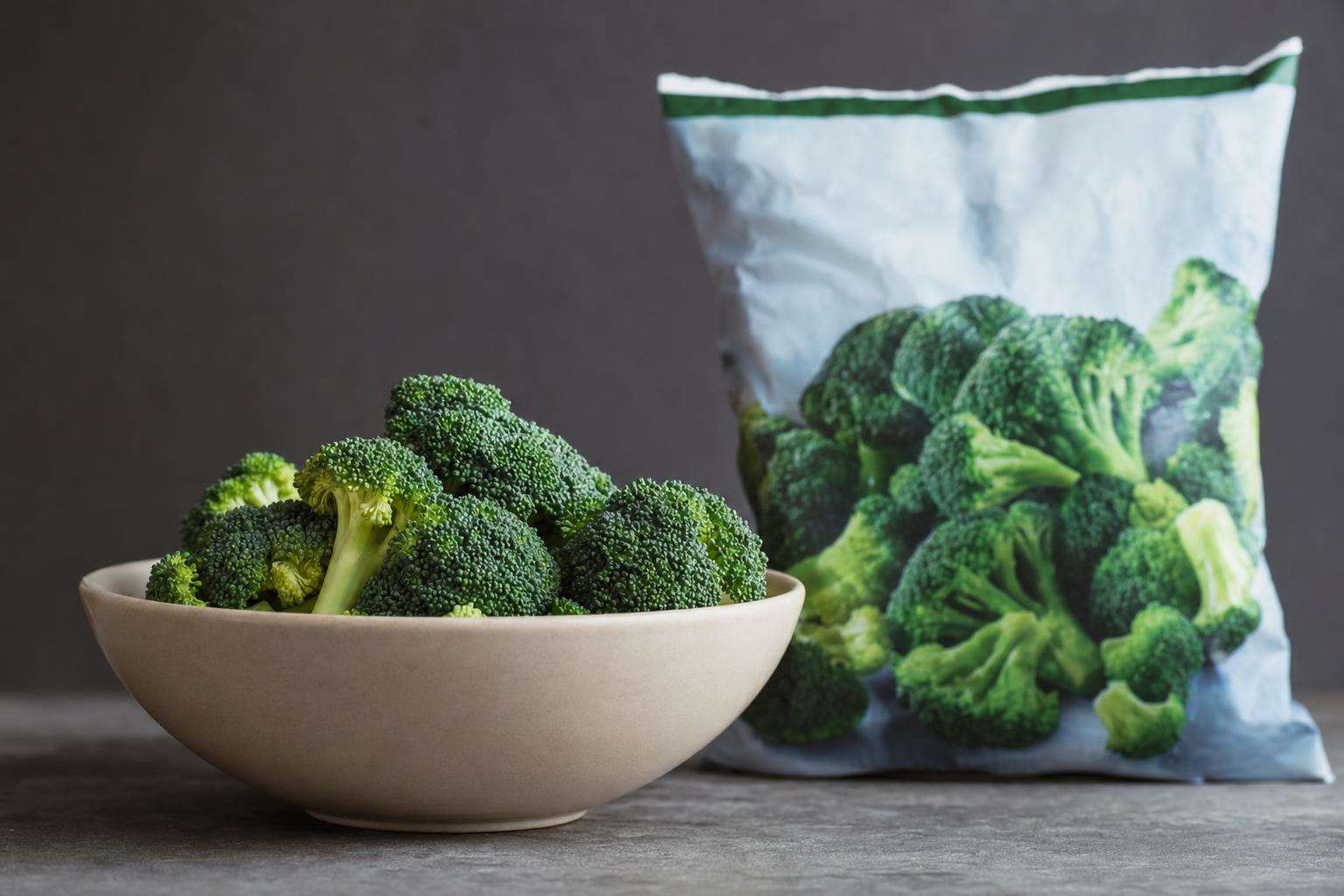
After harvest, time and temperature rewrite vitamin content. Frozen-at-peak often beats tired fresh. Store cold, use faster, and stop equating “fresh” with maximal nutrition automatically.
The most important mile for spinach vitamin C may be the day it spent warm on a counter—not the kilometer from a regional farm.
This article is informational and editorial only. It is not medical advice, diagnosis, or a treatment plan. Numbers and literature ranges cited here are not personal prescriptions. Consult a qualified clinician before changing medications, supplements, diet, equipment, or management of a diagnosed condition. Seek urgent care for emergencies.
What does postharvest science measure?
Respiration, moisture loss, enzymatic changes, and vitamin degradation along storage curves.
Different crops have different optimal temperatures and ethylene responses.
Retail display life is an economic variable that can trade against peak nutrition.
Why can frozen win on labile vitamins?
Blanching and freezing near peak lock composition before long fresh logistics.
Comparative studies (e.g., Bouzari and colleagues) show frozen can match or beat long-stored fresh for some vitamins.
Household freezers extend that advantage if you freeze surplus promptly.
| Factor | Effect | Action |
|---|---|---|
| Time since harvest | Vitamin decline | Buy closer to use |
| Temperature | Faster loss when warm | Cold chain + fridge |
| Light/oxygen | Oxidation | Store opaque, sealed |
| Freezing peak | Locks many vitamins | Valid strategy |
What household habits cause avoidable loss?
Leaving produce in hot cars, overcrowded warm fridges, and week-long delayed cooking.
Buying more perishable greens than you will eat.
Confusing date aesthetics with chemistry.
How to decide fresh vs frozen vs canned?
Taste and recipe needs first; nutrition second with realism.
Use frozen when fresh is tired, expensive, or will spoil.
Use canned for pantry resilience; rinse high-sodium products when appropriate.
Sources: Bouzari et al. 2015 frozen vs fresh; FDA produce handling; USDA FoodData Central.
Readers should dual-source primary literature, translate slogans into exposure units and effect sizes, and rank interventions by expected value under uncertainty. Cheap reversible steps often outrank extreme protocols. Opportunity cost is real: hours spent on unvalidated tests are hours not spent on sleep, training, protein adequacy, and primary care. Sex, life stage, comorbidities, medications, and geography change interpretation. Prefer falsifiable claims with named endpoints over multi-disease cure lists. Update beliefs when stronger trials appear rather than freezing identity around a single paper or influencer narrative. Measured curiosity beats both panic and complacency. Further reading should prioritize primary sources and consensus documents over secondary social summaries. When evidence is mixed, state both the signal and the limits in the same paragraph. When evidence is strong, still avoid overclaiming universality across populations. Pattern quality, dose, and adherence dominate most household decisions more than brand seals.
Context, dose, endpoint, and population must travel together; slogans that drop any of those four are not finished claims. Household decisions should favor reversible experiments with measurable outcomes over identity diets or unvalidated testing cascades.
Context, dose, endpoint, and population must travel together; slogans that drop any of those four are not finished claims. Household decisions should favor reversible experiments with measurable outcomes over identity diets or unvalidated testing cascades.
Context, dose, endpoint, and population must travel together; slogans that drop any of those four are not finished claims. Household decisions should favor reversible experiments with measurable outcomes over identity diets or unvalidated testing cascades.
Context, dose, endpoint, and population must travel together; slogans that drop any of those four are not finished claims. Household decisions should favor reversible experiments with measurable outcomes over identity diets or unvalidated testing cascades.
Context, dose, endpoint, and population must travel together; slogans that drop any of those four are not finished claims. Household decisions should favor reversible experiments with measurable outcomes over identity diets or unvalidated testing cascades.
Context, dose, endpoint, and population must travel together; slogans that drop any of those four are not finished claims. Household decisions should favor reversible experiments with measurable outcomes over identity diets or unvalidated testing cascades.
Context, dose, endpoint, and population must travel together; slogans that drop any of those four are not finished claims. Household decisions should favor reversible experiments with measurable outcomes over identity diets or unvalidated testing cascades.
Context, dose, endpoint, and population must travel together; slogans that drop any of those four are not finished claims. Household decisions should favor reversible experiments with measurable outcomes over identity diets or unvalidated testing cascades.
Context, dose, endpoint, and population must travel together; slogans that drop any of those four are not finished claims. Household decisions should favor reversible experiments with measurable outcomes over identity diets or unvalidated testing cascades.
Context, dose, endpoint, and population must travel together; slogans that drop any of those four are not finished claims. Household decisions should favor reversible experiments with measurable outcomes over identity diets or unvalidated testing cascades.
Context, dose, endpoint, and population must travel together; slogans that drop any of those four are not finished claims. Household decisions should favor reversible experiments with measurable outcomes over identity diets or unvalidated testing cascades.
Context, dose, endpoint, and population must travel together; slogans that drop any of those four are not finished claims. Household decisions should favor reversible experiments with measurable outcomes over identity diets or unvalidated testing cascades.
Sources & citations
Frequently asked