Nutrition
Paul Saladino Animal-Based Macros: Protein, Fat, Fruit Carbs, and Liver Dosing
Site calculator norms: ~1.0–1.2 g protein per lb goal weight, activity-scaled fruit/honey carbs, liver ~2–3 oz/week. Elimination diet—not medical nutrition therapy.
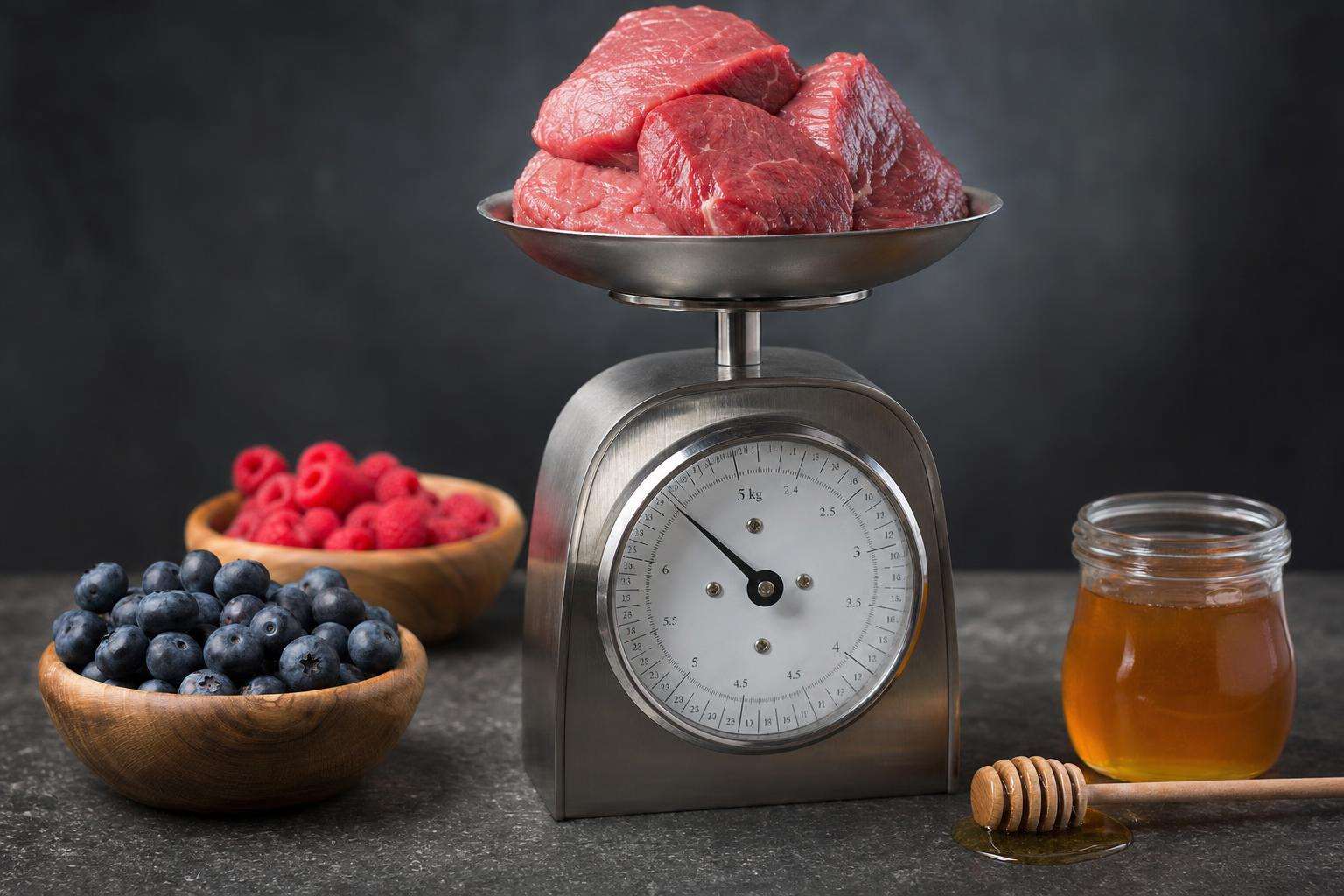
Animal-based macros: protein ~1.0–1.2 g/lb goal weight, fatty-meat fat, fruit/honey carbs ~0.7–1.7 g/lb by activity, liver ~2–3 oz/week. Elimination diet with weak hard-outcome proof versus Med/DASH.
Before debating philosophy, inventory the plate: meat, organs, fruit, honey, optional dairy—and explicit exclusion of grains, legumes, most vegetables, seed oils, and ultra-processed foods. Macros are the operational form of the brand.
This article is informational and editorial only. It is not medical advice, diagnosis, or a treatment plan. Numbers and literature ranges cited here are not personal prescriptions. Consult a qualified clinician before changing medications, supplements, diet, equipment, or management of a diagnosed condition. Seek urgent care for emergencies.
What foods define the current animal-based pattern?
Core foods on official pages: meat, organs, fruit, honey, and raw dairy if tolerated.
Paul’s example days often show large fruit loads, fatty meat, organ products, and raw milk volumes—useful as illustration, not as a prescription for your labs.
Desiccated organ capsules appear as adherence bridges; separate food composition from supplement marketing.
How are macros scaled on the calculator?
Protein multiplies goal body weight; fat is supplied by fatty cuts rather than seed oils; carbs scale with weekly activity bands from fruit and honey.
Sample mid-calorie plates can land near ~2,300–3,000 kcal depending on targets—energy still matters for weight change.
Never treat calculator outputs as individualized medical nutrition therapy for CKD, pregnancy, or eating-disorder history.
| Parameter | Site-class norm | Caveat |
|---|---|---|
| Protein | ~1.0–1.2 g × goal lb | Not individualized MNT |
| Meat heuristic | ≥1 lb / 100 lb BW | Quality + total energy matter |
| Carbs | ~0.7–1.7 g/lb fruit/honey | Activity-scaled |
| Liver | ~2–3 oz/week | Retinol/pregnancy caution |
| Raw dairy | Optional marketing | FDA pathogen warnings |
What gaps and excesses should readers watch?
Fruit improves vitamin C and potassium versus strict cooked carnivore; magnesium and iodine still depend on food choices or fortification/supplements.
Chronic heavy liver raises retinol and copper ceilings; men with iron overload risk need ferritin vigilance.
Raw dairy is optional and pathogen-risk; pasteurized is the safer default framing.
How should the pattern be graded as a whole?
As universal human optimum: Grade D. As UPF-removal simplification that may improve short-term markers for some: Grade C with monitoring.
Hard-outcome defaults remain Mediterranean/DASH-class high-fiber patterns until animal-based RCTs with events exist.
If used experimentally, pre-specify labs (lipids/ApoB, ferritin, CMP, hormones as indicated) and stop rules.
Sources: Animal-based diet + calculator; PREDIMED 2018; FDA raw milk dangers.
Readers should dual-source primary literature, translate slogans into exposure units and effect sizes, and rank interventions by expected value under uncertainty. Cheap reversible steps often outrank extreme protocols. Opportunity cost is real: hours spent on unvalidated tests are hours not spent on sleep, training, protein adequacy, and primary care. Sex, life stage, comorbidities, medications, and geography change interpretation. Prefer falsifiable claims with named endpoints over multi-disease cure lists. Update beliefs when stronger trials appear rather than freezing identity around a single paper or influencer narrative. Measured curiosity beats both panic and complacency. Further reading should prioritize primary sources and consensus documents over secondary social summaries. When evidence is mixed, state both the signal and the limits in the same paragraph. When evidence is strong, still avoid overclaiming universality across populations.
Context, dose, endpoint, and population must travel together; slogans that drop any of those four are not finished claims.
Context, dose, endpoint, and population must travel together; slogans that drop any of those four are not finished claims.
Context, dose, endpoint, and population must travel together; slogans that drop any of those four are not finished claims.
Context, dose, endpoint, and population must travel together; slogans that drop any of those four are not finished claims.
Context, dose, endpoint, and population must travel together; slogans that drop any of those four are not finished claims.
Context, dose, endpoint, and population must travel together; slogans that drop any of those four are not finished claims.
Context, dose, endpoint, and population must travel together; slogans that drop any of those four are not finished claims.
Context, dose, endpoint, and population must travel together; slogans that drop any of those four are not finished claims.
Context, dose, endpoint, and population must travel together; slogans that drop any of those four are not finished claims.
Context, dose, endpoint, and population must travel together; slogans that drop any of those four are not finished claims.
Context, dose, endpoint, and population must travel together; slogans that drop any of those four are not finished claims.
Context, dose, endpoint, and population must travel together; slogans that drop any of those four are not finished claims.
Context, dose, endpoint, and population must travel together; slogans that drop any of those four are not finished claims.
Context, dose, endpoint, and population must travel together; slogans that drop any of those four are not finished claims.
Context, dose, endpoint, and population must travel together; slogans that drop any of those four are not finished claims.
Context, dose, endpoint, and population must travel together; slogans that drop any of those four are not finished claims.
Context, dose, endpoint, and population must travel together; slogans that drop any of those four are not finished claims.
Context, dose, endpoint, and population must travel together; slogans that drop any of those four are not finished claims.
Sources & citations
Frequently asked