Nutrition
Organic Foods: When They Are Worth It (and When They Are Not)
Residues, nutrients, mixed disease cohorts, Dirty Dozen limits, premiums, and a practical shopping stack.
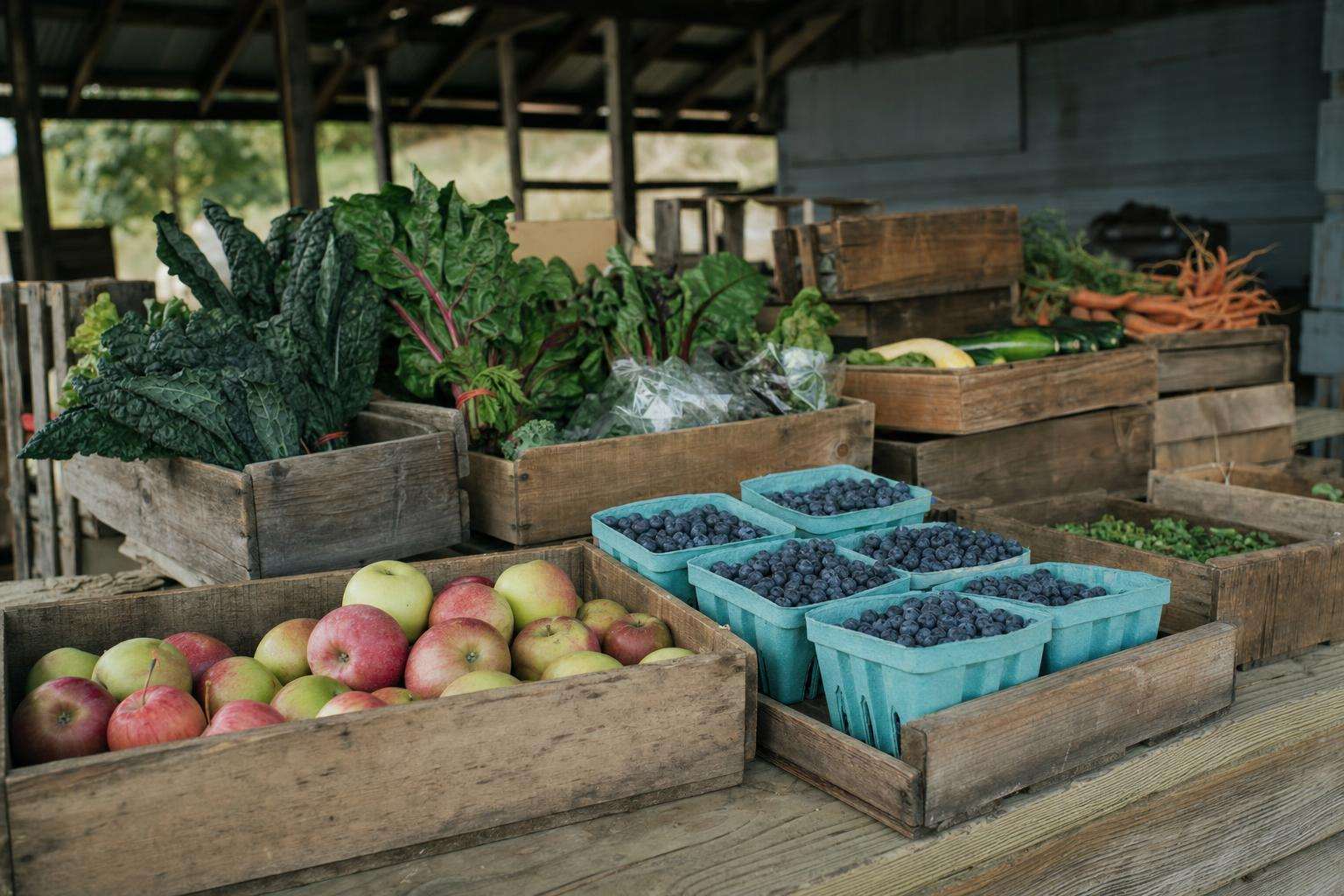
Organic food’s most robust consumer-facing advantage is lower synthetic pesticide residue detection and lower urinary pesticide biomarkers—not proven broad prevention of cancer, obesity, or allergy. Conventional produce still usually complies with residue tolerances. Diet pattern beats seals; prioritize produce overall, then spend organic premiums where residue reduction or personal values matter most.
Organic labels attract moral intensity that outruns evidence nuance. USDA Organic is a process certification under 7 CFR 205—not a pesticide-zero guarantee or a nutrient superpower stamp. This guide dual-sources residue monitoring, composition meta-analyses, mixed chronic-disease cohorts, fertility signals, Dirty Dozen critiques, environmental tradeoffs, and price premiums so shoppers can allocate limited budgets without fear or marketing theater.
This article is informational and editorial only. It is not medical advice, diagnosis, or a treatment plan. Numbers and literature ranges cited here are not personal prescriptions. Consult a qualified clinician before changing medications, supplements, diet, prenatal vitamins, or management of a diagnosed condition. Seek urgent care for emergencies.
Do organic foods have fewer pesticides—and does detection equal danger?
Yes on detection frequency; not automatically on clinical hazard. The USDA Pesticide Data Program market-basket testing consistently finds residues on conventional produce that are nearly always below EPA tolerances. Smith-Spangler and colleagues’ 2012 synthesis estimated organic production associated with about a 30 percentage-point lower risk of detectable pesticide residues. European Food Safety Authority monitoring commonly reports overall MRL compliance around 98% class figures; widely cited EFSA-era contrasts (as used in later cohort papers) put quantifiable residues near 44% of conventional versus ~6.5% of organic samples.
Organic-diet intervention studies show rapid drops in urinary pesticide metabolites (Hyland 2019; Bradman 2015 lineage)—strong biomarker evidence that choosing organic can reduce exposure. Hazard quotients for individual compliant residues are often far below 1 in toxicology-weighted analyses. Occupational and high-dose pesticide epidemiology (including some IARC classifications for specific active ingredients) is not automatic proof that legal dietary residues cause the same outcomes. Detection ≠ illegal; detection ≠ proven disease.
The Environmental Working Group Dirty Dozen is a budget prioritization heuristic derived from PDP-style metrics, not an EPA risk ranking. Winter and Katz–class critiques argue chronic hazard indices for common Dirty Dozen residues are negligible for typical consumers. Never cut total fruit and vegetable intake to avoid conventional items—produce benefits dominate residue micro-differences for most people.
| Claim domain | Direction of evidence | Certainty note |
|---|---|---|
| Detectable synthetic residues | Organic lower | Robust monitoring and meta-synthesis |
| Urinary pesticide biomarkers | Organic diets lower | Intervention trials support |
| Tolerance/MRL compliance | High for both streams | ~98% class EU figures; US PDP mostly below tolerance |
| Crop cadmium | Organic lower (~−48% in meta-analysis) | Composition signal |
| Vitamins/minerals | Weak/mixed superiority | Smith-Spangler caution |
| Cancer / obesity hard outcomes | Mixed observational | Healthy-user confounding |
| Price | Organic higher (often >20%) | ERS premium data |
Are organic foods more nutritious?
Sometimes on specific analytes; rarely as a blanket micronutrient miracle. Barański and colleagues 2014 reported organic crops with about 48% lower cadmium, higher antioxidant and phenolic concentrations on average, lower residue incidence, and lower nitrate in some comparisons. Smith-Spangler 2012 found weak evidence for broad vitamin and mineral superiority of organic produce. Conventional meats more often carried multi-drug-resistant bacteria in that synthesis—an antimicrobial stewardship angle distinct from pesticide residue.
Organic milk meta-analysis (Średnicka-Tober 2016) found roughly +56% omega-3 and +41% CLA versus conventional, with lower iodine and selenium—forage and fortification driven, not magic. Composition differences can matter to some shoppers (fatty-acid quality, cadmium) without proving clinical superiority for every disease endpoint. Ultra-processed organic snacks can still be poor diet-pattern choices; the seal does not redeem candy.
What do health outcome studies actually show?
Cancer evidence is mixed and observational. Baudry and colleagues’ NutriNet-Santé analysis reported overall cancer HR about 0.75 (0.63–0.88) comparing high versus low organic food scores, with absolute risk reduction around 0.6% in that report—statistically notable yet modest in absolute terms and open to residual confounding. Bradbury and colleagues’ Million Women Study found essentially null overall cancer association with organic food consumption, with soft signals discussed for non-Hodgkin lymphoma in both research traditions. Dual-source these cohorts rather than cherry-picking one headline.
Allergy clinical evidence has been weak or null in systematic-review-era data. Obesity and metabolic syndrome associations with organic food patterns are observational and highly vulnerable to healthy-user confounding (people who buy organic often exercise more, smoke less, and eat more produce). Chiu and colleagues 2018 linked higher pesticide-residue produce scores with worse assisted-reproduction pregnancy and live-birth outcomes—supporting a strategy of substituting lower-residue items for high-residue produce rather than eliminating fruits and vegetables.
Primary sources for monitoring include the USDA PDP datasets and EFSA annual residue reports. Organic certification rules live in the USDA Agricultural Marketing Service National Organic Program.
How should cost, environment, and sex-specific priorities shape shopping?
ERS-class analyses found premiums often greater than 20% for most tracked products, with historical organic milk premiums sometimes 50–80%. Organic dairy systems can show lower yield per cow (about −23% in some comparisons)—an honesty check for climate and land-use claims. Environmental co-benefits of organic systems often include higher on-farm biodiversity and lower synthetic pesticide load; climate comparisons need yield and land-use context, not slogan-only accounting.
Practical stack for limited budgets: keep total produce high; use Dirty Dozen–style lists only as optional spend prioritization; choose organic for items you eat in large quantities with historically higher multi-residue profiles if the premium is tolerable; buy conventional for thick-peel or Clean Fifteen–class items without guilt; prioritize organic dairy or meat only if fatty-acid profile or animal-welfare values justify cost. Pregnancy and fertility planning may motivate residue-reduction strategies while still maximizing fruit and vegetable intake. Men’s and women’s nutrient needs differ, but the organic seal is a weak sex-specific lever compared with overall dietary pattern, iron needs, pregnancy folate, and calorie quality.
Bottom line: organic’s best-supported consumer claim is exposure reduction, not guaranteed disease prevention. Conventional compliant produce is not poison. Pay premiums where they match your residue priorities and values; never let the seal outrank eating vegetables.
Sources & citations
Frequently asked