Nutrition
Seasonal Vitamins and Minerals in Produce: Real Swings, Modest Clinical Stakes
Composition varies by season, cultivar, maturity, and storage—e.g., spinach vitamin C more than 2× across seasons in Phillips 2018. Total produce frequency still dominates health.
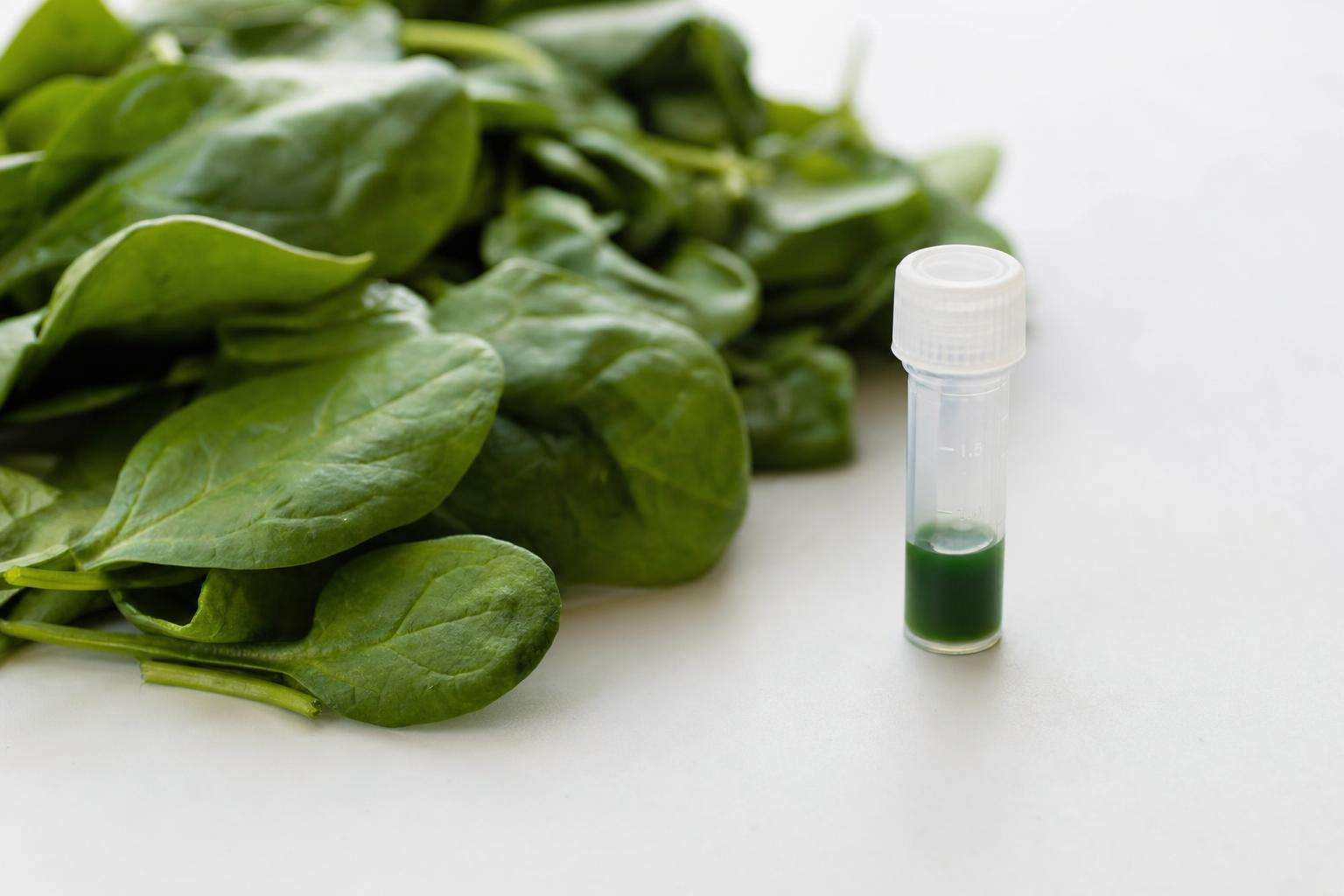
Seasonal micronutrient swings are real (e.g., spinach vitamin C >2×). Clinical stakes usually modest vs total produce intake. Fair: composition drivers. Unfair: out-of-season = junk.
Chemistry is seasonal; public health is cumulative. Know the difference before weaponizing a single crop-year lab value against frozen peas.
This article is informational and editorial only. It is not medical advice, diagnosis, or a treatment plan. Numbers and literature ranges cited here are not personal prescriptions. Consult a qualified clinician before changing medications, supplements, diet, equipment, or management of a diagnosed condition. Seek urgent care for emergencies.
What did market-basket research show?
Phillips 2018 documented large seasonal vitamin C variability across retail items, with spinach as a dramatic example.
Natural ranges for carotenoids and vitamin C are wide across crops and growing conditions.
One study is not a universal ranking of every SKU in every supermarket month.
Which drivers matter besides calendar season?
Cultivar genetics, maturity stage, climate, farming practice, storage, and processing.
Soil mineral status can dominate mineral content.
Post-purchase home storage continues nutrient loss for labile vitamins.
| Example | Finding | Use |
|---|---|---|
| Spinach vitamin C (Phillips) | Winter >> summer/fall in sample | Composition variability |
| Carotenoids/C ranges | Wide by crop/season | Expect noise |
| Clinical RCT seasonal-only | Absent as superior strategy | Don’t overclaim |
| Public health | Any produce > none | Primary lever |
How should clinicians and educators message this?
Encourage year-round produce variety including frozen peak-harvest options.
In food-insecure settings, treat seasonal gaps as access/diversity problems.
Do not grade patients’ ethics by farmers-market attendance.
What claim grades apply?
Composition seasonality: A/B. Clinical superiority of seasonal-only diets: D if overextended.
Total FV frequency: A public-health hierarchy.
Single-study universal laws: D.
Sources: Phillips et al. 2018 seasonal vitamin C; USDA ARS Phillips publication page; Waswa et al. seasonal micronutrient intakes.
Readers should dual-source primary literature, translate slogans into exposure units and effect sizes, and rank interventions by expected value under uncertainty. Cheap reversible steps often outrank extreme protocols. Opportunity cost is real: hours spent on unvalidated tests are hours not spent on sleep, training, protein adequacy, and primary care. Sex, life stage, comorbidities, medications, and geography change interpretation. Prefer falsifiable claims with named endpoints over multi-disease cure lists. Update beliefs when stronger trials appear rather than freezing identity around a single paper or influencer narrative. Measured curiosity beats both panic and complacency. Further reading should prioritize primary sources and consensus documents over secondary social summaries. When evidence is mixed, state both the signal and the limits in the same paragraph. When evidence is strong, still avoid overclaiming universality across populations.
Context, dose, endpoint, and population must travel together; slogans that drop any of those four are not finished claims.
Context, dose, endpoint, and population must travel together; slogans that drop any of those four are not finished claims.
Context, dose, endpoint, and population must travel together; slogans that drop any of those four are not finished claims.
Context, dose, endpoint, and population must travel together; slogans that drop any of those four are not finished claims.
Context, dose, endpoint, and population must travel together; slogans that drop any of those four are not finished claims.
Context, dose, endpoint, and population must travel together; slogans that drop any of those four are not finished claims.
Context, dose, endpoint, and population must travel together; slogans that drop any of those four are not finished claims.
Context, dose, endpoint, and population must travel together; slogans that drop any of those four are not finished claims.
Context, dose, endpoint, and population must travel together; slogans that drop any of those four are not finished claims.
Context, dose, endpoint, and population must travel together; slogans that drop any of those four are not finished claims.
Context, dose, endpoint, and population must travel together; slogans that drop any of those four are not finished claims.
Context, dose, endpoint, and population must travel together; slogans that drop any of those four are not finished claims.
Context, dose, endpoint, and population must travel together; slogans that drop any of those four are not finished claims.
Context, dose, endpoint, and population must travel together; slogans that drop any of those four are not finished claims.
Context, dose, endpoint, and population must travel together; slogans that drop any of those four are not finished claims.
Context, dose, endpoint, and population must travel together; slogans that drop any of those four are not finished claims.
Context, dose, endpoint, and population must travel together; slogans that drop any of those four are not finished claims.
Context, dose, endpoint, and population must travel together; slogans that drop any of those four are not finished claims.
Context, dose, endpoint, and population must travel together; slogans that drop any of those four are not finished claims.
Context, dose, endpoint, and population must travel together; slogans that drop any of those four are not finished claims.
Context, dose, endpoint, and population must travel together; slogans that drop any of those four are not finished claims.
Context, dose, endpoint, and population must travel together; slogans that drop any of those four are not finished claims.
Context, dose, endpoint, and population must travel together; slogans that drop any of those four are not finished claims.
Sources & citations
Frequently asked