Nutrition
Cold Chain, Packaging, and Food Waste: Where Nutrients and Emissions Leak
Broken cold chains waste food and nutrients; packaging trades material impacts for spoilage reduction. Waste often dominates climate math more than last-mile miles.
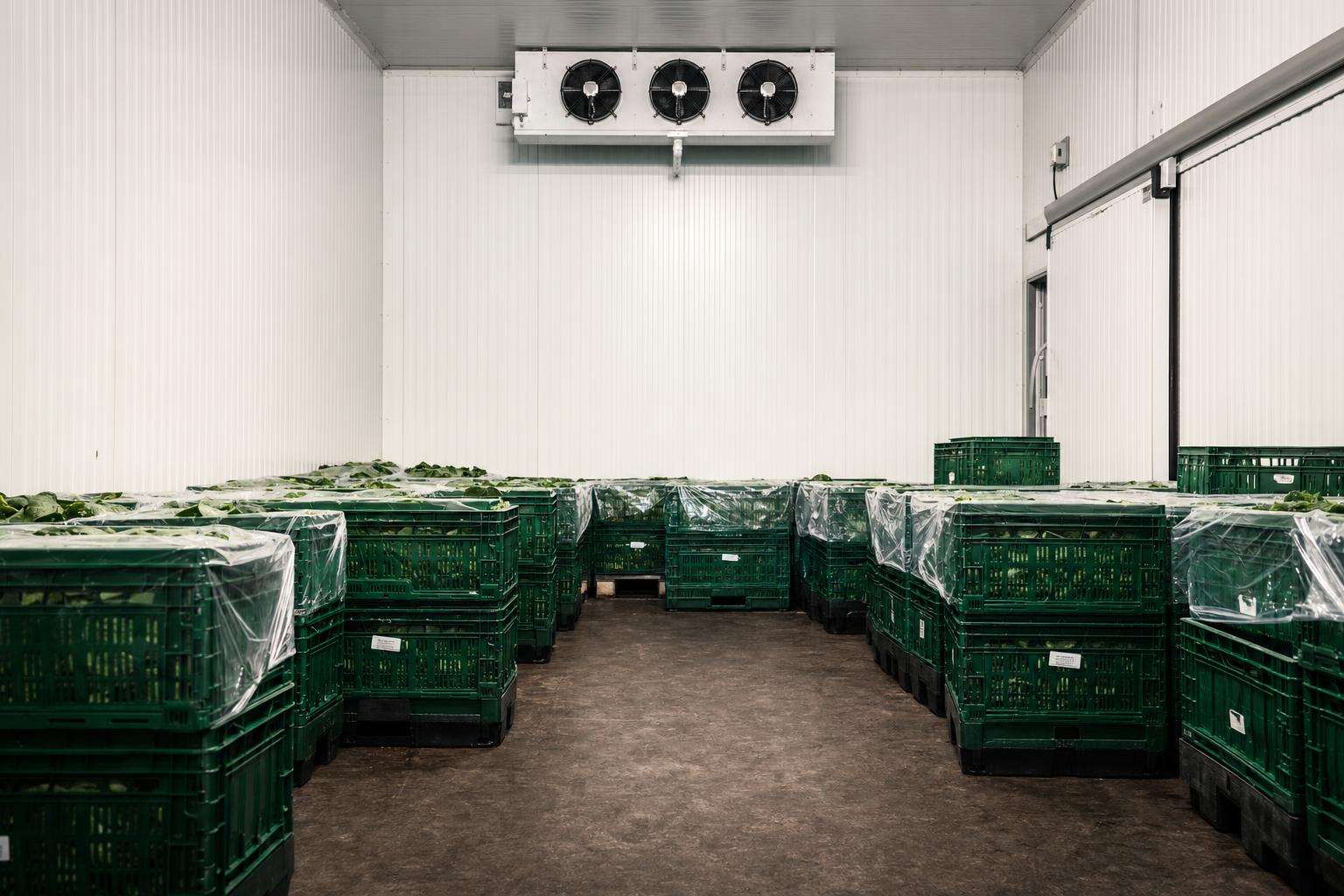
Cold-chain failures and food waste destroy nutrients and embodied GHG. Packaging is not pure villainy when it prevents spoilage. Cut waste and temperature abuse before romanticizing zero-pack local systems.
A strawberry that rots in a warm truck never nourished anyone—and its farm emissions still happened. Cold chain, packaging, and waste are the unglamorous middle of seasonal-eating climate math.
This article is informational and editorial only. It is not medical advice, diagnosis, or a treatment plan. Numbers and literature ranges cited here are not personal prescriptions. Consult a qualified clinician before changing medications, supplements, diet, equipment, or management of a diagnosed condition. Seek urgent care for emergencies.
Where do nutrients and edible mass actually leak?
Postharvest handling, retail display temperatures, and home refrigeration delays degrade labile vitamins and cull edible product.
FAO and national loss/waste inventories show large edible fractions never consumed—especially produce.
Every wasted calorie still carried fertilizer, irrigation, labor, and transport burdens upstream.
When does packaging lower total system impact?
Modified-atmosphere packs, moisture barriers, and portion sizing can cut spoilage enough to offset pack production.
Lifecycle studies must include avoided waste; package-only footprints mislead.
Over-packaging without shelf-life gains is still wasteful—optimize, do not fetishize either extreme.
| Leak point | What is lost | Practical lever |
|---|---|---|
| Farm/postharvest | Edible mass, vitamins | Cooling, handling, cultivars |
| Retail display | Spoilage, culls | Temp control, forecasting |
| Household | Uneaten food | Planning, freeze, date literacy |
| Packaging tradeoff | Material vs spoilage | Net LCA, not ideology |
How should climate-minded shoppers prioritize?
Buy quantities you will finish; freeze peak produce; keep the refrigerator cold and uncrowded for airflow.
Prefer field-in-season and frozen peak over air-freight luxury when climate is a goal.
Track household waste before redesigning your entire sourcing ideology.
What belongs in editorial grades?
Grade A/B: waste reduction and cold-chain reliability as multi-benefit levers.
Grade C: specific packaging materials without waste context.
Grade D: claiming local unpackaged always wins climate math without data.
Sources: FAO food loss and waste data; USDA ERS food availability; Poore & Nemecek 2018.
Readers should dual-source primary literature, translate slogans into exposure units and effect sizes, and rank interventions by expected value under uncertainty. Cheap reversible steps often outrank extreme protocols. Opportunity cost is real: hours spent on unvalidated tests are hours not spent on sleep, training, protein adequacy, and primary care. Sex, life stage, comorbidities, medications, and geography change interpretation. Prefer falsifiable claims with named endpoints over multi-disease cure lists. Update beliefs when stronger trials appear rather than freezing identity around a single paper or influencer narrative. Measured curiosity beats both panic and complacency. Further reading should prioritize primary sources and consensus documents over secondary social summaries. When evidence is mixed, state both the signal and the limits in the same paragraph. When evidence is strong, still avoid overclaiming universality across populations. Pattern quality, dose, and adherence dominate most household decisions more than brand seals.
Context, dose, endpoint, and population must travel together; slogans that drop any of those four are not finished claims. Household decisions should favor reversible experiments with measurable outcomes over identity diets or unvalidated testing cascades.
Context, dose, endpoint, and population must travel together; slogans that drop any of those four are not finished claims. Household decisions should favor reversible experiments with measurable outcomes over identity diets or unvalidated testing cascades.
Context, dose, endpoint, and population must travel together; slogans that drop any of those four are not finished claims. Household decisions should favor reversible experiments with measurable outcomes over identity diets or unvalidated testing cascades.
Context, dose, endpoint, and population must travel together; slogans that drop any of those four are not finished claims. Household decisions should favor reversible experiments with measurable outcomes over identity diets or unvalidated testing cascades.
Context, dose, endpoint, and population must travel together; slogans that drop any of those four are not finished claims. Household decisions should favor reversible experiments with measurable outcomes over identity diets or unvalidated testing cascades.
Context, dose, endpoint, and population must travel together; slogans that drop any of those four are not finished claims. Household decisions should favor reversible experiments with measurable outcomes over identity diets or unvalidated testing cascades.
Context, dose, endpoint, and population must travel together; slogans that drop any of those four are not finished claims. Household decisions should favor reversible experiments with measurable outcomes over identity diets or unvalidated testing cascades.
Context, dose, endpoint, and population must travel together; slogans that drop any of those four are not finished claims. Household decisions should favor reversible experiments with measurable outcomes over identity diets or unvalidated testing cascades.
Context, dose, endpoint, and population must travel together; slogans that drop any of those four are not finished claims. Household decisions should favor reversible experiments with measurable outcomes over identity diets or unvalidated testing cascades.
Context, dose, endpoint, and population must travel together; slogans that drop any of those four are not finished claims. Household decisions should favor reversible experiments with measurable outcomes over identity diets or unvalidated testing cascades.
Context, dose, endpoint, and population must travel together; slogans that drop any of those four are not finished claims. Household decisions should favor reversible experiments with measurable outcomes over identity diets or unvalidated testing cascades.
Sources & citations
Frequently asked