Nutrition
Swapping Seed Oils: What to Fix First (2026)
Pattern first, then fry-oil quality, then home cooking fats—without purity-cult grocery panic.
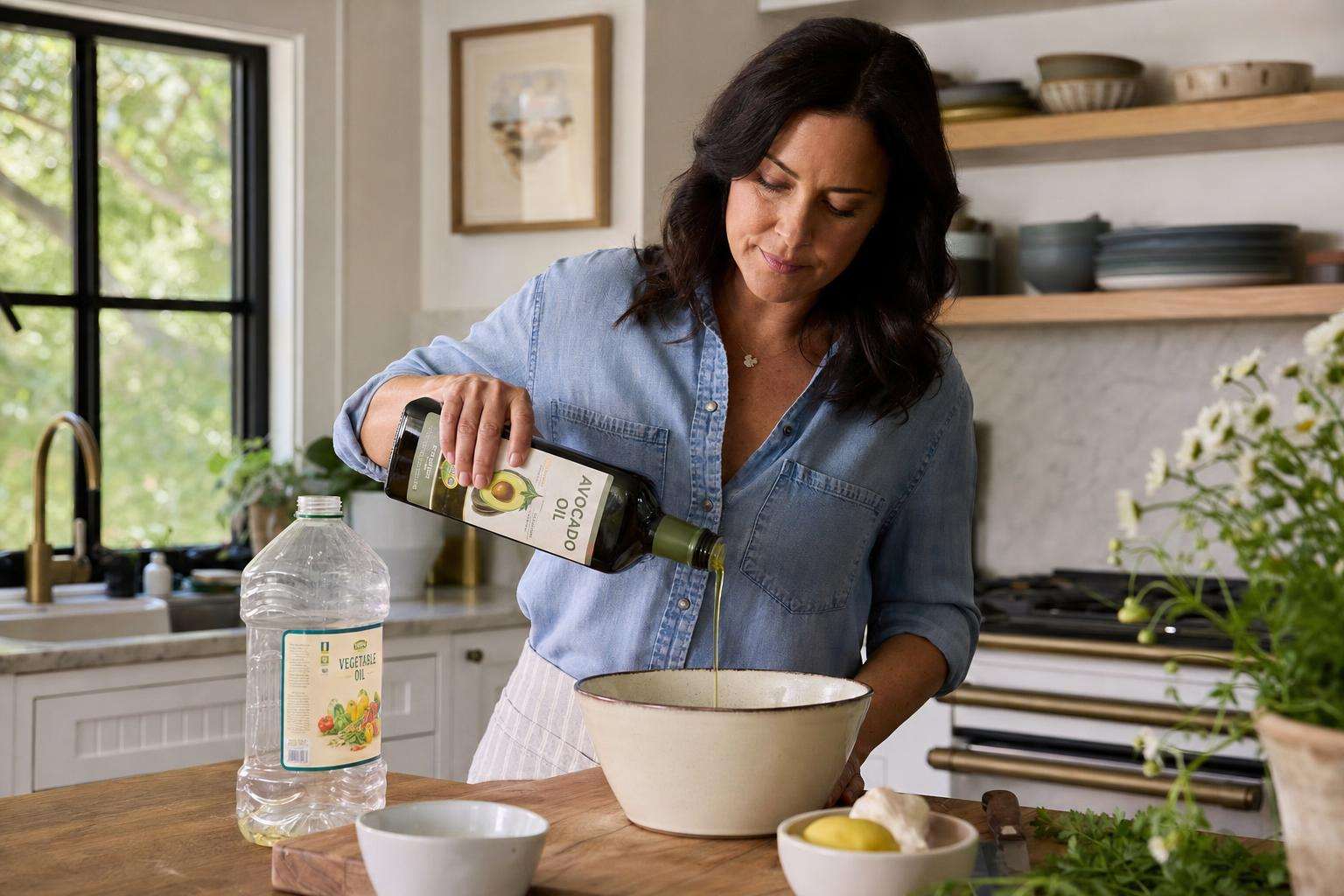
seed oilsolive oilfry oildiet patterncooking fat
Bottom line
Pattern → fry-oil quality → home heat match → optional purism last.
- Improve overall dietary pattern before oil purity contests — Cardiometabolic outcomes track patterns (vegetables, fiber, protein quality, UPF load) more than single-oil tribalism.
- Cook more at home with heat-matched fats you enjoy — Home control beats decoding every restaurant fryer while building skills that stick.
- Cut abused industrial fry-oil exposure first — Repeated high-heat reuse is a different exposure class than drizzle fats in home salads.
How we built this guide
Ranked by likely cardiometabolic and practical impact, evidence coherence, and harm of purity-cult extremes—not influencer grocery lists.
- Dose / clinical impact. Likely effect on exposure or health decision quality.
- Evidence base. Agency guidance, trials, or consensus statements.
- Adherence cost. Money, time, and household friction.
- Harm of misuse. Whether bad execution creates new risks.
Key takeaways
- Fix your overall dietary pattern before oil purity
- Cut ultra-processed foods and heavy deep-fry exposure
- At home, match cooking fats to the heat you'll use
- Read labels on packaged foods without ingredient phobia
- Restrict further only if adherence stays high
- Skip seed-oil 'detox' products and fear marketing
Fix your overall dietary pattern before oil purity
Vegetables, protein, fiber, UPF cuts beat bottle wars
Who this is for: Anyone rewriting fat choices for health rather than internet points
Do
- Aligns with guideline-level pattern evidence
- Highest leverage on real outcomes
- Reduces orthorexia and social harm
- Makes later oil swaps incremental not identity-defining
Watch out
- Less viral than bottle-shaming; requires broader habit change
Cut ultra-processed foods and heavy deep-fry exposure
Industrial fry cycles ≠ home drizzle
Who this is for: People with frequent fried/UPF intake seeking high-yield cuts
Do
- Targets high-heat, high-frequency exposures
- Improves multiple diet quality factors at once
- No specialty shopping required
- Clarifies industrial vs home cooking distinction
Watch out
- Restaurant transparency is limited; travel and social meals need flexibility
At home, match cooking fats to the heat you'll use
Olive, avocado, and appropriate fats for the job
Who this is for: Home cooks ready to optimize after pattern work
Do
- Improves home cooking quality and adherence
- Reduces smoking-oil kitchen mistakes
- Compatible with Mediterranean-style patterns
- Practical without purity extremism
Watch out
- Smoke-point internet charts oversimplify; individual products vary
Read labels on packaged foods without ingredient phobia
Scan pattern of the package, not one word
Who this is for: Households buying many packaged foods
Do
- Builds transferable grocery skills
- Avoids single-ingredient tunnel vision
- Helps kids and partners share standards
- Detects clean-halo junk foods
Watch out
- Time cost at store; imperfect restaurant information
Restrict further only if adherence stays high
Personal experiments need exit criteria
Who this is for: Adults with strong foundational patterns seeking optional refinement
Do
- Allows personal preference without universal mandate
- Time-boxing reduces permanent orthorexia drift
- Keeps labs and QOL as success metrics
- Defers to clinical MNT when present
Watch out
- Easy to over-elevate into identity; social and cost downsides
Skip seed-oil 'detox' products and fear marketing
No binder tea replaces pattern work
Who this is for: Readers exiting seed-oil panic content ecosystems
Do
- Stops wasted spend on cleanse products
- Reduces fear-based disordered eating risk
- Points money toward real food quality
- Encourages primary-source literacy
Watch out
- Requires resisting high-emotion media; social feeds push fear
Frequently asked
Should I eliminate all seed oils completely?
Not as a universal rule. Linoleic acid is essential, and overall dietary pattern usually matters more than absolute zero of a fat class. Prioritize cutting ultra-processed foods and abused fryer meals, then optimize home cooking fats. Extreme purism can raise cost and orthorexia risk without clear added benefit for everyone.
What oil should I cook with at home?
Choose fats you will use consistently and match roughly to heat: olive oil is a strong default for many Mediterranean-style patterns at low-to-medium heat; higher-heat cooking needs oils that you do not smoke. Flavor and adherence beat perfect internet charts. Store oils well and avoid endlessly reusing deep-fry oil at home.
Are restaurant fried foods the main issue?
For many people, frequent deep-fried and ultra-processed meals dominate problematic exposures compared with a spoon of oil in home vegetables. You cannot always know fryer oil quality, so frequency reduction is the practical lever. Occasional fried foods inside a strong pattern differ from daily fryer habits.
Is “seed oil free” packaged food automatically healthy?
No. Products can be free of certain oils and still high in refined starch, sugar, and energy density. Read the whole package pattern. Clean-halo marketing is common. Whole foods and home cooking remain higher leverage than collecting specialty snack brands. Confirm details with a qualified clinician or primary guidance document when your situation is high-stakes.
Do I need a detox after eating seed oils?
No. There is no credible seed-oil detox tea or binder protocol that replaces dietary pattern improvement. Your body metabolizes dietary fats through normal physiology. Spend attention on vegetables, protein, fiber, and cooking habits—not cleanse funnels that monetize fear. Confirm details with a qualified clinician or primary guidance document when your situation is high-stakes.