Nutrition
Buying Seasonal Produce: Practical Rules (2026)
Peak flavor and value in season, frozen backups year-round, Dirty Dozen selectivity—without detox calendars.
seasonal producefrozen backupmarket valuewash producebudget organic
Bottom line
Peak value in season, frozen year-round, selective organic—no detox calendars.
- Peak-season fresh for flavor/value + frozen for gaps — Combines quality, budget, and year-round vegetable adherence without perfectionism.
- Frozen plain vegetables and fruit without sauce sugar — Often picked ripe, less waste, predictable pricing—ideal midwinter anchors.
- Selective organic on higher-residue list items only — Spend organic dollars where they matter; buy conventional Clean Fifteen-class items without guilt.
How we built this guide
Ranked by adherence, cost per nutrient, waste reduction, and evidence-aligned residue prioritization—not aesthetics of market baskets.
- Dose / clinical impact. Likely effect on exposure or health decision quality.
- Evidence base. Agency guidance, trials, or consensus statements.
- Adherence cost. Money, time, and household friction.
- Harm of misuse. Whether bad execution creates new risks.
Key takeaways
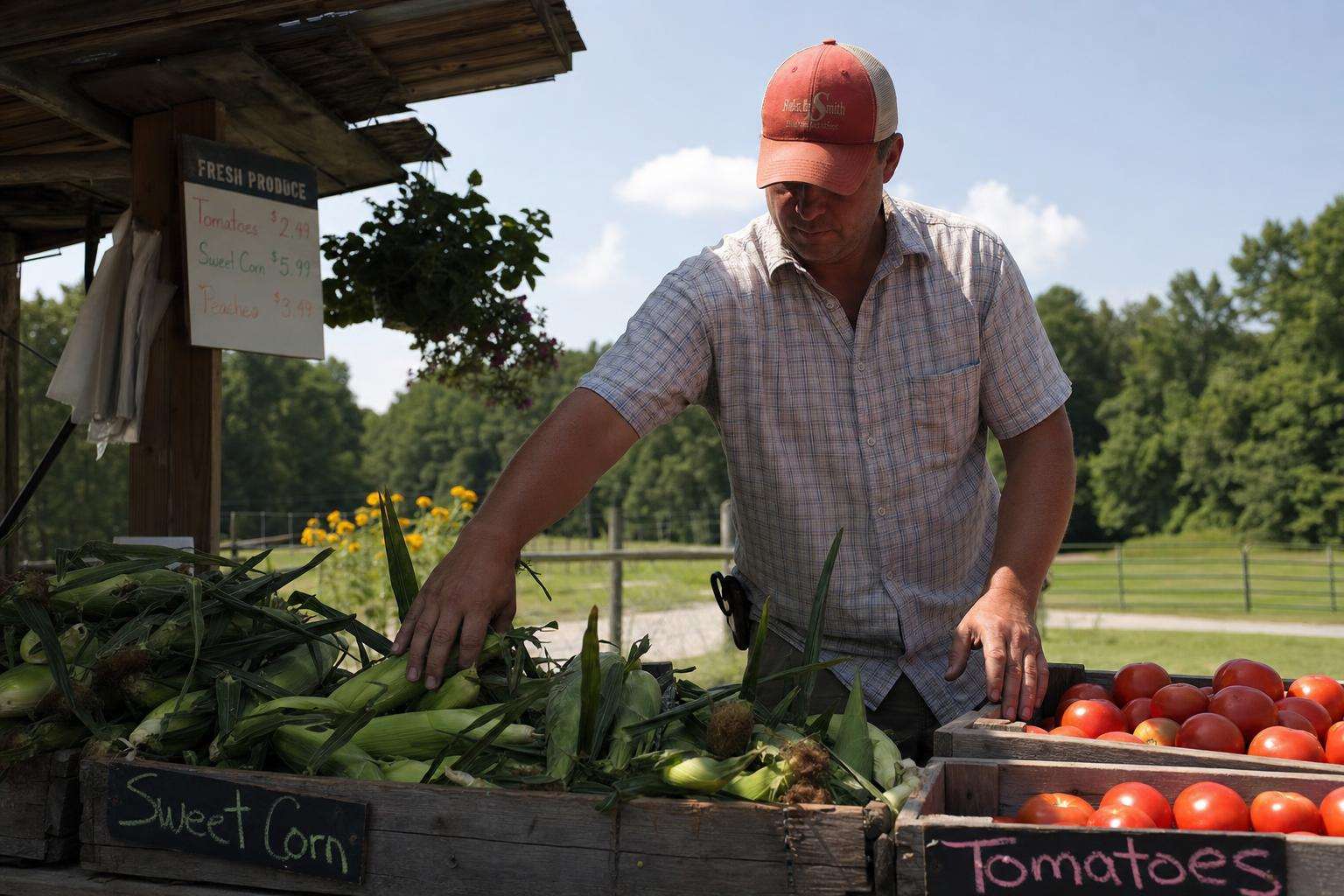
- Buy peak-season local or regional produce for value and flavor
- Keep plain frozen produce as a year-round backbone
- Wash all produce under running water, organic included
- Spend the organic budget using residue-priority lists
- Buy only what you'll prep, and store to cut waste
- Anchor produce to protein and energy, not detox plates
Buy peak-season local or regional produce for value and flavor
In-season usually means better price and ripeness odds
Who this is for: Households cooking regularly who want better produce ROI
Do
- Improves flavor-driven adherence
- Often better unit prices
- Teaches regional food literacy
- Reduces boring-produce abandonment
Watch out
- Calendars vary by region; not all markets label origin clearly
Keep plain frozen produce as a year-round backbone
Frozen is not second-class nutrition for most goals
Who this is for: Busy households and winter cooks
Do
- Year-round availability and price stability
- Low waste relative to forgotten fresh
- Strong micronutrient retention for many items
- Speeds weeknight cooking
Watch out
- Texture differs for some dishes; freezer space required
Wash all produce under running water, organic included
Residue and soil reduction is mechanical first
Who this is for: Every household handling fresh produce
Do
- Free and universal
- Applies to organic and conventional
- Supports food-safety hygiene
- Simple household standard
Watch out
- Does not eliminate systemic pesticides absorbed internally; not a sterility guarantee
Spend the organic budget using residue-priority lists
Dirty Dozen-class focus, Clean Fifteen defaults
Who this is for: Budget-conscious shoppers with residue preferences
Do
- Maximizes residue-priority dollars
- Preserves total produce volume
- Compatible with seasonal price dips
- Avoids organic halo on junk food
Watch out
- Lists are heuristics; certification and farming practices vary
Buy only what you'll prep, and store to cut waste
Uneaten organic still fails the health ROI test
Who this is for: Households who currently waste fresh produce
Do
- Improves effective nutrition per dollar
- Reduces household food waste
- Calibrates future shopping quantities
- Works with seasonal bulk opportunities
Watch out
- Requires minimal planning habit; busy weeks need frozen fallback
Anchor produce to protein and energy, not detox plates
Produce volume + protein beats juice cleanses
Who this is for: Anyone building seasonal meals for real satiety
Do
- Improves satiety and adherence
- Prevents under-fueled produce-only phases
- Aligns with balanced MyPlate-style patterns
- Rejects detox calendar culture
Watch out
- Requires slightly broader shopping list discipline
Frequently asked
Is frozen produce less healthy than fresh?
For most everyday nutrition goals, plain frozen produce is excellent—often frozen at peak ripeness with less spoilage waste. Avoid heavy sauces and sugar-added fruit. Combine frozen with peak-season fresh when available for texture and variety. The best produce is the produce you actually eat consistently.
Do I need to buy all organic fruits and vegetables?
No. Total produce intake matters more than universal organic labels. If budget is limited, prioritize organic on higher-residue items you eat often and buy conventional on lower-residue staples. Always wash produce. Do not reduce vegetable intake just to afford organic stickers. Confirm details with a qualified clinician or primary guidance document when your situation is high-stakes.
How do I know what is in season where I live?
Use regional guides, grocery seasonal displays, farmers-market peaks, and unit-price signals. National lists help but miss local climate. Track a simple monthly note of what tasted best and cost least. Imports still fill gaps—seasonality is a value tool, not a purity test.
Should I follow a seasonal detox diet each quarter?
No. Seasonal buying is about flavor, cost, and adherence—not cleansing mythology. Keep protein and energy adequate year-round. If you enjoy seasonal themes, use them to add produce variety, not to under-eat or buy unvalidated cleanse products. Confirm details with a qualified clinician or primary guidance document when your situation is high-stakes.
What is the fastest way to waste less produce?
Shop with two to three planned meals, lean on frozen backups midweek, store visibly, and freeze surplus. Cook soft produce into soups, eggs, and smoothies. Track one week of trash to recalibrate quantities. Waste reduction often saves more than chasing tiny unit-price differences.