Evidence-dense health optimization

Health Canon

Nutrition

Eating Seasonally: Practical Rules (2026)

How to use seasons for produce quality and budget without dogma, detox calendars, or nutrient panic.
14 MIN READ 3 SOURCES
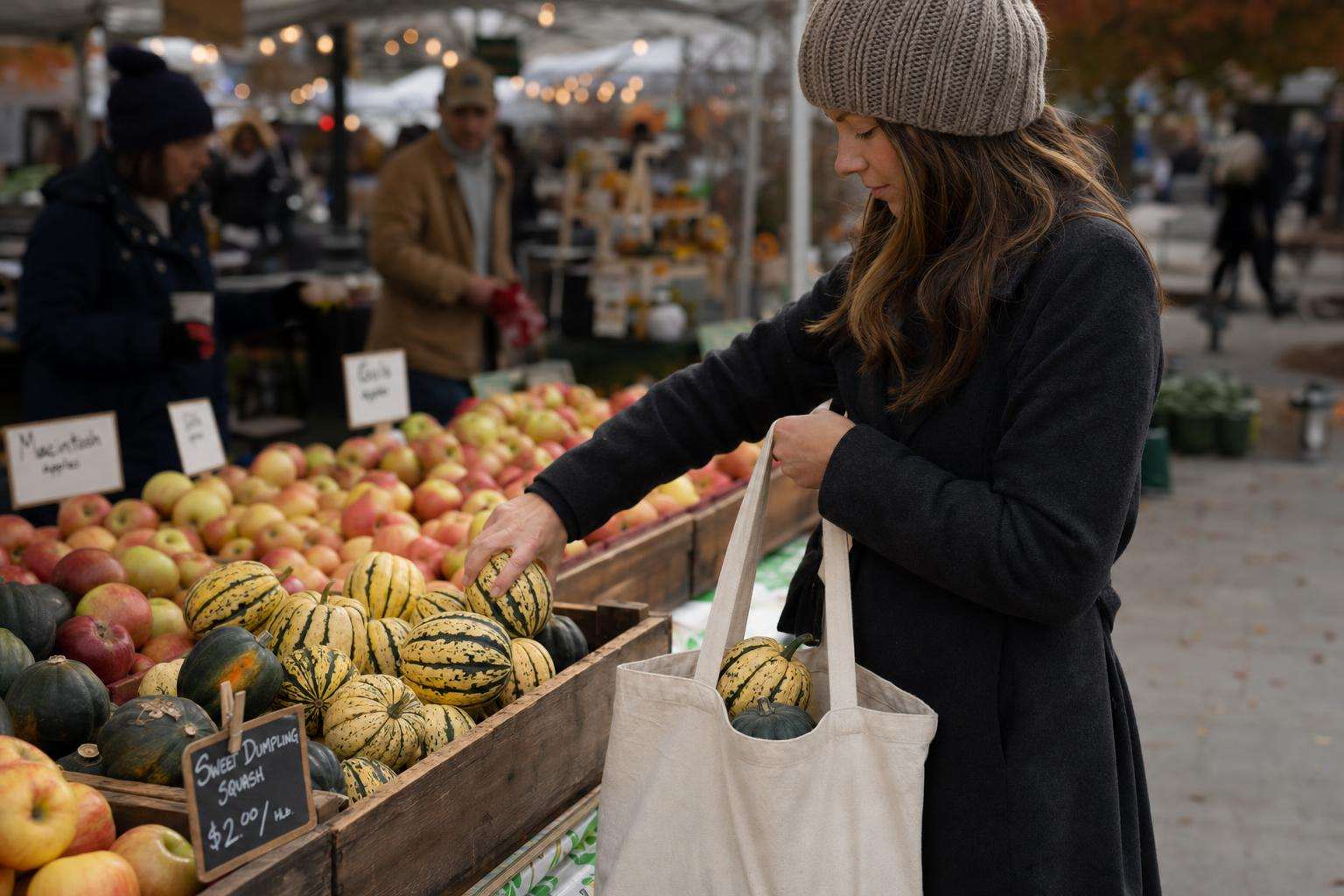
Nutrition Seasonal vegetables and fruits arranged on a wooden table, no people
Illustration: Health Canon

peak producefrozenbudgetwasteprotein

Bottom line

Peak produce value, frozen backups—no seasonal detox cult.

  • Buy peak-in-season produce for flavor and unit price, then cook simply — Taste and cost drive adherence more than rigid calendars.
  • Keep frozen vegetables as equal citizens in meal planning — Nutrition retention is solid; waste drops; off-season gaps close.
  • Winter citrus/cabbage/root mixes + frozen berries/greens + canned beans — Maintains produce volume without summer-price strawberries daily.

How we built this guide

Ranked by adherence, cost, food waste reduction, and nutrient pattern stability—without seasonal moralizing.

  • Dose / clinical impact. Likely effect on exposure or health decision quality.
  • Evidence base. Agency guidance, trials, or consensus statements.
  • Adherence cost. Money, time, and household friction.
  • Harm of misuse. Whether bad execution creates new risks.

Key takeaways

  1. Prioritize peak produce for taste and lower unit price
  2. Treat frozen produce as nutritionally respectable
  3. Keep protein anchors steady across the seasons
  4. Buy seasonal in bulk only with a use-or-preserve plan
  5. Skip seasonal 'detox' and cleanse calendars
  6. Stay flexible when traveling across seasons and regions

Prioritize peak produce for taste and lower unit price

Adherence follows flavor

Produce in true local peak often tastes better and costs less per edible serving, which raises the odds you will actually eat it. Ranked first as the core seasonal strategy. Check unit prices and spoilage risk—not only romantic market displays. Learn two to four peak items each season and rotate recipes rather than memorizing encyclopedic calendars. Imported off-season berries can still fit budgets occasionally; the rule is prioritization, not purity. Farmers markets help for some items; grocery seasonal endcaps help for others. Waste from overbuying “pretty” seasonal boxes defeats the purpose—buy what you will cook within days or preserve. Pair with simple preparations: roast, sauté, raw, soup. This is logistics for higher produce intake, not a spirituality. Document changes and reassess after several weeks so habits stick rather than cycling novelty. Coordinate with household members when shared products or schedules determine adherence. Prefer primary agency and clinical guidance over social-media summaries when stakes are high.

Who this is for: Households wanting more produce without boredom

Do

  • Improves taste-driven adherence
  • Often lowers cost per serving
  • Simple skill: few items per season
  • Reduces aspirational waste when portioned right

Watch out

  • Peak timing varies by region and year

Treat frozen produce as nutritionally respectable

Freezer aisle is seasonal insurance

Frozen vegetables and fruits are typically picked ripe and frozen quickly, often retaining nutrients well compared with fresh produce that sits long in transit and fridges. Ranked best-value because they stabilize year-round intake, cut waste, and reduce prep time. Keep bagged spinach, broccoli, mixed vegetables, and berries as defaults. Watch sauces and desserts that add sugar and cream—plain frozen is the workhorse. Canned tomatoes and beans similarly extend seasonal cooking. This rule defeats the false hierarchy that only farmers-market lettuce “counts.” For blenders and soups, frozen is often superior. Label freezer dates. Combine frozen greens with eggs or legumes for fast meals when fresh wilts. Document changes and reassess after several weeks so habits stick rather than cycling novelty. Coordinate with household members when shared products or schedules determine adherence. Prefer primary agency and clinical guidance over social-media summaries when stakes are high. Escalate to a qualified clinician when red-flag symptoms appear rather than indefinite self-experimentation.

Who this is for: Busy households and winter climates

Do

  • Year-round produce volume
  • Low waste
  • Budget stable
  • Fast cooking

Watch out

  • Texture differs; not ideal for every salad application

Keep protein anchors steady across the seasons

Produce rotates; protein should not vanish

Seasonal menus fail when summer grazing becomes chips and fruit only, or winter becomes cheese-and-pastry without produce. Ranked high: eggs, dairy or alternatives, legumes, fish, tofu, and meats (as preferred) stay constant while plants rotate. Plan protein first in meal templates, then slot seasonal sides. Holiday seasons need the same rule to avoid under-protein grazing. Athletes tracking training should not let farmers-market aesthetics displace grams of protein. Batch-cook beans and grains as seasonal produce changes. This stabilizes satiety and glycemic patterns. Leftover protein plus peak vegetables is the formula. Revisit organic budget rules so logos do not erase protein spend. Document changes and reassess after several weeks so habits stick rather than cycling novelty. Coordinate with household members when shared products or schedules determine adherence. Prefer primary agency and clinical guidance over social-media summaries when stakes are high. Escalate to a qualified clinician when red-flag symptoms appear rather than indefinite self-experimentation. Spend first dollars and attention on the highest-yield steps; optional upgrades come later.

Who this is for: Active families and anyone meal-prepping

Do

  • Protects satiety year-round
  • Simplifies meal templates
  • Training-compatible
  • Holiday-proofing

Watch out

  • Requires minimal planning habit

Buy seasonal in bulk only with a use-or-preserve plan

Case discounts die in the trash

Buying a case of peak peaches without refrigeration space or jam plans creates waste that erases cost savings and environmental intent. Ranked mid-pack as operational discipline: portion, freeze, can (safely), or share. Know fridge humidity drawers and ethylene rules at a basic level. Compost is better than landfill but worse than eating the food. Apps and shared fridges help some communities. Restaurants and CSAs need the same honesty—skip boxes that exceed cooking capacity. Track weekly waste once to calibrate order sizes. This rule makes seasonal eating actually thrifty. Pair with simple freezer flat-packs for berries and blanched vegetables. Document changes and reassess after several weeks so habits stick rather than cycling novelty. Coordinate with household members when shared products or schedules determine adherence. Prefer primary agency and clinical guidance over social-media summaries when stakes are high. Escalate to a qualified clinician when red-flag symptoms appear rather than indefinite self-experimentation. Spend first dollars and attention on the highest-yield steps; optional upgrades come later.

Who this is for: Market and CSA shoppers

Do

  • Preserves cost savings
  • Cuts food waste
  • Scales bulk buys sanely
  • Teaches kitchen ops

Watch out

  • Preservation skills have a learning curve

Skip seasonal 'detox' and cleanse calendars

Spring does not require juice punishment

Marketing maps cleanses onto equinoxes and “new year, new gut” cycles without medical need. Ranked as harm reduction: extreme restriction impairs training, social eating, and sometimes electrolytes. Seasonal eating means produce selection, not purging. If you want a reset, use evidence-based patterns—more plants, protein, walking—not cayenne rituals. Medical elimination diets for diagnosed conditions are different and clinician-guided. Alcohol moderation after holidays is reasonable; calling it a liver detox cleanse is not precise. Keep mental-health awareness around orthorexic seasonal rules. This clears cultural noise so practical produce logistics remain. Document changes and reassess after several weeks so habits stick rather than cycling novelty. Coordinate with household members when shared products or schedules determine adherence. Prefer primary agency and clinical guidance over social-media summaries when stakes are high. Escalate to a qualified clinician when red-flag symptoms appear rather than indefinite self-experimentation. Spend first dollars and attention on the highest-yield steps; optional upgrades come later. Keep records of labs, product labels, and exposures so trends are visible across visits.

Who this is for: Readers targeted by seasonal cleanse ads

Do

  • Blocks harmful restriction cycles
  • Separates medical diets from marketing
  • Supports sustainable patterns
  • Holiday-to-January harm reduction

Watch out

  • Some cultural food traditions are meaningful—critiques target commercial cleanses

Stay flexible when traveling across seasons and regions

Local peak beats home calendar dogma

Flying from a northern winter into tropical produce abundance should update your shopping list; clinging to a home-printed seasonal chart is cargo cult behavior. Ranked last as adaptive literacy. Restaurants abroad may feature local peak items—use them. Food safety rules still apply (water, raw produce washing). Hotel breakfasts can still hit protein and fruit. Jet lag affects appetite; plan simple meals. Import rules and agricultural restrictions matter for bringing produce across borders—usually just eat local instead. This rule keeps seasonal eating joyful and anti-dogmatic. Capture two new recipes per trip to expand home rotation. Document changes and reassess after several weeks so habits stick rather than cycling novelty. Coordinate with household members when shared products or schedules determine adherence. Prefer primary agency and clinical guidance over social-media summaries when stakes are high. Escalate to a qualified clinician when red-flag symptoms appear rather than indefinite self-experimentation. Spend first dollars and attention on the highest-yield steps; optional upgrades come later.

Who this is for: Travelers and multi-climate households

Do

  • Prevents rigid calendar failure
  • Improves travel nutrition
  • Encourages culinary variety
  • Respects local agriculture

Watch out

  • Tourist pricing can still be high—budget consciously

Frequently asked

Is off-season produce unhealthy?

Not inherently. Global supply chains and greenhouses provide safe produce year-round for most shoppers. Seasonal buying is mainly about flavor, cost, and waste—not a toxicity binary. Confirm details with a qualified clinician or primary guidance document when your situation is high-stakes. Confirm details with a qualified clinician or primary guidance document when your situation is high-stakes.

Are frozen vegetables less nutritious?

Often comparable, sometimes better than fresh that has aged. Choose plain frozen items and watch added sauces. They are excellent for year-round intake and reduced waste. Confirm details with a qualified clinician or primary guidance document when your situation is high-stakes. Confirm details with a qualified clinician or primary guidance document when your situation is high-stakes.

Do I need a CSA to eat seasonally?

No. Grocery seasonal sales, frozen staples, and simple recipes achieve most benefits. CSAs help some households and overwhelm others—match volume to cooking capacity. Confirm details with a qualified clinician or primary guidance document when your situation is high-stakes. Confirm details with a qualified clinician or primary guidance document when your situation is high-stakes.

How do I handle winter produce boredom?

Lean on cabbage family vegetables, roots, citrus, stored apples, onions, garlic, canned tomatoes, frozen berries, herbs, and spices. Rotate cuisines and cooking methods. Confirm details with a qualified clinician or primary guidance document when your situation is high-stakes. Confirm details with a qualified clinician or primary guidance document when your situation is high-stakes.

Should seasonal eating be organic only?

Not required. Use selective organic rules if desired, but do not let certification purity reduce total produce intake. Wash all produce. Confirm details with a qualified clinician or primary guidance document when your situation is high-stakes. Confirm details with a qualified clinician or primary guidance document when your situation is high-stakes.