Nutrition
Smart Organic Grocery Shopping: The Rules (2026)
Budget-ranked organic rules: prioritize Dirty Dozen-class produce, default Clean Fifteen conventional, use frozen, wash all produce, ignore halo marketing.
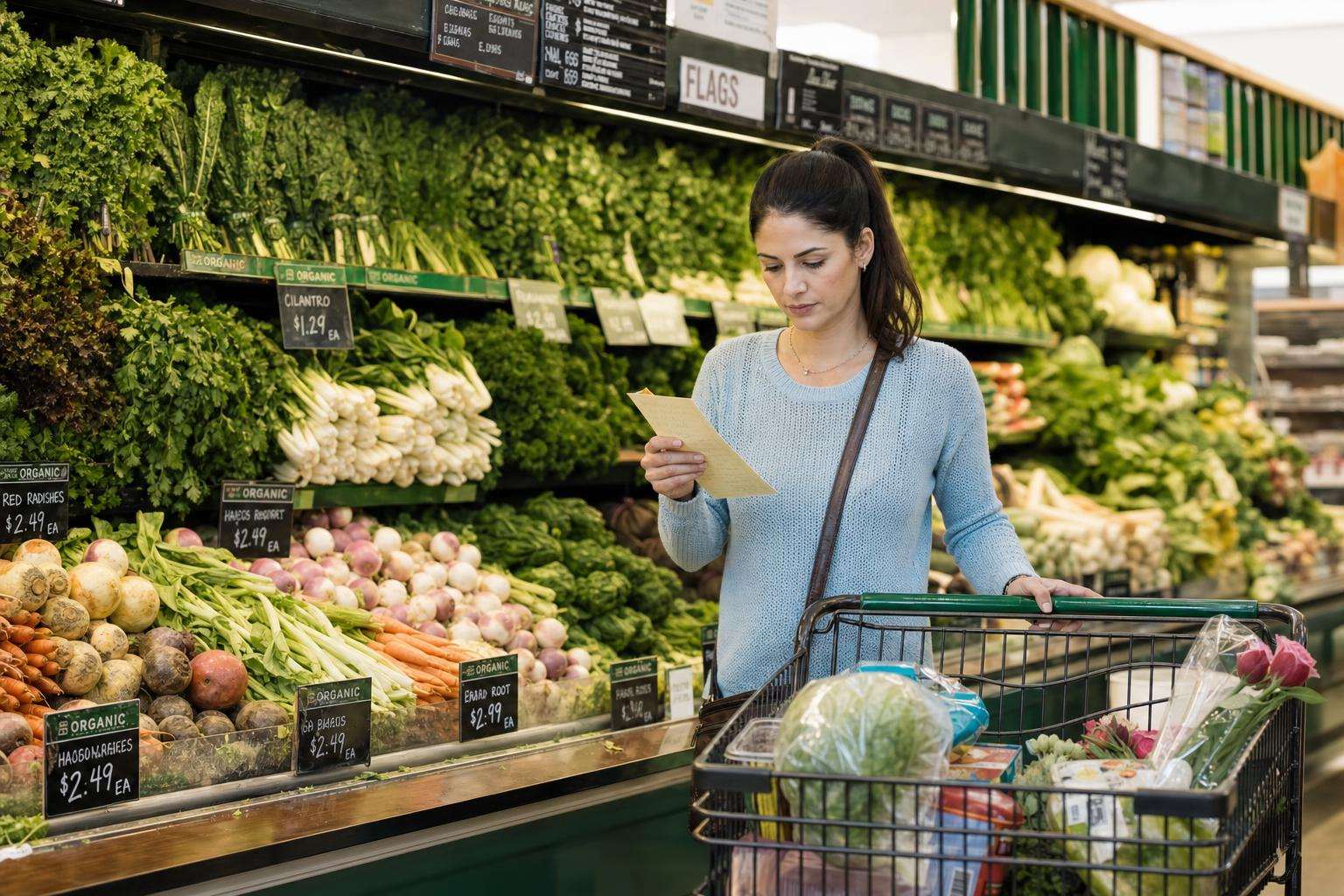
Dirty DozenClean Fifteenfrozenwash produceUSDA Organic
Bottom line
Selective organic, wash everything, eat plants—ignore halo cookies.
- Prioritize organic budget on higher-residue produce classes — Selective spending captures most preference-driven residue reduction without organic-everything pricing.
- Wash all produce under running water — Free step that reduces dirt, microbes, and some surface residues regardless of organic label.
- Default Clean Fifteen-style conventional + frozen — Lower-cost produce keeps volume high—overall diet quality usually beats organic scarcity.
How we built this guide
Ranked shopping rules by budget leverage, residue-priority heuristics, food-safety basics, and resistance to organic-halo ultra-processed marketing.
- Dose / clinical impact. Likely effect on exposure or health decision quality.
- Evidence base. Agency guidance, trials, or consensus statements.
- Adherence cost. Money, time, and household friction.
- Harm of misuse. Whether bad execution creates new risks.
Key takeaways
- Spend organic dollars on higher-residue produce first
- Default to conventional on typically low-residue produce
- Wash all produce under running water before eating
- Use frozen organic for berries and out-of-season items
- Apply separate rules to meat, dairy, and eggs
- Ignore the organic halo on ultra-processed junk
Spend organic dollars on higher-residue produce first
Selective beats organic-everything
Who this is for: Budget-conscious shoppers who still want selective organic
Do
- Maximizes residue-preference impact per dollar
- Preserves produce volume
- Teaches frequency-weighted thinking
- Updates as lists evolve
Watch out
- List methodologies debated; not a toxicity proof for conventional items
Default to conventional on typically low-residue produce
Thick peels and low-list items save money
Who this is for: Households maximizing plant volume per dollar
Do
- Protects grocery budget
- Maintains produce diversity
- Sale-flexible
- Personalizes via frequency lists
Watch out
- Not zero-residue; peels discard nutrients sometimes
Wash all produce under running water before eating
Organic is not pre-washed magic
Who this is for: Every household
Do
- Near-free food safety
- Applies to all label types
- Supported by FDA consumer guidance
- Family-teachable
Watch out
- Does not remove systemic pesticides inside tissues; soft fruit limits
Use frozen organic for berries and out-of-season items
Frozen often wins price and waste
Who this is for: Berry-heavy households and meal preppers
Do
- Cost control on priority organic items
- Reduces waste
- Stabilizes year-round intake
- Nutrient-practical for cooking
Watch out
- Freezer space; some products have additives
Apply separate rules to meat, dairy, and eggs
Organic ≠ grass-fed ≠ antibiotic-free wording chaos
Who this is for: Omnivorous households decoding multi-claim packages
Do
- Prevents produce heuristics misapplied to meat
- Improves label literacy
- Allows frequency-based spending
- Keeps food safety primary
Watch out
- Claim landscape confusing; nutrition deltas often small
Ignore the organic halo on ultra-processed junk
Organic sugar is still sugar
Who this is for: Shoppers tempted by organic packaged snacks
Do
- Defends metabolic diet quality
- Saves premium budget for high-value swaps
- Teaches panel literacy
- Resists marketing
Watch out
- Easy to moralize treats excessively; social occasions exist
Frequently asked
Is organic produce more nutritious?
Differences in vitamins and minerals are often small and inconsistent across studies. The bigger nutrition win is eating more fruits and vegetables total. Choose organic selectively for preference or residue priorities without letting cost cut total produce intake. Confirm details with a qualified clinician or primary guidance document when your situation is high-stakes.
Does washing remove all pesticides?
Washing reduces dirt, microbes, and some surface residues but cannot remove all systemic residues inside plant tissues. It is still recommended for organic and conventional produce. Peeling helps for some items at the cost of fiber in skins. Confirm details with a qualified clinician or primary guidance document when your situation is high-stakes.
Are Dirty Dozen lists official EPA rankings?
No. Popular consumer lists compile residue detection data with their own methods and are not the same as EPA tolerance enforcement. Use them as optional budgeting heuristics, not as legal verdicts on food safety. Confirm details with a qualified clinician or primary guidance document when your situation is high-stakes.
Is the USDA Organic seal meaningful?
Yes as a production and process certification with defined rules, audits, and prohibited inputs. It is not a medical claim and does not make ultra-processed organic foods automatically healthy. Read both the seal and the Nutrition Facts panel. Confirm details with a qualified clinician or primary guidance document when your situation is high-stakes.
Should I avoid conventional produce entirely?
Generally no. Avoiding produce over residue fear often worsens diet quality. Wash produce, vary items, and use selective organic purchases if desired. People with specific clinical advice should follow their clinicians. Confirm details with a qualified clinician or primary guidance document when your situation is high-stakes.