Nutrition
Buying Organic Dairy and Meat: Practical Rules (2026)
Budget rules for organic milk, eggs, and meat—where labels matter, where protein density wins, no halo junk.
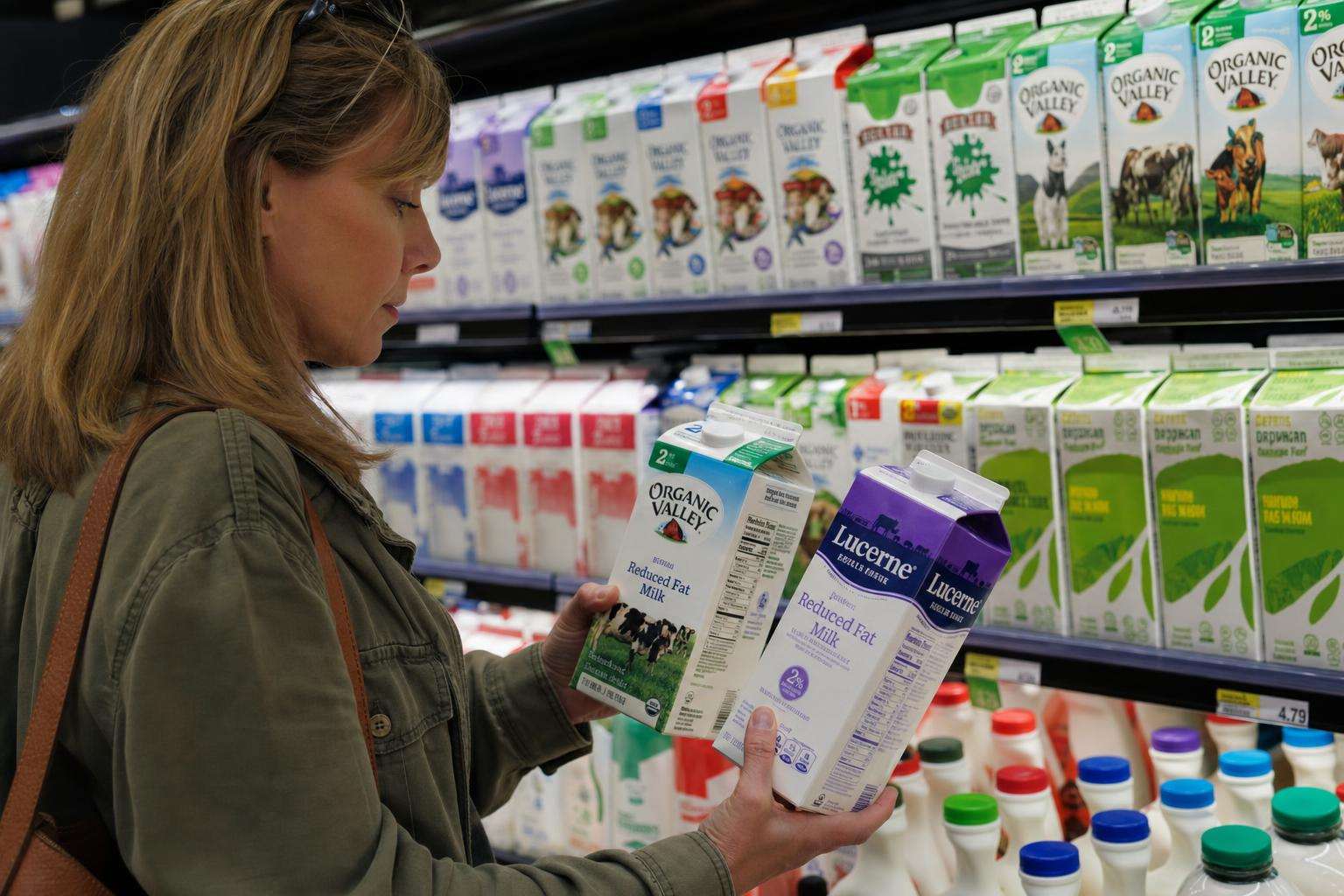
USDA Organicdairymeateggsbudget
Bottom line
Selective organic, protein first, label literacy—no halo junk meats.
- Prioritize total protein pattern and food safety over seal perfectionism — Meeting protein needs with safe handling beats empty carts waiting for ideal labels.
- Selective organic dairy/eggs before boutique steaks if budget is tight — Frequent foods dominate chronic exposure and spend share for many households.
- Default safe conventional + organic where easy/on sale; skip organic cookies — Reduces decision fatigue while avoiding halo junk.
How we built this guide
Ranked by budget leverage, label honesty, nutrition fundamentals, and harm of purity-driven under-eating protein.
- Dose / clinical impact. Likely effect on exposure or health decision quality.
- Evidence base. Agency guidance, trials, or consensus statements.
- Adherence cost. Money, time, and household friction.
- Harm of misuse. Whether bad execution creates new risks.
Key takeaways
- Hit your protein needs with foods you'll actually cook
- Learn what USDA Organic means versus marketing words
- Spend the organic premium on high-frequency dairy and eggs first
- Apply food-safety handling to organic and conventional alike
- Remember organic processed meat is still processed
- Separate ethics, environment, and personal-health claims
Hit your protein needs with foods you'll actually cook
Seals do not replace grams
Who this is for: Most households
Do
- Prevents under-eating protein
- Works across budgets
- Reduces perfection paralysis
- Compatible with mixed organic strategies
Watch out
- Does not settle every animal-welfare value debate
Learn what USDA Organic means versus marketing words
Words are not interchangeable
Who this is for: Shoppers comparing premium animal foods
Do
- Prevents marketing overpay
- Clarifies certification vs vibe
- Supports value-based shopping deliberately
- Reduces contradictory label stacks
Watch out
- Label schemes still change; re-check periodically
Spend the organic premium on high-frequency dairy and eggs first
Chronic grams beat rare ribeyes
Who this is for: Budget-conscious mixed organic buyers
Do
- Budget-efficient if going partial organic
- Matches exposure frequency intuition
- Easy household rule
- Works with sales shopping
Watch out
- Values-based shoppers may prioritize meat differently—that's OK
Apply food-safety handling to organic and conventional alike
Pathogens ignore seals
Who this is for: All households cooking animal foods
Do
- High impact on acute illness risk
- Applies to all label classes
- Clear actionable habits
- Protects vulnerable household members
Watch out
- Requires consistent kitchen habits
Remember organic processed meat is still processed
Halo is not health
Who this is for: Shoppers attracted to organic snack aisles
Do
- Blocks marketing self-deception
- Improves dietary pattern quality
- Saves premium for better foods
- Consistent with anti-UPF kernels
Watch out
- Occasional treats still fine in context
Separate ethics, environment, and personal-health claims
Three ledgers, not one
Who this is for: Reflective shoppers balancing motives
Do
- Reduces category error in shopping
- Supports deliberate values spending
- Lowers health-claim overreach
- Allows peaceful mixed carts
Watch out
- Does not end ethical debates
Frequently asked
Is organic milk nutritionally far superior?
Organic milk follows different production rules; nutrient differences exist in research literature but are often modest next to overall diet pattern. Choose based on budget, values, and what you will drink. Fortified plant milks differ again—compare protein and micronutrients on the label.
Should all meat I buy be organic?
Not required for a healthy pattern. Prioritize variety, leaner options when indicated, cooking methods, and total diet quality. Use organic selectively if it fits budget and values. Food safety handling remains essential either way. Confirm details with a qualified clinician or primary guidance document when your situation is high-stakes.
Is raw milk safer when organic?
No. Unpasteurized milk can carry dangerous pathogens regardless of organic status. High-risk groups especially should avoid raw milk. Pasteurization is a safety technology, not an anti-farm conspiracy. Confirm details with a qualified clinician or primary guidance document when your situation is high-stakes.
What about grass-fed beef?
Grass-fed is a production claim with variable verification and possible fatty-acid differences of debated clinical magnitude. It can fit values-based shopping; it is not a free pass to unlimited processed red meat. Pattern still dominates. Confirm details with a qualified clinician or primary guidance document when your situation is high-stakes.
Are organic eggs worth it?
Eggs are nutrient-dense either way for many people. Organic/pasture claims may matter for values and some composition differences; budget and cooking frequency matter more than perfection. Do not skip eggs entirely if premium prices block protein intake. Confirm details with a qualified clinician or primary guidance document when your situation is high-stakes.