Metabolic Health
Seed Oils and Inflammation, Metabolism, and Cancer: Endpoint-by-Endpoint Grades
Biomarker metas largely spare dietary n-6 as pro-inflammatory; lipids often improve with n-6; T2D observational signals sometimes favor LA; cancer data inconsistent—fry mutagens are a separate issue.
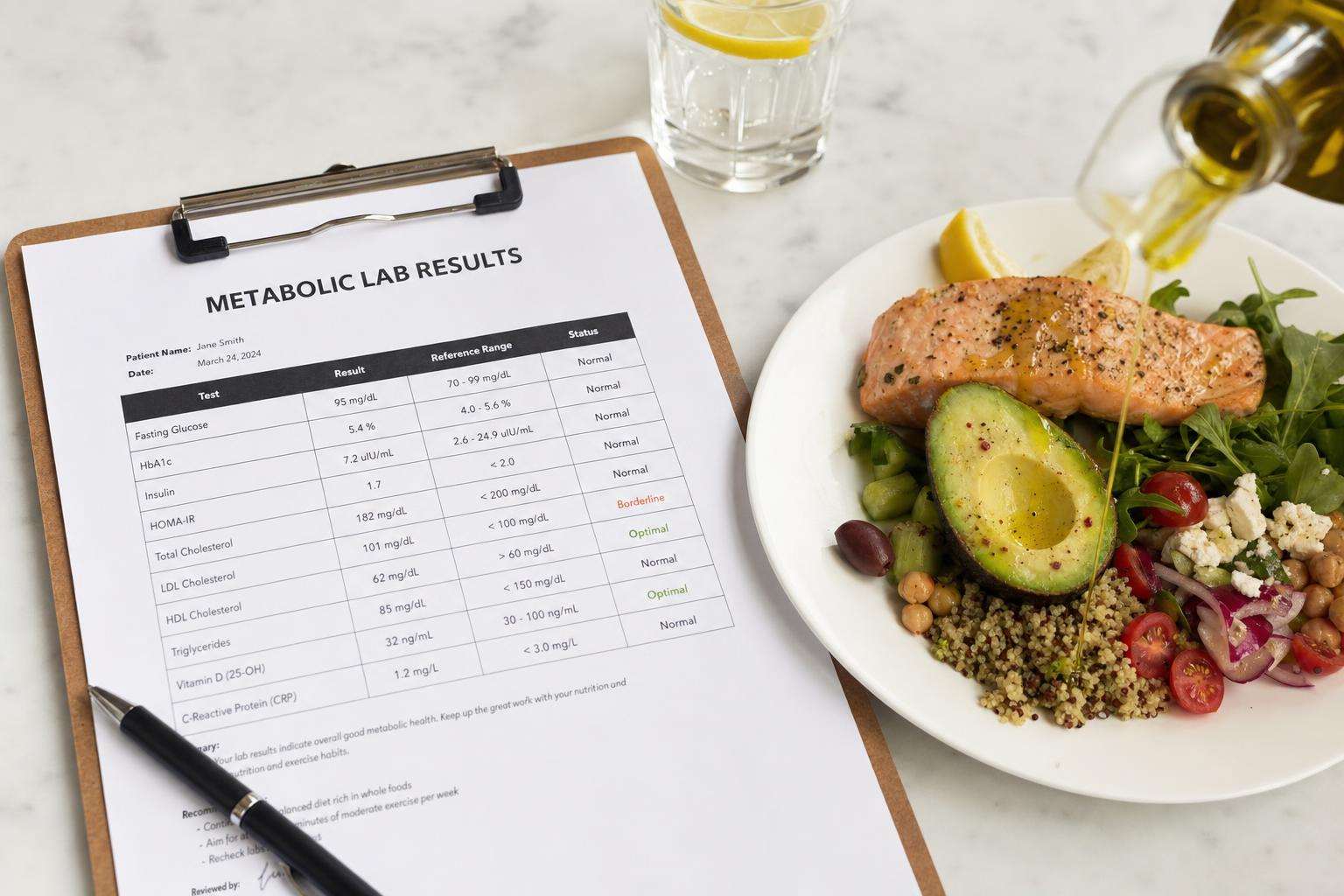
Endpoints: inflammation metas not pro-n-6; lipids often improve with n-6; obesity/cancer not settled against LA. Fry mutagens ≠ essential LA. Grade each endpoint separately.
A single villain narrative cannot survive an endpoint table. Metabolic patients deserve graded claims, not oil astrology.
This article is informational and editorial only. It is not medical advice, diagnosis, or a treatment plan. Numbers and literature ranges cited here are not personal prescriptions. Consult a qualified clinician before changing medications, supplements, diet, equipment, or management of a diagnosed condition. Seek urgent care for emergencies.
Inflammation endpoint
Human metas and RBC fatty-acid studies often refute simple pro-inflammatory LA stories.
Acute postprandial and infection contexts differ from chronic marker panels.
Focus on sleep, adiposity, and dental/infection sources of CRP too.
Metabolic endpoints
Cholesterol lowering with n-6 is relatively consistent.
T2D observational biomarker work sometimes associates higher LA with lower risk—not proof of causation alone.
NAFLD oxidized-lipid hypotheses need human trial confirmation for LA restriction.
| Endpoint | Direction sketch | Grade |
|---|---|---|
| Inflammatory markers | Often neutral/↓ | B |
| Total cholesterol | Often ↓ with n-6 | A/B |
| T2D risk (obs) | Often favorable LA | B |
| Obesity primary cause | Not established | D |
| Total cancer from LA | Inconsistent | C |
Cancer and cooking chemistry
Separate dietary LA epidemiology from HCAs, acrylamide, and polar compounds in abused oils.
Avoid overinterpreting single-site signals.
WCRF-style pattern advice still centers processed meat, alcohol, adiposity—not teaspoon oil purity wars.
Practical metabolic stack
Energy balance; high-fiber unsaturated patterns; fish n-3s; minimize deep-fried UPF.
Fresh oils > oxidized oils.
Labs: ApoB, A1c, liver enzymes as indicated—not oil Instagram.
Sources: Cochrane omega-6 CVD/lipids; Lai 2025 n-6 inflammation biomarkers; AHA 2017 fats advisory.
Readers should dual-source primary literature, translate slogans into exposure units and effect sizes, and rank interventions by expected value under uncertainty. Cheap reversible steps often outrank extreme protocols. Opportunity cost is real: hours spent on unvalidated tests are hours not spent on sleep, training, protein adequacy, and primary care. Sex, life stage, comorbidities, medications, and geography change interpretation. Prefer falsifiable claims with named endpoints over multi-disease cure lists. Update beliefs when stronger trials appear rather than freezing identity around a single paper or influencer narrative. Measured curiosity beats both panic and complacency. Further reading should prioritize primary sources and consensus documents over secondary social summaries. When evidence is mixed, state both the signal and the limits in the same paragraph. When evidence is strong, still avoid overclaiming universality across populations.
Context, dose, endpoint, and population must travel together; slogans that drop any of those four are not finished claims.
Context, dose, endpoint, and population must travel together; slogans that drop any of those four are not finished claims.
Context, dose, endpoint, and population must travel together; slogans that drop any of those four are not finished claims.
Context, dose, endpoint, and population must travel together; slogans that drop any of those four are not finished claims.
Context, dose, endpoint, and population must travel together; slogans that drop any of those four are not finished claims.
Context, dose, endpoint, and population must travel together; slogans that drop any of those four are not finished claims.
Context, dose, endpoint, and population must travel together; slogans that drop any of those four are not finished claims.
Context, dose, endpoint, and population must travel together; slogans that drop any of those four are not finished claims.
Context, dose, endpoint, and population must travel together; slogans that drop any of those four are not finished claims.
Context, dose, endpoint, and population must travel together; slogans that drop any of those four are not finished claims.
Context, dose, endpoint, and population must travel together; slogans that drop any of those four are not finished claims.
Context, dose, endpoint, and population must travel together; slogans that drop any of those four are not finished claims.
Context, dose, endpoint, and population must travel together; slogans that drop any of those four are not finished claims.
Context, dose, endpoint, and population must travel together; slogans that drop any of those four are not finished claims.
Context, dose, endpoint, and population must travel together; slogans that drop any of those four are not finished claims.
Context, dose, endpoint, and population must travel together; slogans that drop any of those four are not finished claims.
Context, dose, endpoint, and population must travel together; slogans that drop any of those four are not finished claims.
Context, dose, endpoint, and population must travel together; slogans that drop any of those four are not finished claims.
Context, dose, endpoint, and population must travel together; slogans that drop any of those four are not finished claims.
Context, dose, endpoint, and population must travel together; slogans that drop any of those four are not finished claims.
Context, dose, endpoint, and population must travel together; slogans that drop any of those four are not finished claims.
Context, dose, endpoint, and population must travel together; slogans that drop any of those four are not finished claims.
Context, dose, endpoint, and population must travel together; slogans that drop any of those four are not finished claims.
Context, dose, endpoint, and population must travel together; slogans that drop any of those four are not finished claims.
Sources & citations
Frequently asked