Metabolic Health
Iron Overload Diet Modifiers: Alcohol, Vitamin C, Shellfish, Supplements
Diet is a modifier, not a cure. Phlebotomy removes ~250 mg iron per unit weekly; diet shifts absorption only a few milligrams per day.
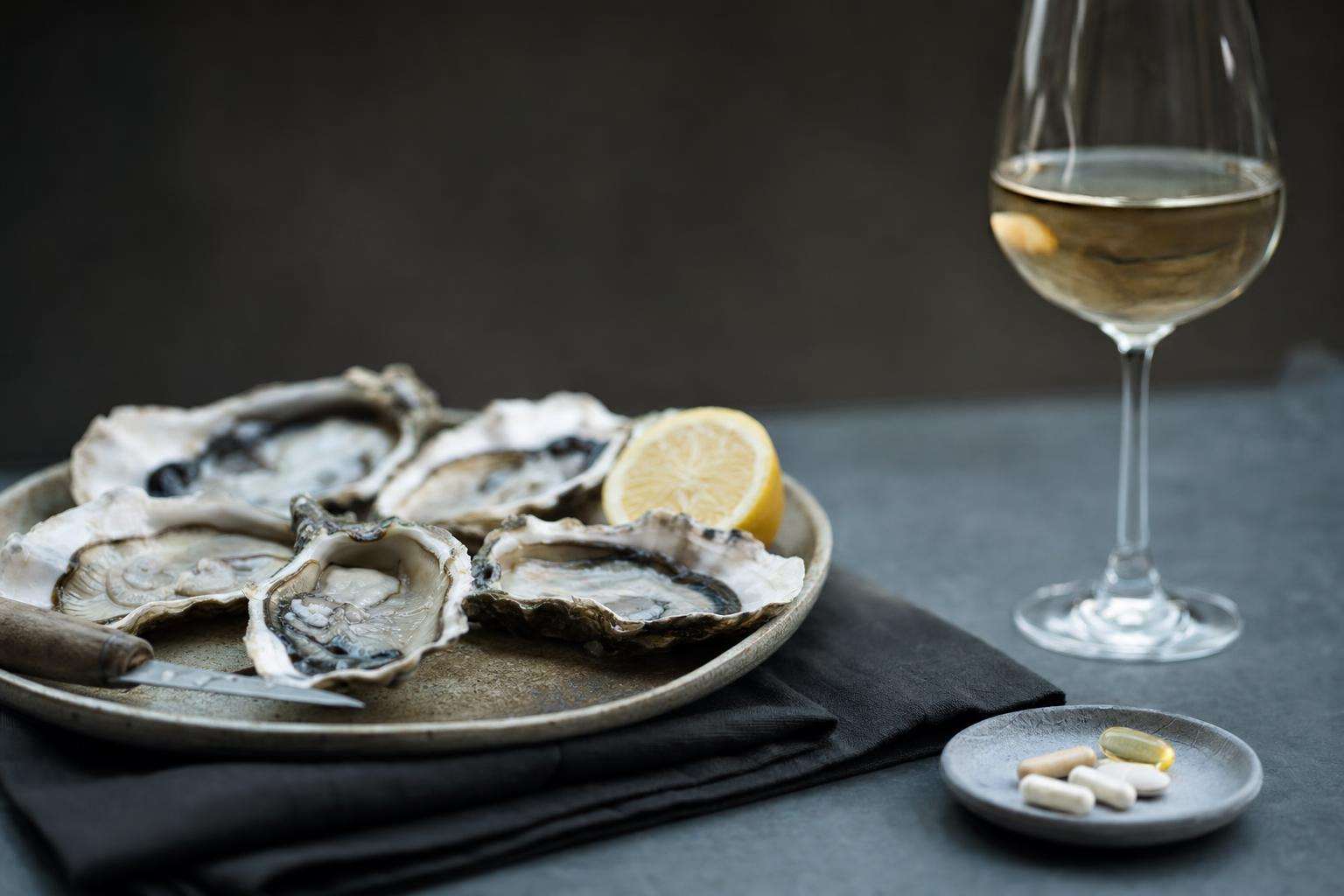
Diet is a modifier, not a cure. Phlebotomy removes ~200–250 mg iron per unit; diet may shift absorption only ~2–4 mg/day. Hard avoidances: iron pills, vitamin C pills, raw shellfish, alcohol (especially with liver disease). Do not starve iron to replace medical unloading.
Wellness culture loves a hemochromatosis meal plan. Guidelines love arithmetic. The arithmetic says blood removal wins; the meal plan still prevents self-inflicted extras that refill stores or injure the liver.
This article is informational and editorial only. It is not medical advice, diagnosis, or a treatment plan. Numbers and literature ranges cited here are not personal prescriptions. Consult a qualified clinician before changing medications, supplements, diet, equipment, or management of a diagnosed condition. Seek urgent care for emergencies.
Why does AASLD say a special low-iron diet is unnecessary?
Recommendation 12 in the AASLD hemochromatosis practice guideline states that dietary adjustments are not necessary for treatment while specifically advising patients to avoid vitamin C supplements and iron supplements. The quantitative contrast is decisive: achievable dietary absorption changes are on the order of a few milligrams per day, while a single therapeutic phlebotomy unit removes roughly a quarter gram of iron from the body.
That is not an argument for careless eating. It is an argument against delaying care for a purist kitchen project. Multi-gram stores accumulated over years will not empty because red meat was swapped for lentils one season. Serial units empty stores; diet reduces the refill rate and collateral risks such as infection and alcohol injury.
Dietary reviews such as Milman 2021 still discuss flexitarian patterns, moderating heme iron, and limiting iron-fortified products as practical adjuncts. Adjunct is the operative word. Malnutrition from extreme zero-iron plans is an avoidable lifestyle injury layered on top of a treatable storage disease.
What are the hard avoidances that actually matter?
Three supplement and infection rules dominate patient education. First, stop iron pills and iron-containing multivitamins once overload is documented. Second, avoid vitamin C supplements during iron loading and active unloading phases because ascorbic acid can accelerate mobilization and oxidative stress in iron-loaded tissue. Third, avoid raw oysters and shellfish because of Vibrio vulnificus risk highlighted by both AASLD and the CDC.
CDC lifestyle bullets also stress alcohol avoidance for liver protection and recommend hepatitis A and B vaccination when appropriate. Those are high-yield, low-mystery interventions compared with boutique iron blocker powders without clinical endpoints or safety data in hereditary overload populations.
| Lever | Approximate iron effect | Role |
|---|---|---|
| Dietary absorption swing | ~2–4 mg/day | Adjunct risk reduction |
| One phlebotomy unit | ~200–250 mg | Primary unloading |
| Weekly induction cadence | Hundreds of mg/week | First-line HFE therapy |
| Iron or vitamin C pills | Adds or accelerates load risk | Hard avoid |
How should alcohol be framed for iron overload?
Iron and alcohol are a cirrhosis multiplier. Guideline narrative cites cohort experience where heavy daily alcohol intake was associated with dramatically higher cirrhosis rates among hemochromatosis patients compared with lower intake. Public messaging from CDC is blunt: no alcohol as a lifestyle point for people managing this disease risk set.
If cirrhosis or significant fibrosis is already present, moderate drinking is not a sophisticated compromise—it is residual hepatotoxin exposure on a loaded liver. For others without advanced disease, strong minimization still belongs in counseling because iron and ethanol share a target organ and a shared pathway to fibrosis.
What about meat, fortified foods, tea, and food vitamin C?
Moderating heme-rich red meat and iron-fortified cereals can modestly reduce absorption load for absorption-driven disease. Tea or coffee with meals may inhibit non-heme iron uptake via polyphenols—a useful tip, not a prescription. Food vitamin C with meals can enhance non-heme iron absorption; that is different from high-dose supplemental ascorbic acid flagged in guidelines as a hard stop during loading.
Patient education should stay proportional. Obsessing over every spinach serving while ignoring missed phlebotomy appointments is inverted priority. Iron-free multivitamins, cooked shellfish if seafood is desired, alcohol minimization, and adherence to unloading protocols form a coherent adjunct package that respects both evidence and daily life.
What anti-patterns should teams reject?
Reject cure hemochromatosis with a vegan diet as primary therapy. Reject megadose vitamin C antioxidant stacks in iron overload. Reject raw oyster culture advice for known hereditary hemochromatosis. Reject continued heavy alcohol framed as stress relief when ferritin remains high and enzymes climb. Diet modifies risk; medicine unloads stores that already exist in tissue.
Editorial note: ranges and protocol bands cited here are literature and guideline context for shared decision-making with clinicians—not self-directed treatment schedules, home lab targets, or substitute care for emergencies or progressive organ disease.
Editorial note: ranges and protocol bands cited here are literature and guideline context for shared decision-making with clinicians—not self-directed treatment schedules, home lab targets, or substitute care for emergencies or progressive organ disease.
Editorial note: ranges and protocol bands cited here are literature and guideline context for shared decision-making with clinicians—not self-directed treatment schedules, home lab targets, or substitute care for emergencies or progressive organ disease.
Sources & citations
Frequently asked