Metabolic Health
Ferritin Interpretation with Inflammation: Iron Overload Context
Ferritin rises as an acute-phase reactant. Pair with TSAT, sex-specific cutoffs, and the 1000 µg/L fibrosis node in HFE disease—never read ferritin alone during illness.
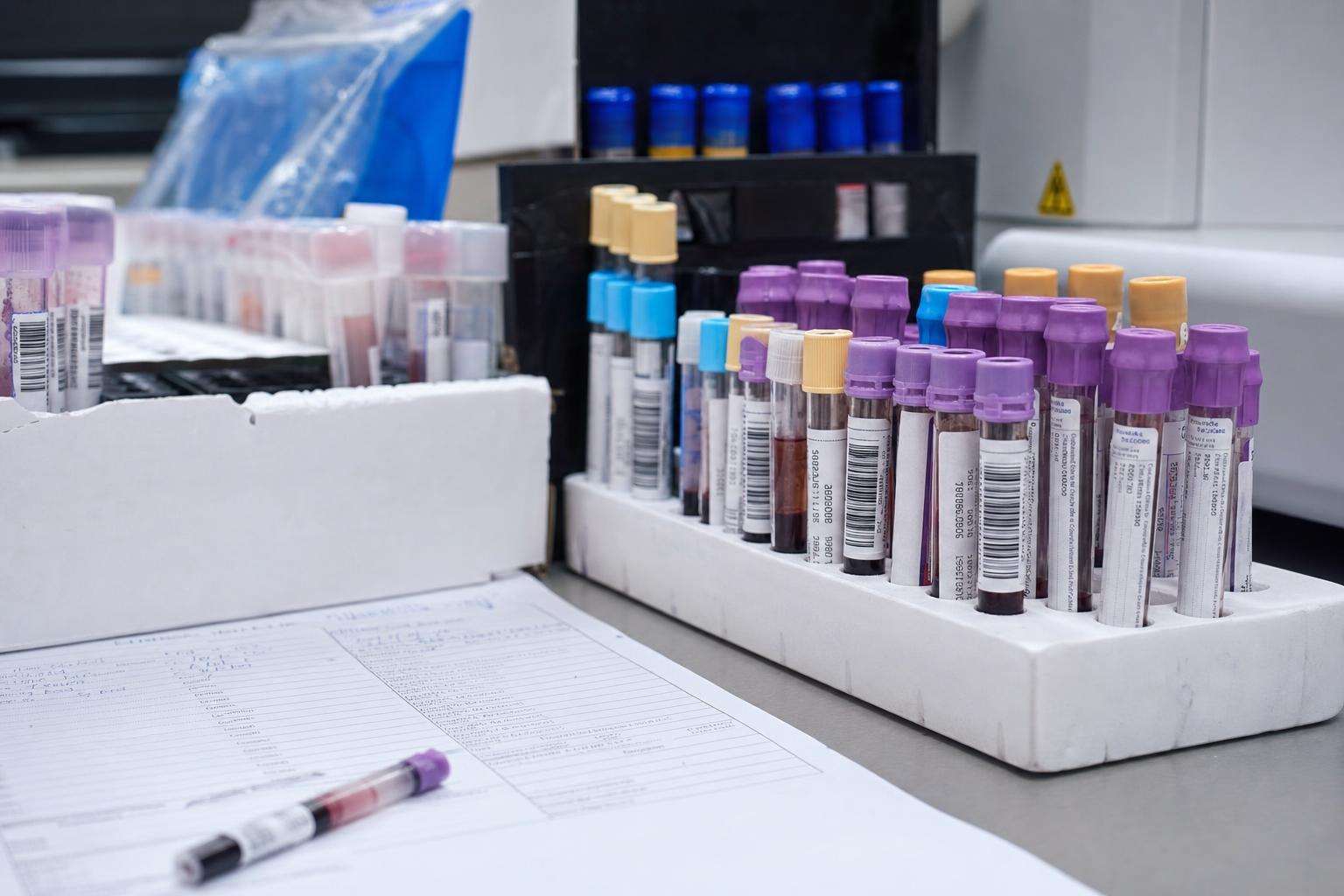
Ferritin = storage and inflammation. Use sex-specific ULN + TSAT; in C282Y HH use 1000 µg/L as fibrosis decision node; phlebotomy target often 50–100.
A lonely high ferritin is one of medicine’s most over-interpreted numbers. Context and companion labs decide whether you are looking at iron, inflammation, or both.
This article is informational and editorial only. It is not medical advice, diagnosis, or a treatment plan. Numbers and literature ranges cited here are not personal prescriptions. Consult a qualified clinician before changing medications, supplements, diet, equipment, or management of a diagnosed condition. Seek urgent care for emergencies.
Why inflammation confounds ferritin
Acute-phase up-regulation raises ferritin independent of iron stores.
Metabolic syndrome and alcohol-related liver disease commonly produce hyperferritinemia without HFE disease.
Re-read values after recovery and with iron panel completeness.
What thresholds guide HH phenotype?
Men >300 and women >200 µg/L are classic HEIRS elevated bands.
Ferritin <1000 µg/L predicts absence of cirrhosis in C282Y series.
Ferritin >1000 plus enzyme and platelet patterns raise cirrhosis probability.
| Ferritin context | Meaning | Next step |
|---|---|---|
| High + illness | Acute phase possible | Repeat when well |
| High + high TSAT | Overload phenotype | Consider HFE testing |
| <1000 in C282Y | Low cirrhosis probability | Monitor/stage appropriately |
| Goal post-phlebotomy | 50–100 µg/L band | Maintenance schedule |
How does ferritin behave in phlebotomy?
Ferritin falls as stores mobilize; TSAT often stays high until stores deplete.
Use ferritin for induction tracking; target 50–100 µg/L band.
Avoid overshoot into symptomatic iron deficiency.
What belongs in patient education?
One lab ≠ diagnosis of hemochromatosis.
Alcohol multiplies cirrhosis risk at a given iron burden.
Family history and TSAT complete the story.
Sources: AASLD 2011 hemochromatosis guideline; AASLD LFN iron overload pearls; EASL 2022 haemochromatosis CPG.
Readers should dual-source primary literature, translate slogans into exposure units and effect sizes, and rank interventions by expected value under uncertainty. Cheap reversible steps often outrank extreme protocols. Opportunity cost is real: hours spent on unvalidated tests are hours not spent on sleep, training, protein adequacy, and primary care. Sex, life stage, comorbidities, medications, and geography change interpretation. Prefer falsifiable claims with named endpoints over multi-disease cure lists. Update beliefs when stronger trials appear rather than freezing identity around a single paper or influencer narrative. Measured curiosity beats both panic and complacency. Further reading should prioritize primary sources and consensus documents over secondary social summaries. When evidence is mixed, state both the signal and the limits in the same paragraph. When evidence is strong, still avoid overclaiming universality across populations. Pattern quality, dose, and adherence dominate most household decisions more than brand seals.
Context, dose, endpoint, and population must travel together; slogans that drop any of those four are not finished claims. Household decisions should favor reversible experiments with measurable outcomes over identity diets or unvalidated testing cascades. When numbers conflict across agencies, report both the public-health target and the regulatory ceiling, then place personal labs on that ladder explicitly.
Context, dose, endpoint, and population must travel together; slogans that drop any of those four are not finished claims. Household decisions should favor reversible experiments with measurable outcomes over identity diets or unvalidated testing cascades. When numbers conflict across agencies, report both the public-health target and the regulatory ceiling, then place personal labs on that ladder explicitly.
Context, dose, endpoint, and population must travel together; slogans that drop any of those four are not finished claims. Household decisions should favor reversible experiments with measurable outcomes over identity diets or unvalidated testing cascades. When numbers conflict across agencies, report both the public-health target and the regulatory ceiling, then place personal labs on that ladder explicitly.
Context, dose, endpoint, and population must travel together; slogans that drop any of those four are not finished claims. Household decisions should favor reversible experiments with measurable outcomes over identity diets or unvalidated testing cascades. When numbers conflict across agencies, report both the public-health target and the regulatory ceiling, then place personal labs on that ladder explicitly.
Context, dose, endpoint, and population must travel together; slogans that drop any of those four are not finished claims. Household decisions should favor reversible experiments with measurable outcomes over identity diets or unvalidated testing cascades. When numbers conflict across agencies, report both the public-health target and the regulatory ceiling, then place personal labs on that ladder explicitly.
Context, dose, endpoint, and population must travel together; slogans that drop any of those four are not finished claims. Household decisions should favor reversible experiments with measurable outcomes over identity diets or unvalidated testing cascades. When numbers conflict across agencies, report both the public-health target and the regulatory ceiling, then place personal labs on that ladder explicitly.
Context, dose, endpoint, and population must travel together; slogans that drop any of those four are not finished claims. Household decisions should favor reversible experiments with measurable outcomes over identity diets or unvalidated testing cascades. When numbers conflict across agencies, report both the public-health target and the regulatory ceiling, then place personal labs on that ladder explicitly.
Context, dose, endpoint, and population must travel together; slogans that drop any of those four are not finished claims. Household decisions should favor reversible experiments with measurable outcomes over identity diets or unvalidated testing cascades. When numbers conflict across agencies, report both the public-health target and the regulatory ceiling, then place personal labs on that ladder explicitly.
Sources & citations
Frequently asked