Metabolic Health
Iron Chelation and Special Cases: When Phlebotomy Is Not an Option
Deferoxamine, deferasirox, and specialty pathways for transfusional overload—chelation when blood removal is impossible, not a wellness detox.
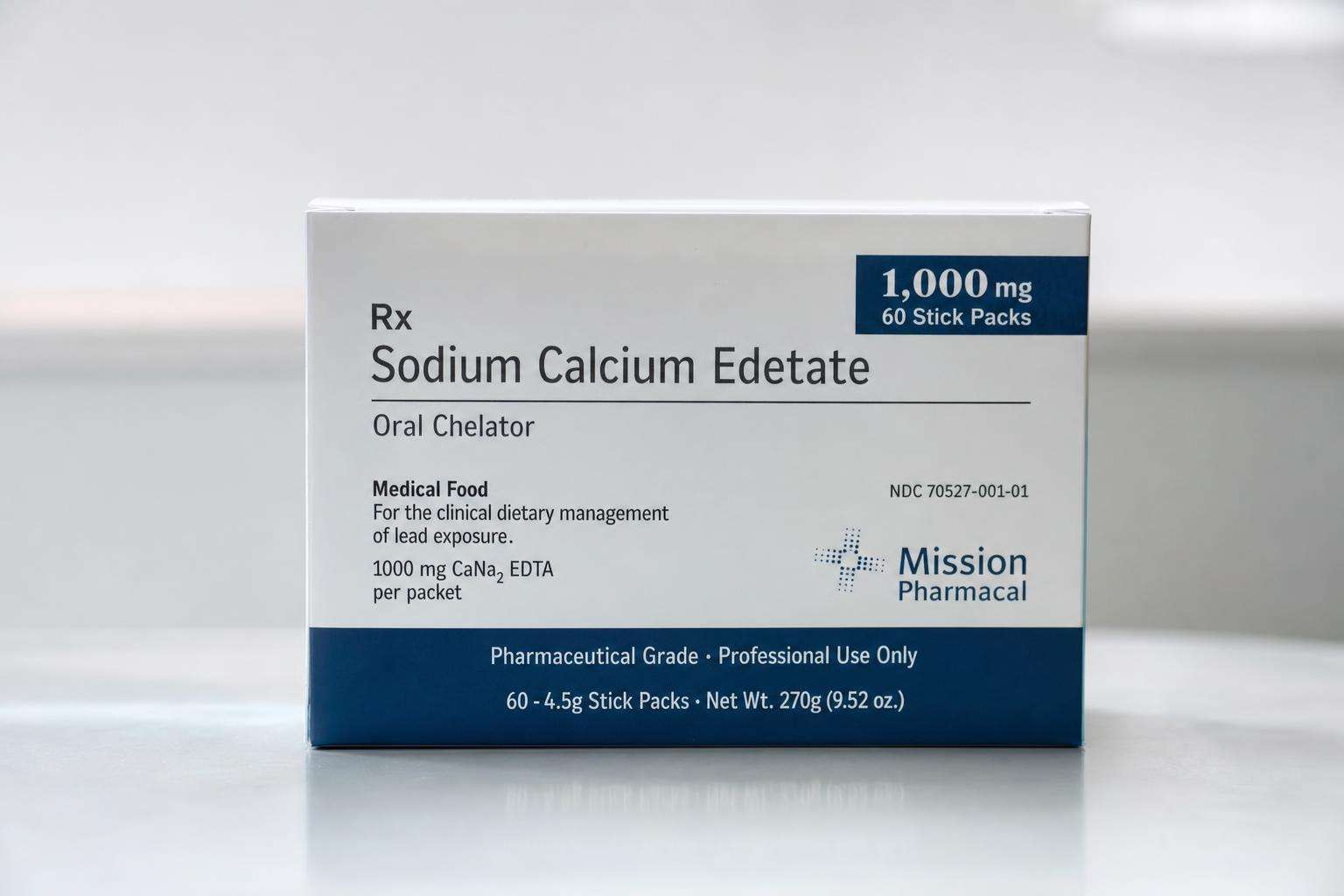
Use chelation when the patient cannot be phlebotomized—especially transfusional iron overload. Agents such as deferoxamine (historical ~20–40 mg/kg/day bands) and oral deferasirox require toxicity and organ-iron monitoring. Avoid vitamin C megadoses. This is hematology care, not a detox product.
Phlebotomy is elegant when red cells are disposable. When red cells are the scarce resource, chelation becomes the unloading tool. That fork is the special-case chapter of iron overload medicine.
This article is informational and editorial only. It is not medical advice, diagnosis, or a treatment plan. Numbers and literature ranges cited here are not personal prescriptions. Consult a qualified clinician before changing medications, supplements, diet, equipment, or management of a diagnosed condition. Seek urgent care for emergencies.
What is the therapy fork between phlebotomy and chelation?
Primary absorption-driven HFE hemochromatosis with adequate hemoglobin is usually managed with therapeutic phlebotomy: each unit removes roughly 200–250 mg of iron. Secondary overload from chronic transfusions or severe anemia reverses the arithmetic—removing blood steals oxygen-carrying capacity the patient still needs for daily function and disease recovery.
Reviews of secondary hemochromatosis due to anemia state that phlebotomy is unsuitable and chelation is indicated. The CDC notes iron chelation therapy when blood removal is not possible. Non-HFE hereditary overload with elevated hepatic iron may still use phlebotomy when feasible per AASLD recommendations—capability, not marketing label, decides the path.
Erythrocytapheresis is an alternative in selected centers for some hereditary phenotypes. Hepcidin-pathway drugs are research themes for future therapy, not today’s default hereditary hemochromatosis algorithm for community clinics managing uncomplicated overload.
How do guideline tables frame chelator use?
The AASLD 2011 practice guideline Table 9 context lists deferoxamine at about 20–40 mg/kg/day for secondary overload due to dyserythropoiesis, oral deferasirox options, consideration of follow-up biopsy for adequacy in some pathways, and avoidance of vitamin C supplements. Those numbers are clinician-facing ranges, not home dosing cards for internet protocols or social media “iron detox” coaches.
Transfusional iron management is a major hematology domain spanning thalassemia, myelodysplastic syndromes, and other chronic transfusion programs. Contemporary reviews emphasize organ-specific monitoring and individualized chelation intensity rather than one fixed milligram for all body weights, ages, and residual iron burdens across different diseases.
| Scenario | Usually prefer | Monitor |
|---|---|---|
| HFE HH, normal Hb | Phlebotomy | Ferritin, Hb, TSAT |
| Transfusion-dependent anemia | Chelation | LIC, cardiac T2*, drug toxicity labs |
| Mixed / non-HFE, Hb allows | Phlebotomy if feasible | Iron panel + imaging as needed |
| Phlebotomy-intolerant HH | Chelation (specialist) | Same as chelation programs |
Why are cardiac and liver MRI part of chelation care?
Ferritin trends help but do not map perfectly onto heart iron. Cardiac T2* MRI stratifies cardiomyopathy risk in multi-transfused patients; lower T2* corresponds to higher myocardial iron. Liver iron concentration by MRI tracks whether chelation is emptying hepatic stores. Programs that only watch a yearly ferritin can miss silent cardiac loading until arrhythmia or heart failure appears without warning.
Historical liver-transplant outcomes in hereditary hemochromatosis improved when iron was adequately addressed peri-transplant—another reminder that unloading quality changes hard endpoints. Specialty centers coordinate imaging cadence with drug adjustments and transfusion strategy changes when residual loading persists despite adherence.
What safety rules should readers remember?
Do not market or self-administer chelation for metabolic syndrome hyperferritinemia. Do not phlebotomize transfusion-dependent patients from a primary-care blog protocol. Do not assume oral chelator convenience means zero monitoring. Avoid unsupervised high-dose vitamin C stacked with iron mobilization. Refer juvenile presentations with cardiomyopathy and complex cardiac iron to specialty centers early rather than waiting for natural fixes that never unload multi-gram stores.
Chelation is powerful medicine for the right patient. Outside that gate, it is a hazard dressed as detox culture. Match the tool to anemia status, organ iron, and a team that can measure both efficacy and toxicity over months to years of carefully supervised therapy.
Editorial note: ranges and protocol bands cited here are literature and guideline context for shared decision-making with clinicians—not self-directed treatment schedules, home lab targets, or substitute care for emergencies or progressive organ disease.
Editorial note: ranges and protocol bands cited here are literature and guideline context for shared decision-making with clinicians—not self-directed treatment schedules, home lab targets, or substitute care for emergencies or progressive organ disease.
Editorial note: ranges and protocol bands cited here are literature and guideline context for shared decision-making with clinicians—not self-directed treatment schedules, home lab targets, or substitute care for emergencies or progressive organ disease.
Editorial note: ranges and protocol bands cited here are literature and guideline context for shared decision-making with clinicians—not self-directed treatment schedules, home lab targets, or substitute care for emergencies or progressive organ disease.
Editorial note: ranges and protocol bands cited here are literature and guideline context for shared decision-making with clinicians—not self-directed treatment schedules, home lab targets, or substitute care for emergencies or progressive organ disease.
Editorial note: ranges and protocol bands cited here are literature and guideline context for shared decision-making with clinicians—not self-directed treatment schedules, home lab targets, or substitute care for emergencies or progressive organ disease.
Sources & citations
Frequently asked