Evidence-dense health optimization

Health Canon

Metabolic Health

Prediabetes: The Action Steps That Work (2026)

Confirm diagnostic bands, then DPP-style lifestyle, strength training, weight management, sleep, and meds when indicated—no detox theater.
14 MIN READ 3 SOURCES
Metabolic Health Walking shoes and a simple meal prep container with vegetables and protein, no people
Illustration: Health Canon

DPPA1Cstrengthweightsleep

Bottom line

Confirm labs, DPP-style lifestyle, lift, sleep—meds when indicated.

  • Join or emulate structured DPP-style lifestyle change — Trial-backed relative risk reductions for type 2 diabetes beat unstructured advice and detox kits.
  • Walk after meals + build a step baseline — Near-zero cost glucose-lowering movement with high adherence potential.
  • Add progressive resistance training twice weekly — Muscle is a glucose sink; dual aerobic-plus-resistance patterns outperform cardio-only for many metabolic outcomes.

How we built this guide

Ranked by trial evidence for diabetes prevention, diagnostic honesty, adherence realism, and clear walls against experimental adjuncts replacing care.

  • Dose / clinical impact. Likely effect on exposure or health decision quality.
  • Evidence base. Agency guidance, trials, or consensus statements.
  • Adherence cost. Money, time, and household friction.
  • Harm of misuse. Whether bad execution creates new risks.

Key takeaways

  1. Confirm prediabetes with guideline diagnostic bands
  2. Follow a structured, DPP-style lifestyle program
  3. Add progressive resistance training at least twice a week
  4. Walk after meals to blunt post-meal spikes
  5. Aim for modest weight loss when indicated and protect sleep
  6. Use medication and monitoring when lifestyle isn't enough

Confirm prediabetes with guideline diagnostic bands

One casual glucometer reading is not a label

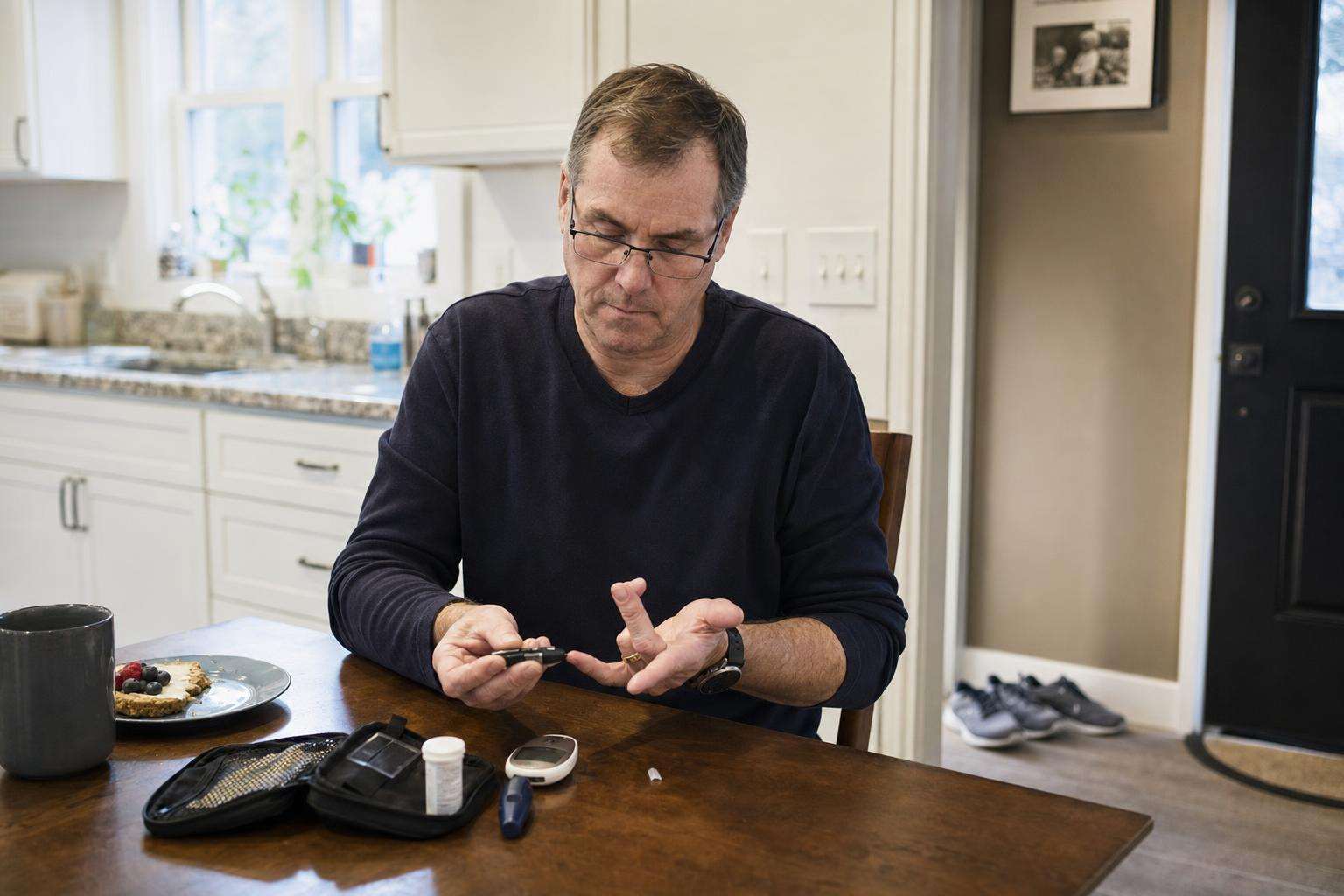
Prediabetes is defined using fasting plasma glucose, OGTT two-hour values, or HbA1C bands published by organizations such as the ADA—not by a single fingerstick after a restaurant meal. Ranked first because wrong labels create either complacency or unnecessary fear, and because laboratory methods, fasting status, and hemoglobin variants can affect A1C interpretation. Repeat borderline results when recommended, and ask whether anemia, kidney disease, or ethnicity-related A1C caveats apply. Distinguish prediabetes from diabetes diagnostic thresholds carefully—care intensity differs. Home CGMs can be educational but do not automatically replace diagnostic labs. Bring prior labs to visits to show trajectory. Secondary causes of hyperglycemia such as glucocorticoids deserve medication review. If symptoms of marked hyperglycemia appear—polyuria, polydipsia, unexplained weight loss—seek prompt care rather than waiting on lifestyle experiments. Accurate diagnosis is the on-ramp to DPP referrals and medication discussions. This step is paperwork and lab literacy, not motivation theater. Document changes and reassess after several weeks so habits stick rather than cycling novelty.

Who this is for: Anyone told they have “borderline sugar” informally

Do

  • Prevents mislabeling from casual glucometers
  • Aligns with ADA-class criteria
  • Enables proper program referral
  • Surfaces A1C caveats early

Watch out

  • Lab access and cost; A1C pitfalls in some conditions

Follow a structured, DPP-style lifestyle program

Programs beat vague advice

The U.S. Diabetes Prevention Program and its translation into the CDC National DPP showed that structured lifestyle intervention focused on modest weight loss and activity substantially reduced progression to type 2 diabetes in high-risk adults. Ranked as best overall action because effect sizes in landmark trials exceed most unmonitored supplement stacks. Core elements include calorie and dietary pattern changes you can sustain, ~150 minutes weekly of moderate activity, coaching or group accountability, and self-monitoring. You do not need perfection or a ketogenic identity. If a formal DPP cohort is unavailable, emulate the dose: weekly check-ins, tracked steps or minutes, and dietary pattern changes with protein and fiber emphasis rather than juice cleanses. Cultural foods can fit; restriction without a plan fails. Combine with resistance training item rather than cardio-only. Medications such as metformin may be considered in selected high-risk individuals under clinician guidance—they do not replace lifestyle. Measure A1C or fasting glucose on a clinician’s schedule to verify response. This is population-level evidence applied to personal execution.

Who this is for: Adults with confirmed prediabetes ready for structured change

Do

  • Landmark trial support
  • Scalable program infrastructure via CDC recognition
  • Focuses on sustainable weight and activity dose
  • Beats detox marketing

Watch out

  • Requires months of adherence; access to coached programs varies

Add progressive resistance training at least twice a week

Muscle is metabolic hardware

Skeletal muscle glucose uptake and improved insulin sensitivity with training make progressive resistance exercise a first-line metabolic tool, not optional bodybuilding. Aim for major movement patterns—squat or sit-to-stand progressions, hinge, push, pull, carry—with loads that challenge you within safe technique across the week. Ranked high for sedentary prediabetes because aerobic-only plans miss hypertrophy and strength adaptations that support long-term glucose disposal. Beginners should start with supervised or well-designed full-body templates two to three days weekly rather than random exhaustion. Concurrent walking remains valuable; interference concerns are secondary at novice volumes. Screen for uncontrolled hypertension, proliferative retinopathy precautions, and injury history with a clinician when needed. Protein intake across the day supports remodeling but is not a magic powder without progressive load. Track loads in a simple log so progressive overload is real. Deload when joints hurt sharply rather than pushing through injury. This step pairs with our strength templates listicles for programming detail. Document changes and reassess after several weeks so habits stick rather than cycling novelty.

Who this is for: Sedentary adults with prediabetes cleared for training

Do

  • Strong mechanistic and clinical rationale
  • Improves function beyond glucose
  • Scalable from bands to barbells
  • Complements DPP aerobic targets

Watch out

  • Learning curve and injury risk if form ignored; gym access varies

Walk after meals to blunt post-meal spikes

Ten to twenty minutes beats the couch

Light to moderate walking after meals can reduce postprandial glucose excursions by engaging muscle uptake when glycemia is rising. Ranked as best value because it requires shoes and a timer, not a membership. Even short bouts help when longer workouts feel impossible on busy days. This does not replace structured weekly activity minutes; it is a high-frequency micro-dose layered onto them. Safety first for neuropathy or fall risk—use supported walking and medical footwear advice when indicated. Avoid framing walking as punishment for eating; frame it as physiology. Indoor hallways and parking lots count on bad weather days. Family walks improve adherence. If using a CGM educationally, you may see the pattern yourself, but do not chase perfect curves at the expense of sleep. Pair with plate composition that includes protein, fiber, and fewer liquid sugars. Workplace constraints may shift walks to micro-breaks—something still beats nothing. Consistency across weekdays matters more than a heroic weekend hike alone.

Who this is for: Desk workers and anyone building minimal effective movement

Do

  • Near-zero cost
  • Immediate postprandial relevance
  • High adherence potential
  • Stacks with formal exercise

Watch out

  • Insufficient alone for large weight goals; weather and mobility limits

Aim for modest weight loss when indicated and protect sleep

Seven percent is a trial number, not shame

In the DPP, modest weight loss on the order of roughly seven percent of body weight in the lifestyle arm was a key mediator of diabetes risk reduction—individual targets should be clinician-contextualized and free of crash-diet harm. Sleep restriction and circadian disruption impair insulin sensitivity and appetite regulation; treating sleep apnea when present can matter as much as another diet book. Ranked together because energy balance and recovery interact. Avoid extreme restriction that destroys training performance and adherence. Medications for weight and glucose are evolving rapidly—discuss indications, contraindications, and lifestyle still being required. Alcohol is both calories and metabolic stress for many patients. Measure waist and how clothes fit alongside scale weight to reduce day-to-day noise. If history of eating disorders exists, use specialist-informed approaches rather than aggressive deficit culture. Sleep regularity—consistent bed and wake times—supports the same circadian biology discussed in our light hygiene coverage. This step is durable behavior design, not a thirty-day challenge.

Who this is for: Adults with overweight/obesity and prediabetes, poor sleepers

Do

  • Anchored to landmark trial magnitudes
  • Integrates sleep as metabolic care
  • Discourages crash diets
  • Opens evidence-based med discussions when needed

Watch out

  • Weight stigma risk; sleep apnea evaluation access varies

Use medication and monitoring when lifestyle isn't enough

Metformin and beyond are tools, not moral failures

Some adults with prediabetes—especially younger people with obesity, women with prior gestational diabetes, or those progressing despite lifestyle—may be candidates for metformin or other therapies under clinician judgment aligned with evolving guidelines. Ranked last among core steps not because drugs are weak, but because foundations should still be built and because medication choice is individualized. Know hypoglycemia risk profiles of any agent, sick-day rules, and pregnancy planning constraints. Monitoring may include periodic A1C, kidney function for some drugs, and blood pressure and lipids as cardiovascular risk management. Statins and antihypertensives often matter as much as glucose-centric tools for long-term outcomes. Reject both anti-medication ideology and pill-only neglect of food and movement. Bariatric and metabolic procedures are specialist pathways for selected patients. If funds are limited, ask about generic options and assistance programs rather than buying unregulated “blood sugar support” supplements online. Reassess the full plan every few months with labs and goals written down. Document changes and reassess after several weeks so habits stick rather than cycling novelty.

Who this is for: Higher-risk prediabetes not at goal with lifestyle alone

Do

  • Acknowledges real pharmacologic prevention tools
  • Ties monitoring to safety
  • Integrates broader CV risk care
  • Counters supplement substitution

Watch out

  • Side effects, cost, and access; not indicated for everyone

Frequently asked

What A1C range is prediabetes?

Under common ADA criteria, an HbA1C from 5.7% to 6.4% falls in the prediabetes range, with diabetes at 6.5% or higher on appropriate testing. Fasting glucose and OGTT criteria also exist. Confirm with clinical labs and a clinician—home meters are not diagnostic substitutes.

Can prediabetes be reversed?

Many people return glucose metrics to the normal range with weight loss, activity, and dietary pattern changes, reducing risk of type 2 diabetes. Genetics and ongoing stressors mean vigilance still matters. “Reversed” should mean measured labs, not a supplement receipt.

Do I need a CGM if I have prediabetes?

Not necessarily. CGMs can educate about food and activity responses but add cost and noise. Diagnostic and follow-up labs plus structured lifestyle remain foundational. Discuss educational CGM use with a clinician if you want data without obsessing over every spike.

Is metformin required for prediabetes?

No. Lifestyle is first-line for most. Metformin may be considered for selected higher-risk adults under clinician guidance. It is not a free pass to skip activity and dietary pattern work. Confirm details with a qualified clinician or primary guidance document when your situation is high-stakes.

How fast should I recheck labs?

Intervals depend on baseline values, treatment intensity, and clinician judgment—often on the order of months rather than daily home testing. Ask for a written plan. Seek sooner care if classic hyperglycemic symptoms appear. Confirm details with a qualified clinician or primary guidance document when your situation is high-stakes.