Evidence-dense health optimization

Health Canon

Metabolic Health

The Health-Optimization Lab Panel Worth Requesting (2026)

A1C/glucose, lipids/ApoB, iron studies, TSH context, kidney/liver basics, and inflammation—ordered with interpretation plans.
14 MIN READ 3 SOURCES
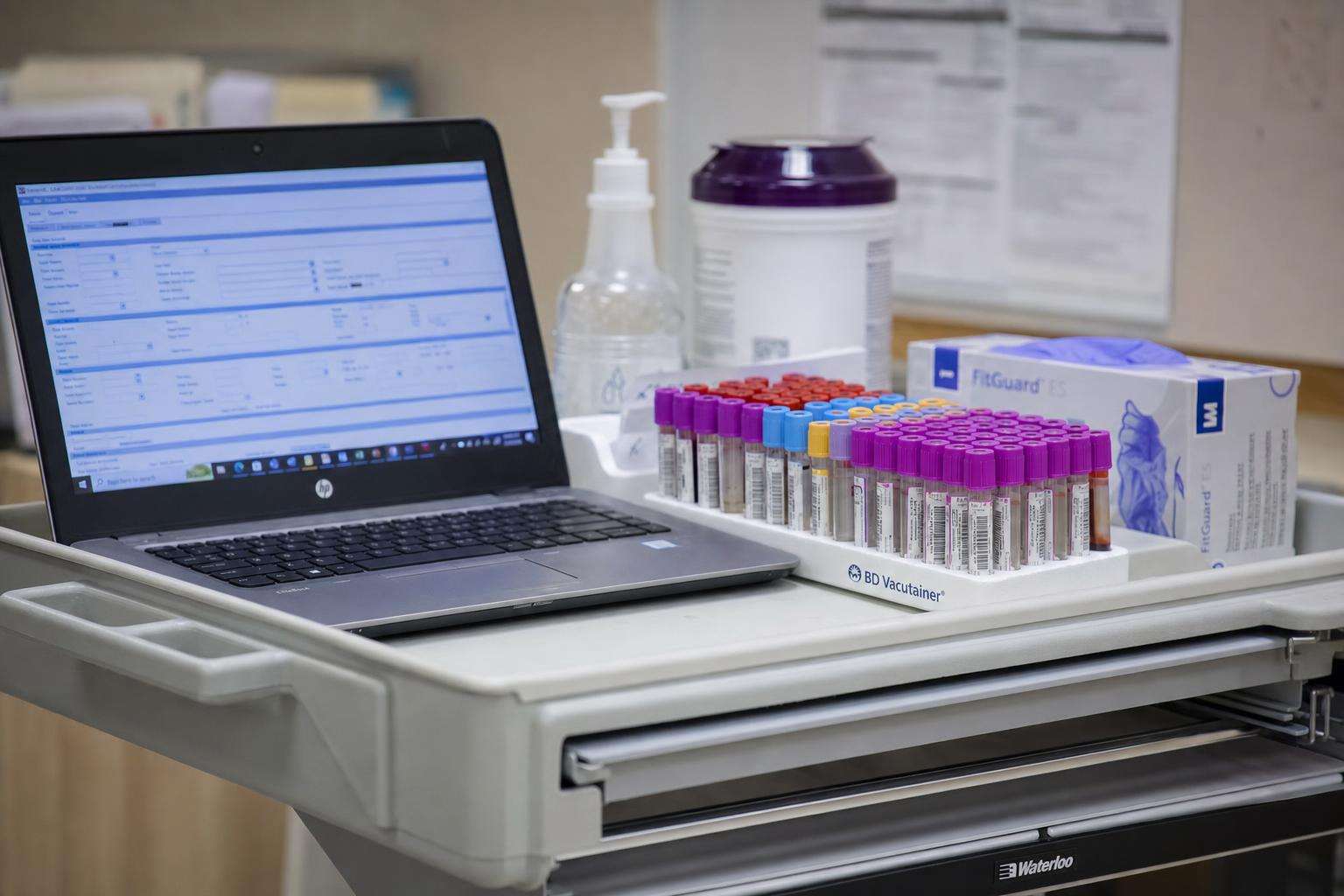
Metabolic Health Lab requisition form and blood sample tubes on a clean clinical counter, no people
Illustration: Health Canon

A1CApoBiron panelTSHhs-CRP

Bottom line

Decision-useful markers with plans—not 100-line vanity printouts.

  • Glycemia + ApoB/lipid core with clinician targets — Cardiometabolic risk decisions hinge on these more than exotic influencer add-ons.
  • Standard CMP + CBC context before exotic add-ons — Cheap organ and blood-count context prevents misreading isolated specialty tests.
  • Ferritin + TSAT (and CBC) rather than ferritin alone — Iron overload vs deficiency vs inflammation need a panel, not a single number meme.

How we built this guide

Ranked by decision usefulness, guideline adjacency, misinterpretation harm, and cost discipline versus vanity panels.

  • Dose / clinical impact. Likely effect on exposure or health decision quality.
  • Evidence base. Agency guidance, trials, or consensus statements.
  • Adherence cost. Money, time, and household friction.
  • Harm of misuse. Whether bad execution creates new risks.

Key takeaways

  1. Glycemic core: fasting glucose, A1C, and selective insulin/HOMA
  2. Lipid core: ApoB (or non-HDL) plus a standard lipid panel
  3. Iron studies: ferritin and TSAT (with CBC) when indicated
  4. Thyroid and organ context: a TSH-first screen plus a CMP
  5. Inflammation: selective hs-CRP, not chronic panel spam
  6. An interpretation plan, retest cadence, and anti-vanity rules

Glycemic core: fasting glucose, A1C, and selective insulin/HOMA

Diagnose and track dysglycemia before biohacking

An optimization panel starts with whether glucose regulation is normal, prediabetes, or diabetes-range using established markers: fasting plasma glucose, HbA1C, and sometimes OGTT per clinician judgment. Rank glycemic core first because lifestyle and medication decisions hinge on it, and because many “optimization” quests ignore frank hyperglycemia. Fasting insulin and HOMA-IR can add context in select cases but need standardized fasting draws and careful interpretation—not meme cutoffs from forums. Conditions of draw matter: illness, steroids, and shift work. If prediabetes is found, evidence-based lifestyle intensity (DPP-style patterns, training, weight management when indicated) outranks obscure supplements. Retest intervals follow clinical guidance, not weekly anxiety. Pair with blood pressure and waist metrics. This core earns the top rank for actionability. Document changes and reassess after several weeks so habits stick rather than cycling novelty. Coordinate with household members when shared products or schedules determine adherence. Prefer primary agency and clinical guidance over social-media summaries when stakes are high.

Who this is for: Adults doing periodic metabolic check-ins

Do

  • Directly tied to diagnostic thresholds and therapy
  • Widely available and affordable
  • Guides high-yield lifestyle intensity
  • Prevents ignoring frank disease in “optimization” culture

Watch out

  • A1C can mislead in certain anemias/hemoglobin variants; needs clinical context

Lipid core: ApoB (or non-HDL) plus a standard lipid panel

Particle-aware risk beats chasing only HDL stories

A standard lipid panel remains foundational; apolipoprotein B (ApoB) or non-HDL cholesterol improves atherogenic particle risk estimation in modern preventive cardiology conversations. Rank this core high for optimization because ASCVD risk management is a decades-long lever. Interpret with age, blood pressure, smoking, diabetes status, and family history—not isolated “optimal” internet ranges alone. Fasting vs nonfasting protocols depend on what is ordered—follow lab instructions. High triglycerides need separate attention including secondary causes. Treatment decisions (statins and others) belong with clinicians; lifestyle still includes diet pattern, weight, and training. Do not celebrate high HDL as a free pass when ApoB is high. Retest after major lifestyle changes or medication starts per clinician timing. This is serious prevention, not biohacker theater. Document changes and reassess after several weeks so habits stick rather than cycling novelty. Coordinate with household members when shared products or schedules determine adherence. Prefer primary agency and clinical guidance over social-media summaries when stakes are high.

Who this is for: Adults assessing atherosclerotic risk

Do

  • Central to long-term cardiovascular risk
  • ApoB/non-HDL adds particle clarity
  • Actionable with lifestyle and meds
  • Guideline-adjacent measurement culture

Watch out

  • Risk is multifactorial; numbers need full clinical context

Iron studies: ferritin and TSAT (with CBC) when indicated

Deficiency and overload are both easy to misread

Iron optimization requires a panel mindset: ferritin, transferrin saturation (iron/TIBC), and CBC context. Rank iron studies highly for fatigue workups, heavy menstrual bleeding, endurance athletes, and hemochromatosis risk—but not necessarily for every healthy asymptomatic person annually without reason. Ferritin rises with inflammation, so isolated ferritin can mislead; TSAT helps separate overload patterns. Do not self-supplement high-dose iron because a podcast said ferritin should be a certain vanity number—iron overload harms organs. HFE genetic testing is selective after clinical suspicion. Women of reproductive age and people with GI blood loss need diagnostic thinking, not only repletion. Recheck after interventions. This panel item prevents both missed deficiency and dangerous self-dosing. Document changes and reassess after several weeks so habits stick rather than cycling novelty. Coordinate with household members when shared products or schedules determine adherence. Prefer primary agency and clinical guidance over social-media summaries when stakes are high. Escalate to a qualified clinician when red-flag symptoms appear rather than indefinite self-experimentation.

Who this is for: Symptomatic adults and high-risk groups for iron disorders

Do

  • Distinguishes deficiency vs overload pathways
  • Prevents dangerous iron self-supplementation
  • Relevant to athletes and heavy menses
  • Pairs with CBC for anemia classification

Watch out

  • Not always needed yearly for low-risk people; inflammation confounds ferritin

Thyroid and organ context: a TSH-first screen plus a CMP

Avoid full thyroid panel fishing without indication

For most screening contexts, TSH is the entry thyroid test; free T4 follows when TSH is abnormal. Rank against indiscriminate full thyroid panels and antibody fishing in asymptomatic people without risk—those can create noise. CMP provides glucose, electrolytes, kidney (creatinine/eGFR), and liver enzyme context that frames medication safety and metabolic health. Rank CMP as high-value cheap context in an optimization panel. Abnormal liver enzymes need alcohol, fatty liver, meds, and viral considerations—not only “detox.” Kidney function changes drug dosing. Discuss biotin interference and other assay issues with labs when relevant. This stage keeps optimization grounded in organ safety. Document changes and reassess after several weeks so habits stick rather than cycling novelty. Coordinate with household members when shared products or schedules determine adherence. Prefer primary agency and clinical guidance over social-media summaries when stakes are high. Escalate to a qualified clinician when red-flag symptoms appear rather than indefinite self-experimentation. Spend first dollars and attention on the highest-yield steps; optional upgrades come later.

Who this is for: Adults in periodic health optimization with clinician partnership

Do

  • TSH-first reduces noise
  • CMP is broad cheap organ context
  • Supports medication safety
  • Flags fatty liver and kidney issues early

Watch out

  • Complex thyroid disease needs endocrinology beyond TSH; CMP is not a complete workup

Inflammation: selective hs-CRP, not chronic panel spam

One inflamed draw does not define your identity

High-sensitivity CRP can refine cardiovascular risk discussions in some intermediate-risk patients, but it is nonspecific—infection, injury, and dental issues spike it. Rank hs-CRP as selective, not a weekly optimization badge. Do not retest during acute illness and call it your baseline. Broader cytokine panels sold to consumers often lack action plans. If CRP is high, look for causes and reassess ASCVD risk with a clinician rather than buying random anti-inflammatory supplements. Sleep, training load, and body fat affect inflammatory tone more than boutique tests. This item is included to set boundaries inside optimization culture. Document changes and reassess after several weeks so habits stick rather than cycling novelty. Coordinate with household members when shared products or schedules determine adherence. Prefer primary agency and clinical guidance over social-media summaries when stakes are high. Escalate to a qualified clinician when red-flag symptoms appear rather than indefinite self-experimentation. Spend first dollars and attention on the highest-yield steps; optional upgrades come later.

Who this is for: Intermediate CVD risk discussions under clinician guidance

Do

  • Can refine risk in selected patients
  • Boundary-setting against test spam
  • Encourages cause-seeking when elevated
  • Cheaper than exotic cytokine panels

Watch out

  • Nonspecific; easy to over-interpret; limited routine need

An interpretation plan, retest cadence, and anti-vanity rules

No result without a next action or deliberate watchful waiting

The final panel component is operational: every ordered test should map to a decision—treat, retest interval, specialist referral, or explicit watchful waiting. Rank this meta-rule equal to the assays. Bring a problem list to visits; avoid 100-marker consumer kits that spit red/green without clinical integration. Document fasting state, illnesses, and new supplements (biotin, high-dose biotin especially) that alter assays. Share results across clinicians. If a marker is normal and you feel unwell, expand history rather than infinite add-on tests first. Optimization is longitudinal: compare your trends under similar conditions. This prevents both neglect and obsessive over-testing. Document changes and reassess after several weeks so habits stick rather than cycling novelty. Coordinate with household members when shared products or schedules determine adherence. Prefer primary agency and clinical guidance over social-media summaries when stakes are high. Escalate to a qualified clinician when red-flag symptoms appear rather than indefinite self-experimentation. Spend first dollars and attention on the highest-yield steps; optional upgrades come later.

Who this is for: Anyone ordering labs beyond acute care

Do

  • Converts data into decisions
  • Cuts vanity panel waste
  • Improves longitudinal comparability
  • Supports shared clinician understanding

Watch out

  • Requires disciplined care relationship; not a single app fix

Frequently asked

What labs should everyone get for optimization?

There is no universal mega-panel. A practical core often includes glycemic markers, lipids with ApoB or non-HDL when available, basic metabolic/liver context, and indicated iron or thyroid tests based on history. Order with a clinician and a plan for abnormal results—not a 100-line consumer kit without interpretation.

Is ApoB better than LDL-C?

ApoB counts atherogenic particles and can clarify risk when triglycerides are high or discordance exists. Many clinicians still use standard lipids plus risk calculators. Discuss ApoB as an upgrade in preventive conversations rather than a social-media flex. Treatment decisions remain clinical. Confirm details with a qualified clinician or primary guidance document when your situation is high-stakes.

Should I take iron if my ferritin is “low normal”?

Not automatically. Ferritin interpretation needs symptoms, TSAT, CBC, menstrual/GI blood loss history, and inflammation context. Unnecessary iron can harm people with overload tendency. Fix causes of loss and replete only when indicated under guidance. Confirm details with a qualified clinician or primary guidance document when your situation is high-stakes.

How often should I repeat an optimization panel?

It depends on baseline results, interventions, and risk. Many stable adults recheck key cardiometabolic markers on a yearly or clinician-set cadence; after major lifestyle or medication changes, intervals shorten. Weekly testing is rarely useful and often increases anxiety without better decisions. Confirm details with a qualified clinician or primary guidance document when your situation is high-stakes.

Are comprehensive wellness panels from influencer labs worth it?

Often they add markers without action plans, creating noise and cost. Prefer decision-useful tests integrated with a clinician who will manage abnormal results. If you use specialty labs, demand interpretation, assay quality, and follow-up—not color-coded PDFs alone. Confirm details with a qualified clinician or primary guidance document when your situation is high-stakes.