Metabolic Health
Hemochromatosis: The Action Steps (2026)
Confirm iron panels, pursue specialist pathways when indicated, and skip unguided phlebotomy or detox kits.
ferritin+TSATHFEphlebotomyfamilyliver
Bottom line
Labs first, specialist care, family cascade—no self-chelation theater.
- Confirm overload plausibility with ferritin + TSAT before genetics theater — Wrong sequence wastes money and delays real diagnoses; paired iron studies are the on-ramp.
- Stop unneeded iron supplements and multivitamins with iron — Near-zero cost exposure cut while labs and visits are pending.
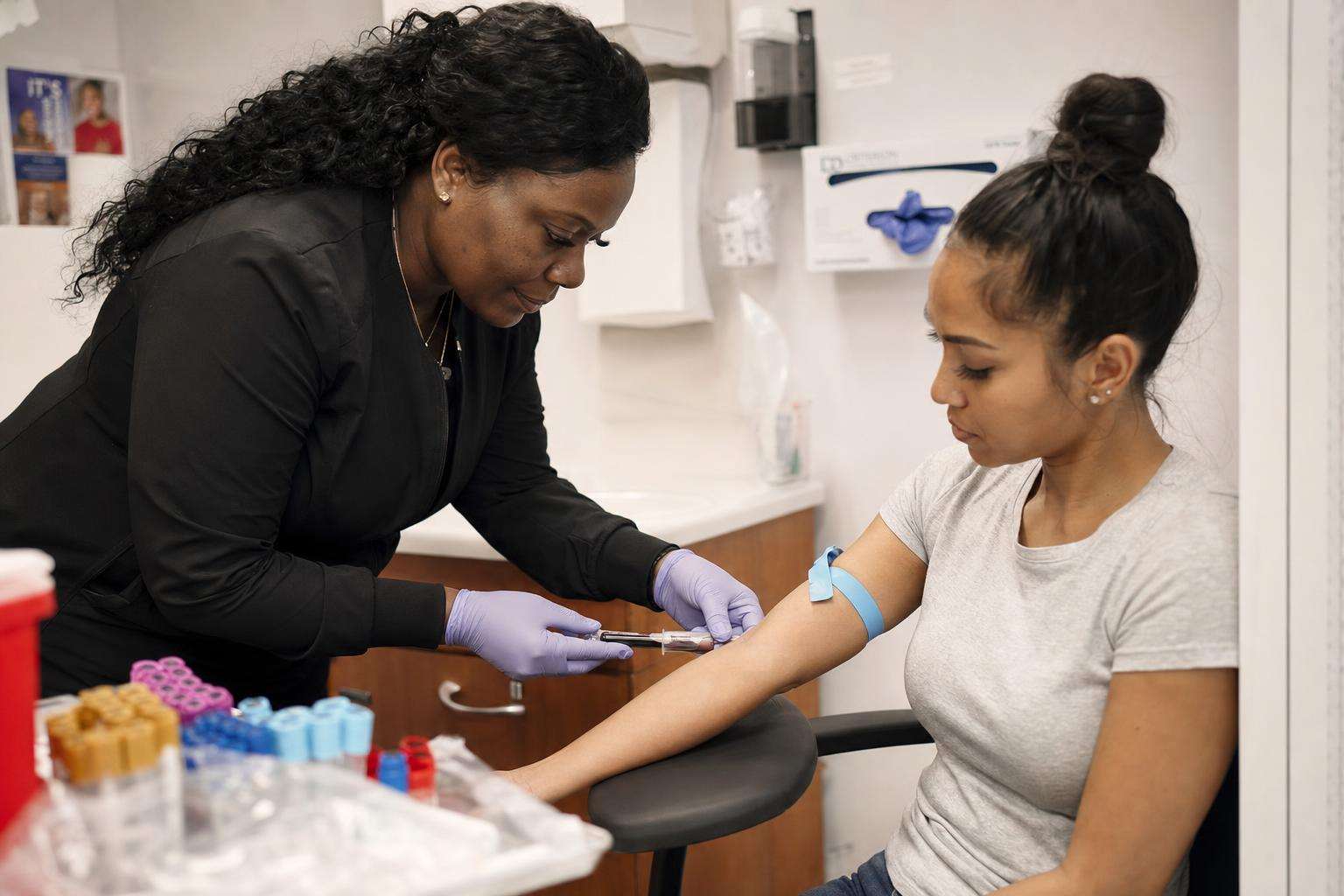
- Enter clinician-directed therapeutic phlebotomy pathway — Guideline care removes iron; DIY donation schedules without labs are unsafe.
How we built this guide
Ranked by diagnostic honesty, guideline treatment access, family risk communication, and harm of self-directed iron removal.
- Dose / clinical impact. Likely effect on exposure or health decision quality.
- Evidence base. Agency guidance, trials, or consensus statements.
- Adherence cost. Money, time, and household friction.
- Harm of misuse. Whether bad execution creates new risks.
Key takeaways
- Confirm iron studies: ferritin with transferrin saturation
- Follow a clinician pathway, not self-diagnosis shopping
- Stop unnecessary iron and high-dose vitamin C
- Begin clinician-directed therapeutic phlebotomy when indicated
- Cascade-test first-degree relatives after a confirmed diagnosis
- Monitor liver, heart, endocrine, and joint effects as directed
Confirm iron studies: ferritin with transferrin saturation
Ferritin alone is not a diagnosis
Who this is for: Anyone with high ferritin or suspected overload
Do
- Prevents ferritin-only misdiagnosis
- Aligns with standard clinical entry points
- Cheap relative to wrong genetics or MRI
- Supports serial trend interpretation
Watch out
- Lab access, cost, and need for clinician interpretation
Follow a clinician pathway, not self-diagnosis shopping
Hematology/hepatology when indicated
Who this is for: Elevated TSAT/ferritin with clinical concern
Do
- Connects labs to real treatment authority
- Handles incomplete penetrance honestly
- Surfaces secondary overload pathways
- Sets up safe phlebotomy logistics
Watch out
- Access and wait times vary by region
Stop unnecessary iron and high-dose vitamin C
Do not feed overload while waiting
Who this is for: High iron studies or confirmed hereditary hemochromatosis
Do
- Immediate, free exposure reduction
- Prevents supplement-driven loading
- Easy household rule while labs pending
- Supports later treatment interpretation
Watch out
- Not a substitute for phlebotomy when indicated
Begin clinician-directed therapeutic phlebotomy when indicated
Schedule and targets beat DIY donation math
Who this is for: Confirmed iron overload under specialist care
Do
- Guideline-aligned iron removal
- Measurable ferritin response
- Program infrastructure exists in many systems
- Clearer than supplement theater
Watch out
- Requires medical oversight; access and travel burden
Cascade-test first-degree relatives after a confirmed diagnosis
Genetics after phenotype clarity
Who this is for: Index patients with confirmed HFE-related disease
Do
- High leverage for relatives
- Standard genetic-medicine practice
- Prevents silent loading in family
- Clarifies incomplete penetrance with counseling
Watch out
- Family communication friction; variable insurance coverage
Monitor liver, heart, endocrine, and joint effects as directed
Stores matter beyond the ferritin number
Who this is for: Confirmed overload with clinical follow-up needs
Do
- Matches care to real organ risk
- Prevents single-number tunnel vision
- Integrates metabolic and liver follow-up
- Supports shared care across specialties
Watch out
- Can over-test if not phenotype-guided
Frequently asked
Is high ferritin always hemochromatosis?
No. Ferritin is an acute-phase reactant and rises with inflammation, alcohol, fatty liver, infection, and other conditions. Transferrin saturation and clinical context are needed before labeling hereditary hemochromatosis. Many people with high ferritin do not have iron overload on full evaluation. Confirm details with a qualified clinician or primary guidance document when your situation is high-stakes.
Should I get HFE genetic testing from a consumer kit first?
Clinical-grade testing ordered in a diagnostic pathway is preferable when medical decisions depend on the result. Consumer kits vary in variant coverage and counseling. Genotype also has incomplete penetrance—biochemistry and a clinician still matter. Discuss testing sequence with your care team. Confirm details with a qualified clinician or primary guidance document when your situation is high-stakes.
Can diet alone treat hereditary hemochromatosis?
Diet changes and stopping iron supplements help at the margin but rarely replace therapeutic phlebotomy when true iron overload requires removal of body stores. Extreme diets can create other nutrient problems. Follow specialist targets rather than forum meal plans alone. Confirm details with a qualified clinician or primary guidance document when your situation is high-stakes.
Is donating blood the same as therapeutic phlebotomy?
Voluntary donation and therapeutic phlebotomy can look similar as procedures but differ in indication, frequency, hemoglobin gates, documentation, and lab monitoring. Do not invent a weekly donation schedule without clinician oversight, especially if you have heart disease, anemia risk, or uncertain diagnosis.
Who in my family should be checked?
After an index diagnosis, first-degree adult relatives are often considered for biochemical screening and counseling-guided genetics. Exact recommendations depend on the genetic findings and ages involved. A clinician or genetic counselor should prioritize who to test rather than testing the entire extended family at once.