Men's Health
Hemochromatosis in Men: Earlier Presentation and Higher Complication Rates
Men inherit HFE risk equally but present earlier and develop complications more often—about 28% vs 1% documented disease in one classic C282Y cohort comparison.
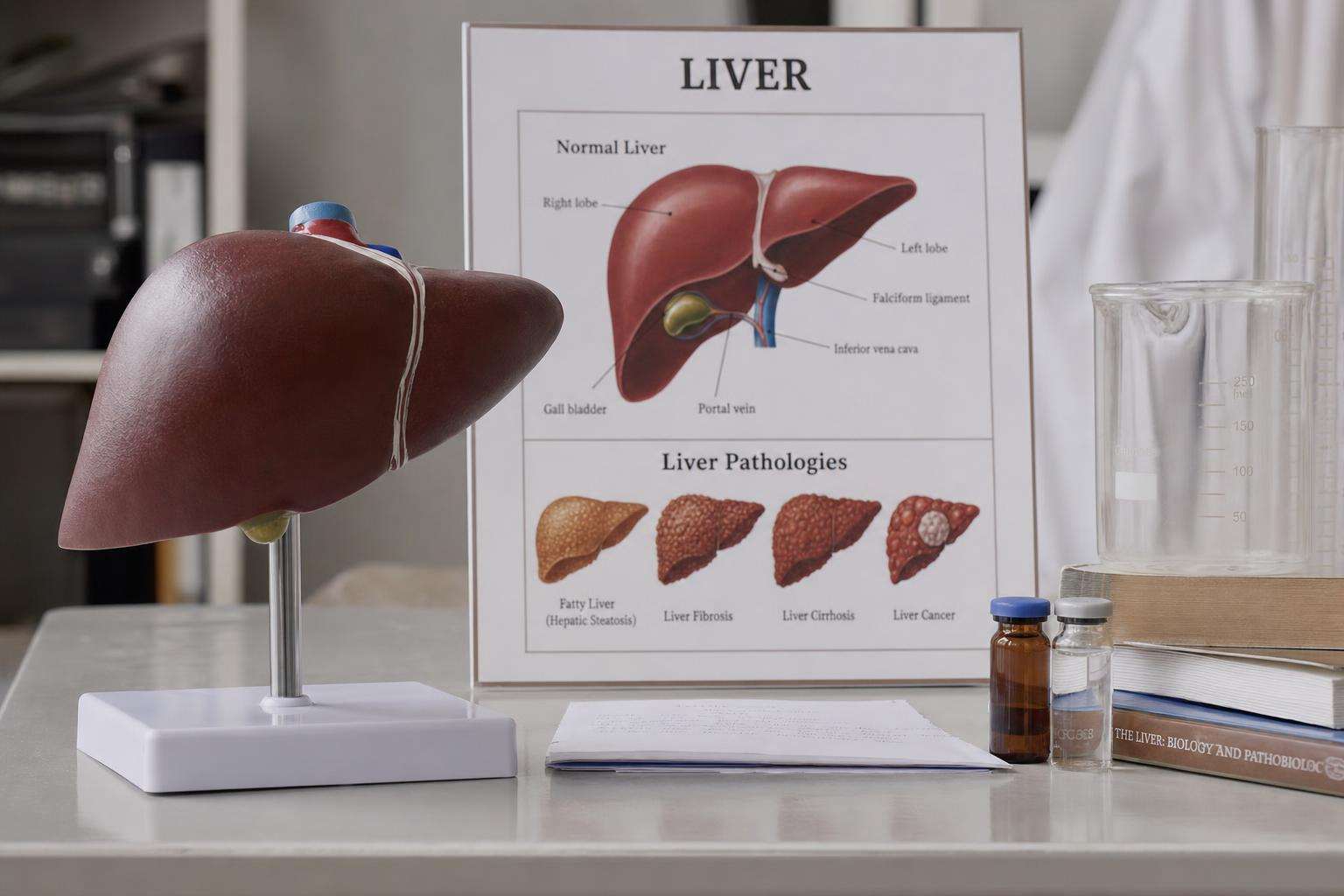
Men with HFE hemochromatosis present earlier and develop complications more often than women despite equal inheritance. Documented disease ~28% men vs 1% women in a classic C282Y cohort; HEIRS elevated ferritin 88% male vs 57% female. Cascade-screen brothers aggressively.
Inheritance is equal. Clinical expression is not. Male-focused content must sex-tag every statistic or it becomes misleading marketing of average risk.
This article is informational and editorial only. It is not medical advice, diagnosis, or a treatment plan. Numbers and literature ranges cited here are not personal prescriptions. Consult a qualified clinician before changing medications, supplements, diet, equipment, or management of a diagnosed condition. Seek urgent care for emergencies.
What does epidemiology show for men with HFE HH?
The CDC states men are more likely to develop complications and are often diagnosed earlier. AASLD materials note more men than women have increased ferritin; older series showed men presenting about 10 years earlier. With screening, age and sex of identification equalize, but definite disease manifestations remain much lower in women.
HEIRS: elevated ferritin in 88 percent of male versus 57 percent of female C282Y/C282Y participants. Australian documented disease among C282Y homozygotes: about 28 percent of men versus 1 percent of women. GeneReviews-linked HEIRS context includes an odds ratio around 3.3 for liver disease among male C282Y homozygotes. Those are anchors, not destiny tables for every individual man with the genotype.
What mechanisms explain earlier male expression?
No menstrual iron sink is the classic mechanism. Higher baseline iron stores and alcohol cofactors amplify liver risk. Amenorrhea from advanced liver disease in women is not protective menses—do not confuse cirrhosis-related cycle loss with ongoing iron loss. Men still show incomplete penetrance; many C282Y homozygotes never develop progressive clinical disease despite male-skewed rates.
| Metric | Male figure | Comparator |
|---|---|---|
| HEIRS high ferritin (C282Y/C282Y) | 88% | 57% women |
| Documented disease (Aust. cohort) | 28% | 1% women |
| Cirrhosis (one asymptomatic series) | 5.6% | 1.9% women |
| Historical presentation lag | Earlier by ~10 years | Women later (old literature) |
Which complications and symptoms should men watch?
Liver fibrosis and cirrhosis risk, arthropathy, and endocrine hypogonadism with libido loss or erectile dysfunction feature prominently. Diabetes and cardiomyopathy appear in advanced overload narratives. Fatigue is nonspecific and common—labs, not vibes, decide. Include male sexual dysfunction in inventories without stigma; it can be disease signal, not private failure to report.
One asymptomatic biopsy series cited cirrhosis in 5.6 percent of men versus 1.9 percent of women—small absolute rates that still favor earlier male vigilance. Alcohol counseling is not optional moralizing; it is liver math on an iron-loaded organ that multiplies fibrosis risk.
How should cascade and treatment thresholds change for men?
Prioritize brothers of probands for iron studies plus HFE testing. Example treatment ferritin thresholds often sit above 300 ng/mL for men versus above 200 for women with TSAT at or above 45 percent in C282Y/C282Y pathways. For male C282Y/C282Y with high ferritin, do not underplay liver and hypogonadism risk while incomplete penetrance still forbids fatalism about every genotype.
Anti-patterns: publishing unisex penetrance as if sexes match; assuming every middle-aged man with fatigue has hereditary hemochromatosis without labs; ignoring alcohol; using only historical 10-to-1 ratios without noting modern screening equalizes detection even as disease expression remains male-skewed. Primary synthesis remains in the AASLD hemochromatosis guideline sex and HEIRS sections.
Editorial note: ranges and protocol bands cited here are literature and guideline context for shared decision-making with clinicians—not self-directed treatment schedules, home lab targets, or substitute care for emergencies or progressive organ disease.
Editorial note: ranges and protocol bands cited here are literature and guideline context for shared decision-making with clinicians—not self-directed treatment schedules, home lab targets, or substitute care for emergencies or progressive organ disease.
Editorial note: ranges and protocol bands cited here are literature and guideline context for shared decision-making with clinicians—not self-directed treatment schedules, home lab targets, or substitute care for emergencies or progressive organ disease.
Editorial note: ranges and protocol bands cited here are literature and guideline context for shared decision-making with clinicians—not self-directed treatment schedules, home lab targets, or substitute care for emergencies or progressive organ disease.
Editorial note: ranges and protocol bands cited here are literature and guideline context for shared decision-making with clinicians—not self-directed treatment schedules, home lab targets, or substitute care for emergencies or progressive organ disease.
Editorial note: ranges and protocol bands cited here are literature and guideline context for shared decision-making with clinicians—not self-directed treatment schedules, home lab targets, or substitute care for emergencies or progressive organ disease.
Editorial note: ranges and protocol bands cited here are literature and guideline context for shared decision-making with clinicians—not self-directed treatment schedules, home lab targets, or substitute care for emergencies or progressive organ disease.
Editorial note: ranges and protocol bands cited here are literature and guideline context for shared decision-making with clinicians—not self-directed treatment schedules, home lab targets, or substitute care for emergencies or progressive organ disease.
Editorial note: ranges and protocol bands cited here are literature and guideline context for shared decision-making with clinicians—not self-directed treatment schedules, home lab targets, or substitute care for emergencies or progressive organ disease.
Sources & citations
Frequently asked