Evidence-dense health optimization

Health Canon

Men's Health

Strength Training After 40 for Men: The Rules (2026)

Progressive strength, longer warm-ups, smarter volume, recovery, and medical screens—no T-clinic ego lifting.
14 MIN READ 3 SOURCES
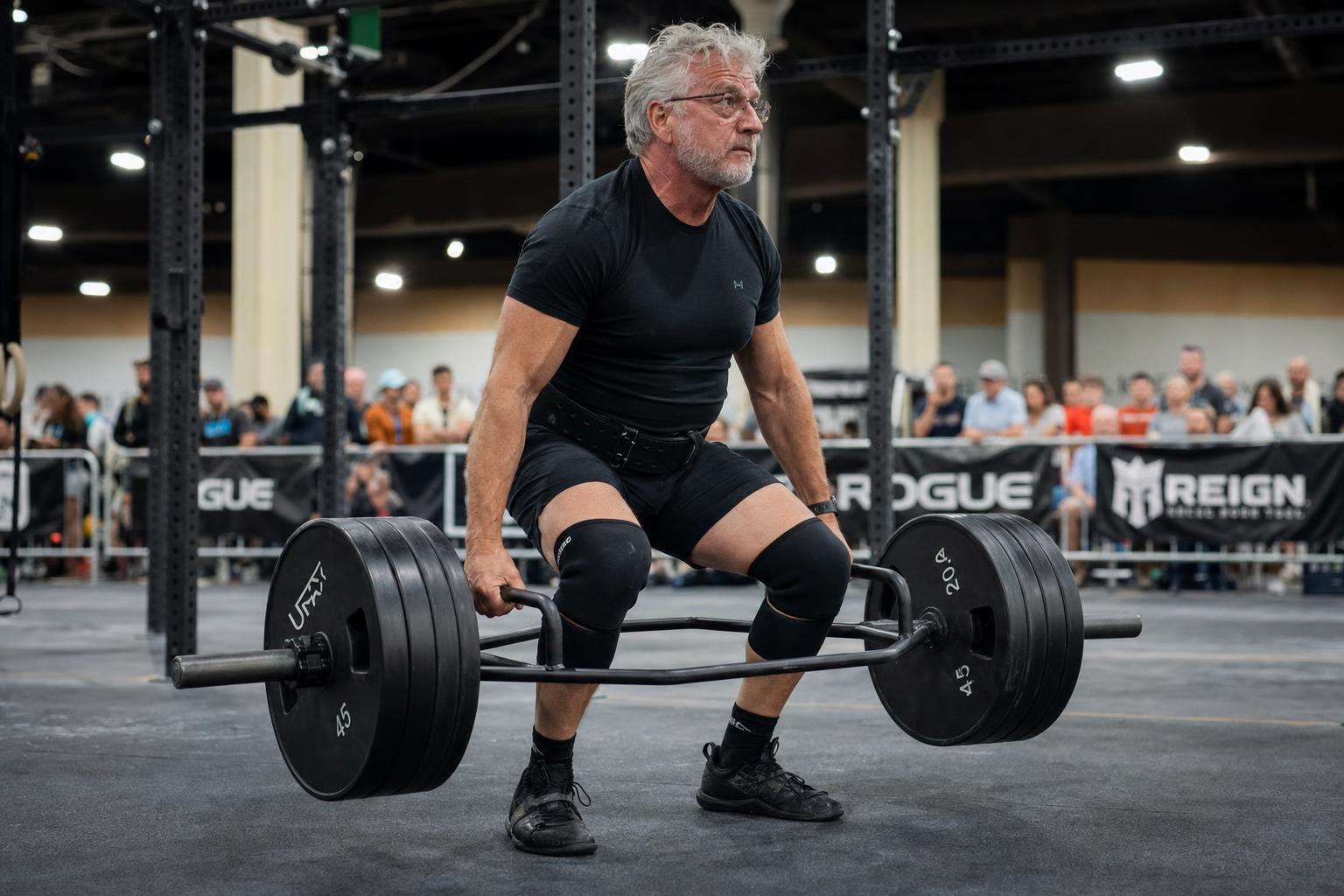
Men's Health Barbell and training notebook in a gym corner, no people
Illustration: Health Canon

strengthwarm-upvolumerecoveryscreens

Bottom line

Lift on, warm up longer, manage volume, recover—no TRT ego programming.

  • Keep progressive resistance training 2–4 days weekly as the spine — Muscle and bone need load across decades; cardio alone is incomplete.
  • Extend warm-ups and use RPE to avoid reckless jumps in load — Prevents injuries that erase months of progress—free skill.
  • Full-body 2–3× template with technique focus and walk defaults — High ROI without advanced split complexity.

How we built this guide

Ranked by injury-adjusted progress, longevity of adherence, and resistance to hormone-clinic marketing as training advice.

  • Dose / clinical impact. Likely effect on exposure or health decision quality.
  • Evidence base. Agency guidance, trials, or consensus statements.
  • Adherence cost. Money, time, and household friction.
  • Harm of misuse. Whether bad execution creates new risks.

Key takeaways

  1. Keep progressive resistance training non-negotiable
  2. Warm up longer, autoregulate with RPE/RIR, and take smaller jumps
  3. Treat volume as a dose: program deloads and sleep
  4. Keep aerobic work alongside lifting, not instead of it
  5. Check blood pressure, symptoms, and indicated labs before heroics
  6. Don't let a TRT clinic replace good training design

Keep progressive resistance training non-negotiable

Age does not cancel overload

Masters men still need progressive resistance training for muscle, strength, bone, and metabolic health. Ranked first because many men replace barbells with only weekend golf or random HIIT, then blame age. Use 2–4 lifting days with compound patterns you can recover from. Machines are valid tools, not lesser masculinity. Track loads and reps; progression can be slower than at 25 and still count. Protein intake and sleep support adaptation. This rule rejects the false choice between training hard and training smart—do both with patience. Document changes and reassess after several weeks so habits stick rather than cycling novelty. Coordinate with household members when shared products or schedules determine adherence. Prefer primary agency and clinical guidance over social-media summaries when stakes are high. Escalate to a qualified clinician when red-flag symptoms appear rather than indefinite self-experimentation. Spend first dollars and attention on the highest-yield steps; optional upgrades come later. Keep records of labs, product labels, and exposures so trends are visible across visits.

Who this is for: Men 40+ who can train

Do

  • Highest long-term ROI stimulus
  • Metabolic and bone co-benefits
  • Measurable progression
  • Identity-compatible for former athletes

Watch out

  • Requires technique and recovery honesty

Warm up longer, autoregulate with RPE/RIR, and take smaller jumps

Tendons renegotiate every session

Connective tissue and work capacity change with age and desk life—warm up thoroughly, use rate of perceived exertion or reps-in-reserve, and avoid 20-lb ego jumps. Ranked as best-value injury prevention. Include specific warm-up sets for heavy compounds. Pain that alters mechanics is a stop-modify signal, not a badge. Mobility work that serves positions you lift in beats random YouTube stretching marathons. This rule keeps masters training productive for years. Document changes and reassess after several weeks so habits stick rather than cycling novelty. Coordinate with household members when shared products or schedules determine adherence. Prefer primary agency and clinical guidance over social-media summaries when stakes are high. Escalate to a qualified clinician when red-flag symptoms appear rather than indefinite self-experimentation. Spend first dollars and attention on the highest-yield steps; optional upgrades come later. Keep records of labs, product labels, and exposures so trends are visible across visits. Revisit decisions when life stage, pregnancy, travel, or housing conditions change materially.

Who this is for: Lifters with prior joint issues or long layoffs

Do

  • Injury risk reduction
  • Free skill
  • Supports long adherence
  • Compatible with any template

Watch out

  • Ego and sport culture push the opposite

Treat volume as a dose: program deloads and sleep

Stimulus without recovery is waste

Masters athletes often need more recovery between hard sessions even when motivation is high. Ranked high: plan deloads, cap junk volume, and treat sleep as training. High-frequency PPL copied from enhanced 22-year-olds is a common failure mode. Conditioning should not constantly erase lifting recovery—place hard intervals intelligently. Alcohol and travel weeks need planned downshifts. Track morning readiness roughly without obsessive HRV cults. Recovery is not weakness. Document changes and reassess after several weeks so habits stick rather than cycling novelty. Coordinate with household members when shared products or schedules determine adherence. Prefer primary agency and clinical guidance over social-media summaries when stakes are high. Escalate to a qualified clinician when red-flag symptoms appear rather than indefinite self-experimentation. Spend first dollars and attention on the highest-yield steps; optional upgrades come later. Keep records of labs, product labels, and exposures so trends are visible across visits. Revisit decisions when life stage, pregnancy, travel, or housing conditions change materially.

Who this is for: Men adding life stress to training stress

Do

  • Prevents overreaching
  • Makes progression sustainable
  • Integrates lifestyle stressors
  • Supports hormone health indirectly via sleep

Watch out

  • Hard for competitive personalities

Keep aerobic work alongside lifting, not instead of it

Heart and steps still matter

Zone 2 walking, cycling, or easy conditioning supports cardiovascular health and recovery capacity alongside lifting. Ranked mid: do not become a pure powerlifter who cannot climb stairs, and do not become a pure marathoner who never lifts. Concurrent training needs spacing and calorie support. Steps after meals help metabolic health. Screen for cardiac symptoms before intense new conditioning. This rule balances the masters template. Document changes and reassess after several weeks so habits stick rather than cycling novelty. Coordinate with household members when shared products or schedules determine adherence. Prefer primary agency and clinical guidance over social-media summaries when stakes are high. Escalate to a qualified clinician when red-flag symptoms appear rather than indefinite self-experimentation. Spend first dollars and attention on the highest-yield steps; optional upgrades come later. Keep records of labs, product labels, and exposures so trends are visible across visits. Revisit decisions when life stage, pregnancy, travel, or housing conditions change materially. Document changes and reassess after several weeks so habits stick rather than cycling novelty.

Who this is for: Men with lifting-only routines

Do

  • Cardiovascular coverage
  • Metabolic co-benefits
  • Supports work capacity
  • Flexible modalities

Watch out

  • Time management with lifting

Check blood pressure, symptoms, and indicated labs before heroics

Programming includes health gates

Masters training should include health gates: know blood pressure, respect chest pain/dizziness stop rules, and use indicated metabolic labs rather than only buying TRT from ads. Ranked as medical literacy: training is powerful medicine and also stress. Cardiac risk factors change exercise prescription. Medications (e.g., beta blockers) alter heart-rate targets. Get clearance when guidelines or clinicians suggest it. This rule separates serious training from reckless midlife challenges. Document changes and reassess after several weeks so habits stick rather than cycling novelty. Coordinate with household members when shared products or schedules determine adherence. Prefer primary agency and clinical guidance over social-media summaries when stakes are high. Escalate to a qualified clinician when red-flag symptoms appear rather than indefinite self-experimentation. Spend first dollars and attention on the highest-yield steps; optional upgrades come later. Keep records of labs, product labels, and exposures so trends are visible across visits. Revisit decisions when life stage, pregnancy, travel, or housing conditions change materially.

Who this is for: Men starting or escalating training after 40

Do

  • Safety
  • Informs intensity choices
  • Counters TRT-only narratives
  • Integrates primary care

Watch out

  • Care access barriers

Don't let a TRT clinic replace good training design

Hormones ≠ program

Testosterone therapy is a medical decision with indications, monitoring, and risks—not a default masters training rule. Ranked as anti-marketing: sleep, body fat, lifting, and alcohol habits influence symptoms people blame on “low T,” and clinics often overpromise body composition without programming. If treated medically, still need progressive overload, protein, and recovery. Avoid underground gear. See our T myths listicle. Training rules remain training rules. Document changes and reassess after several weeks so habits stick rather than cycling novelty. Coordinate with household members when shared products or schedules determine adherence. Prefer primary agency and clinical guidance over social-media summaries when stakes are high. Escalate to a qualified clinician when red-flag symptoms appear rather than indefinite self-experimentation. Spend first dollars and attention on the highest-yield steps; optional upgrades come later. Keep records of labs, product labels, and exposures so trends are visible across visits. Revisit decisions when life stage, pregnancy, travel, or housing conditions change materially. Document changes and reassess after several weeks so habits stick rather than cycling novelty.

Who this is for: Men targeted by TRT ads while under-training

Do

  • Prevents medicalization of lazy programming
  • Encourages fundamentals
  • Safety regarding unmonitored hormones
  • Clarifies lanes

Watch out

  • True hypogonadism deserves proper care—not denial

Frequently asked

How many days per week should masters men lift?

Many do well on 2–4 resistance sessions weekly depending on volume, recovery, and schedule. Full-body or upper/lower splits are time-efficient. Consistency across months beats a heroic two-week block you abandon. Confirm details with a qualified clinician or primary guidance document when your situation is high-stakes.

Should I stop heavy compounds after 40?

Not automatically. Technique-solid compounds with sensible progression remain valuable. Some men substitute variations for joint comfort. Pain that changes mechanics needs modification, not blind tradition or blind abandonment. Confirm details with a qualified clinician or primary guidance document when your situation is high-stakes.

Is cardio going to kill my gains?

Reasonable aerobic work supports health and can coexist with lifting when calories, protein, and spacing are managed. Extreme endurance volume without support can interfere—program concurrently with intention rather than fear. Confirm details with a qualified clinician or primary guidance document when your situation is high-stakes.

Do I need a deload every fourth week?

Fixed rules help some lifters; others autoregulate when performance and joint feel degrade. The principle is planned recovery, not superstition. High-stress life weeks count as deloads whether you planned them or not. Confirm details with a qualified clinician or primary guidance document when your situation is high-stakes.

Will TRT replace the need to train?

No. Medical therapy does not replace progressive overload, protein, and sleep. Discuss true symptoms with clinicians; be skeptical of clinics that sell hormones as a shortcut around training fundamentals. Confirm details with a qualified clinician or primary guidance document when your situation is high-stakes.