Light & Recovery
Safe Sunlight Exposure Patterns: Vitamin D, UV Index, and Protection Balance
You cannot prescribe universal “minutes for vitamin D.” UV dose depends on latitude, season, skin, time, and area exposed. AAD rejects intentional UV for D; oral D is an option.
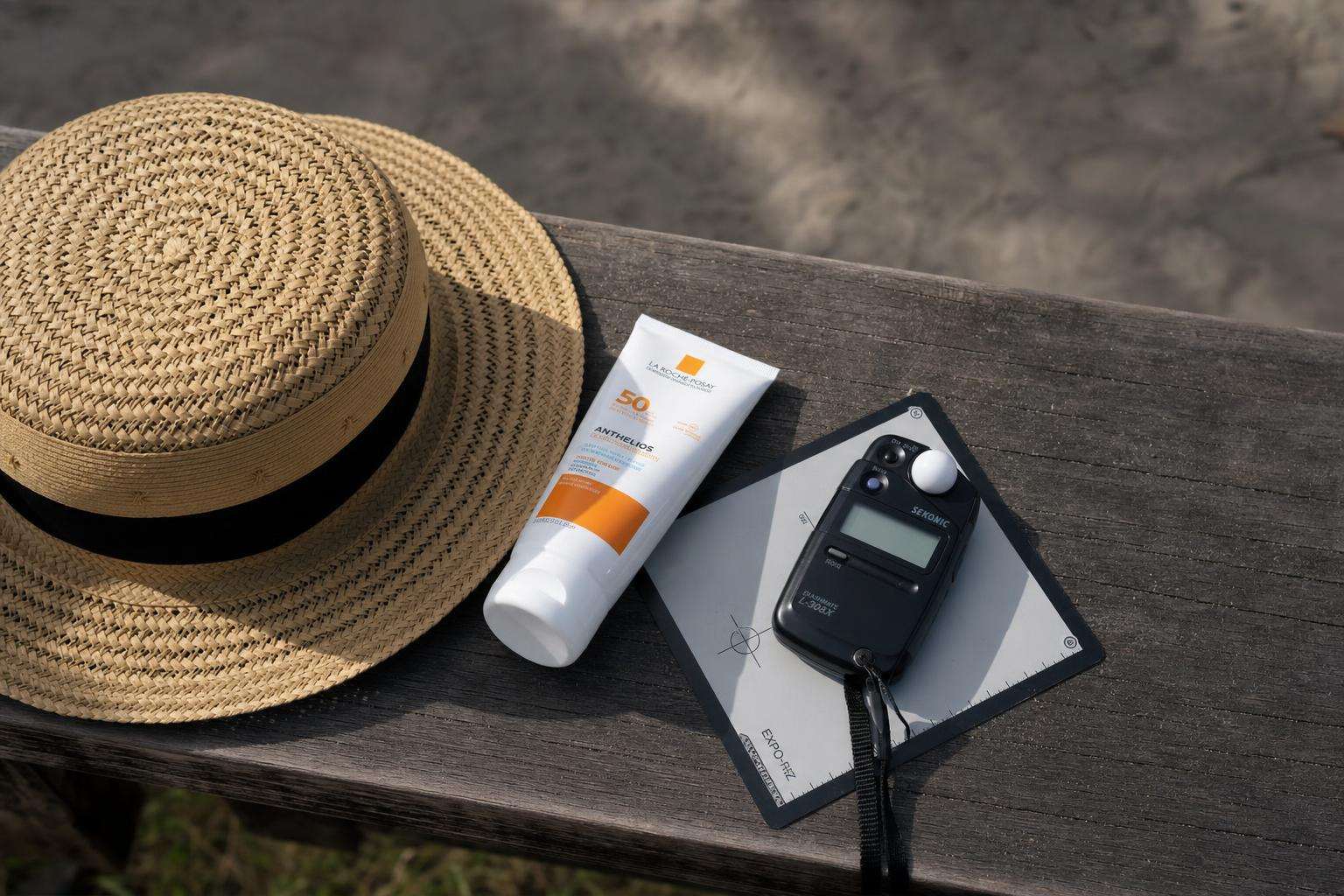
No universal D-minutes. Dose = UVB × skin × area × time. Prefer no burn + outdoor daylight habits; AAD rejects intentional UV-for-D. Supplements when needed.
Sunlight is multi-channel biology: vitamin D, circadian light, skin cancer risk, and nitric oxide pathways. Protocols that optimize only one channel fail adults who live in real latitudes.
This article is informational and editorial only. It is not medical advice, diagnosis, or a treatment plan. Numbers and literature ranges cited here are not personal prescriptions. Consult a qualified clinician before changing medications, supplements, diet, equipment, or management of a diagnosed condition. Seek urgent care for emergencies.
Why minute prescriptions fail?
Engelsen and related models show strong dependence on environment and skin.
Winter high latitudes may produce negligible UVB for D at ground level.
Apps that spit one number without skin/UV context overclaim precision.
What do major organizations emphasize?
WHO: UV risks and protection behaviors.
AAD: do not use intentional UV/tanning for vitamin D.
Endocrine guidance discusses empiric oral D for selected groups—follow current clinical documents.
| Factor | Effect on D/UV dose | Action |
|---|---|---|
| UV index / season | Strong | Check conditions |
| Skin pigmentation | Strong | Individualize |
| Exposed area | Strong | More skin ≠ always safer |
| Intentional tanning for D | Risk priority | AAD rejects |
| Oral D | Alternative path | Clinical guidance |
How to build outdoor habits without cultish burning?
Morning outdoor light for circadian cues with sensible clothing.
Shade/sunscreen for prolonged high-index exposure.
Never use sunburn as a success metric.
How do windows and indoor life change the math?
Glass blocks most UVB → indoor “sun” may not make D.
Indoor lifestyle raises deficiency risk especially in winter.
Test and supplement strategies belong with clinicians—not influencer bare-chest protocols.
Sources: WHO ultraviolet radiation fact sheet; AAD vitamin D position stats; Engelsen 2010 solar UV & vitamin D.
Readers should dual-source primary literature, translate slogans into exposure units and effect sizes, and rank interventions by expected value under uncertainty. Cheap reversible steps often outrank extreme protocols. Opportunity cost is real: hours spent on unvalidated tests are hours not spent on sleep, training, protein adequacy, and primary care. Sex, life stage, comorbidities, medications, and geography change interpretation. Prefer falsifiable claims with named endpoints over multi-disease cure lists. Update beliefs when stronger trials appear rather than freezing identity around a single paper or influencer narrative. Measured curiosity beats both panic and complacency. Further reading should prioritize primary sources and consensus documents over secondary social summaries. When evidence is mixed, state both the signal and the limits in the same paragraph. When evidence is strong, still avoid overclaiming universality across populations.
Context, dose, endpoint, and population must travel together; slogans that drop any of those four are not finished claims.
Context, dose, endpoint, and population must travel together; slogans that drop any of those four are not finished claims.
Context, dose, endpoint, and population must travel together; slogans that drop any of those four are not finished claims.
Context, dose, endpoint, and population must travel together; slogans that drop any of those four are not finished claims.
Context, dose, endpoint, and population must travel together; slogans that drop any of those four are not finished claims.
Context, dose, endpoint, and population must travel together; slogans that drop any of those four are not finished claims.
Context, dose, endpoint, and population must travel together; slogans that drop any of those four are not finished claims.
Context, dose, endpoint, and population must travel together; slogans that drop any of those four are not finished claims.
Context, dose, endpoint, and population must travel together; slogans that drop any of those four are not finished claims.
Context, dose, endpoint, and population must travel together; slogans that drop any of those four are not finished claims.
Context, dose, endpoint, and population must travel together; slogans that drop any of those four are not finished claims.
Context, dose, endpoint, and population must travel together; slogans that drop any of those four are not finished claims.
Context, dose, endpoint, and population must travel together; slogans that drop any of those four are not finished claims.
Context, dose, endpoint, and population must travel together; slogans that drop any of those four are not finished claims.
Context, dose, endpoint, and population must travel together; slogans that drop any of those four are not finished claims.
Context, dose, endpoint, and population must travel together; slogans that drop any of those four are not finished claims.
Context, dose, endpoint, and population must travel together; slogans that drop any of those four are not finished claims.
Context, dose, endpoint, and population must travel together; slogans that drop any of those four are not finished claims.
Context, dose, endpoint, and population must travel together; slogans that drop any of those four are not finished claims.
Context, dose, endpoint, and population must travel together; slogans that drop any of those four are not finished claims.
Context, dose, endpoint, and population must travel together; slogans that drop any of those four are not finished claims.
Context, dose, endpoint, and population must travel together; slogans that drop any of those four are not finished claims.
Context, dose, endpoint, and population must travel together; slogans that drop any of those four are not finished claims.
Sources & citations
Frequently asked