Light & Recovery
Indoor Lifestyle Costs: Vitamin D Gaps Plus Circadian Light Deficiency
Modern indoors deliver a double hit: weak UVB for vitamin D and weak daytime melanopic light plus evening screen excess. Mitigate with morning outdoor light, workplace daylight, oral D when indicated—not tanning beds.
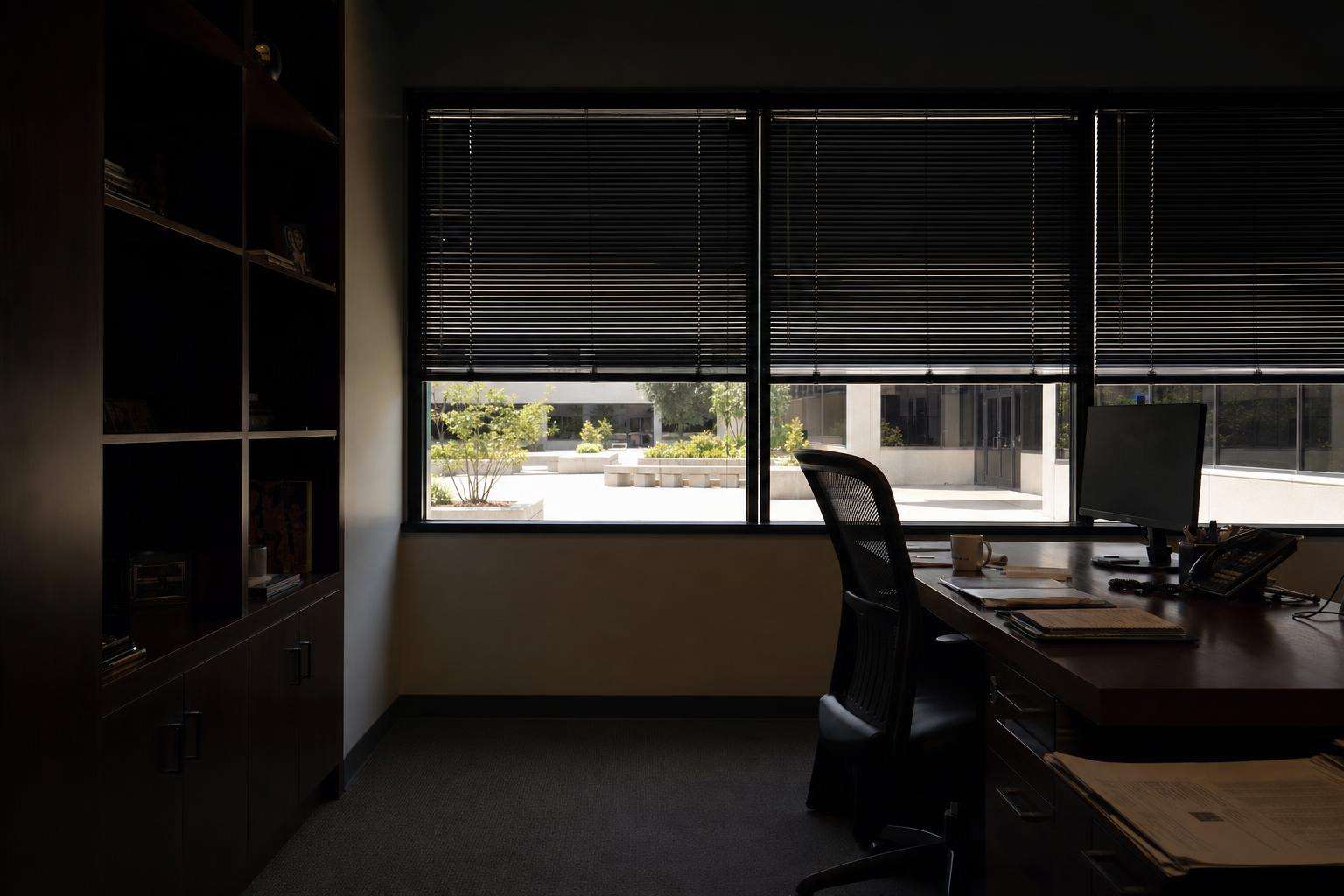
Indoor life: UVB↓ (vitamin D) + day melanopic light↓ / night light↑ (circadian). Fix with outdoor morning light, oral D when indicated, evening hygiene—not tanning.
Deficiency costs are not only bones. They are sleep, mood, metabolic strain, and missed easy outdoor light—stacked on optional oral D strategy.
This article is informational and editorial only. It is not medical advice, diagnosis, or a treatment plan. Numbers and literature ranges cited here are not personal prescriptions. Consult a qualified clinician before changing medications, supplements, diet, equipment, or management of a diagnosed condition. Seek urgent care for emergencies.
What population patterns show up?
Widespread low 25(OH)D across ages/latitudes in global reviews.
Children’s outdoor time historically low in some datasets.
Institutional living as a WHO oral-D consideration context.
How do circadian indoor failures present?
Daytime office lux too low for melanopic targets; evenings too bright from LEDs/screens.
Shift work as extreme misalignment.
Links to sleep loss, metabolic strain, mood vulnerability in circadian literature.
| Deficit | Driver | Fix |
|---|---|---|
| Low 25(OH)D | Indoor + latitude | Oral D if indicated + summer skin sense |
| Weak day signal | Low melanopic lux | Morning outdoor light |
| Night excess | Screens/LEDs | Dim evenings |
| Window UVA | Glass filters UVB | Not a D source |
| Shift work | Schedule | Specialist strategies |
What does ES 2024 change operationally?
Empiric D for selected groups (children, ≥75, pregnancy, high-risk prediabetes) without endorsing UV dosimetry for endocrine targets.
Against routine screening in healthy adults including many with dark complexion/obesity alone.
Pairs with lifestyle light hygiene that pills cannot replace.
What workplace and home design moves help?
Daylight access, outdoor breaks, task lighting that is bright by day and warm/dim by night.
Screen night modes are partial aids—not full outdoor substitutes.
Measure problems with behavior logs, not only 25(OH)D.
Sources: Engelsen vitamin D status UV; Brown et al. 2022 light recommendations; Endocrine Society 2024 vitamin D.
Readers should dual-source primary literature, translate slogans into exposure units and effect sizes, and rank interventions by expected value under uncertainty. Cheap reversible steps often outrank extreme protocols. Opportunity cost is real: hours spent on unvalidated tests are hours not spent on sleep, training, protein adequacy, and primary care. Sex, life stage, comorbidities, medications, and geography change interpretation. Prefer falsifiable claims with named endpoints over multi-disease cure lists. Update beliefs when stronger trials appear rather than freezing identity around a single paper or influencer narrative. Measured curiosity beats both panic and complacency. Further reading should prioritize primary sources and consensus documents over secondary social summaries. When evidence is mixed, state both the signal and the limits in the same paragraph. When evidence is strong, still avoid overclaiming universality across populations.
Context, dose, endpoint, and population must travel together; slogans that drop any of those four are not finished claims.
Context, dose, endpoint, and population must travel together; slogans that drop any of those four are not finished claims.
Context, dose, endpoint, and population must travel together; slogans that drop any of those four are not finished claims.
Context, dose, endpoint, and population must travel together; slogans that drop any of those four are not finished claims.
Context, dose, endpoint, and population must travel together; slogans that drop any of those four are not finished claims.
Context, dose, endpoint, and population must travel together; slogans that drop any of those four are not finished claims.
Context, dose, endpoint, and population must travel together; slogans that drop any of those four are not finished claims.
Context, dose, endpoint, and population must travel together; slogans that drop any of those four are not finished claims.
Context, dose, endpoint, and population must travel together; slogans that drop any of those four are not finished claims.
Context, dose, endpoint, and population must travel together; slogans that drop any of those four are not finished claims.
Context, dose, endpoint, and population must travel together; slogans that drop any of those four are not finished claims.
Context, dose, endpoint, and population must travel together; slogans that drop any of those four are not finished claims.
Context, dose, endpoint, and population must travel together; slogans that drop any of those four are not finished claims.
Context, dose, endpoint, and population must travel together; slogans that drop any of those four are not finished claims.
Context, dose, endpoint, and population must travel together; slogans that drop any of those four are not finished claims.
Context, dose, endpoint, and population must travel together; slogans that drop any of those four are not finished claims.
Context, dose, endpoint, and population must travel together; slogans that drop any of those four are not finished claims.
Context, dose, endpoint, and population must travel together; slogans that drop any of those four are not finished claims.
Context, dose, endpoint, and population must travel together; slogans that drop any of those four are not finished claims.
Context, dose, endpoint, and population must travel together; slogans that drop any of those four are not finished claims.
Context, dose, endpoint, and population must travel together; slogans that drop any of those four are not finished claims.
Context, dose, endpoint, and population must travel together; slogans that drop any of those four are not finished claims.
Sources & citations
Frequently asked