Light & Recovery
Red Light Therapy Safety and Contraindications: Eyes, Photosensitizers, Cancer, Pregnancy
PBM is generally well tolerated at therapeutic parameters—but eye exposure, photosensitizing drugs, active malignancy treatment sites, and pregnancy require IFU-level caution. Heat and overuse are user-error risks.
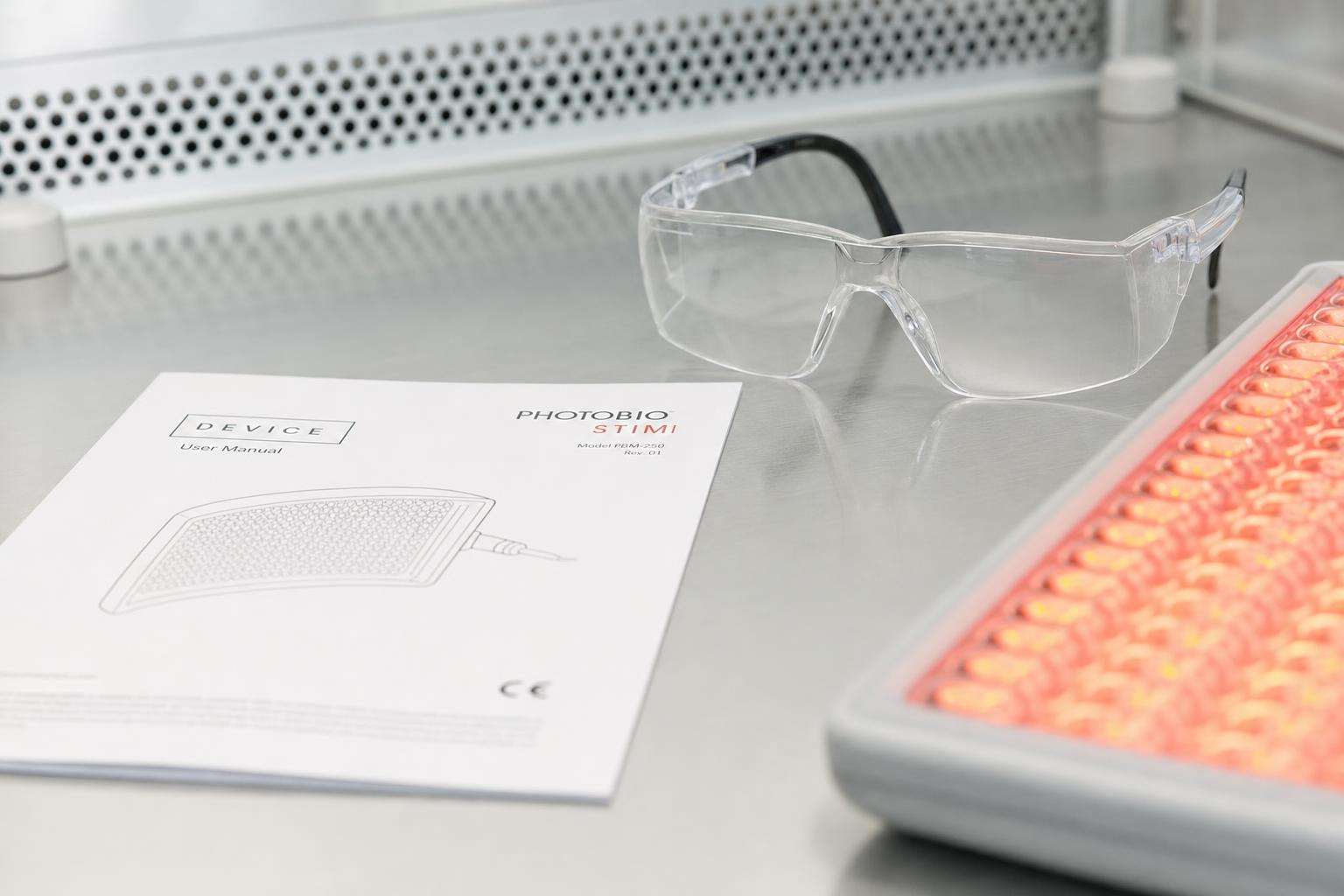
PBM safety is generally good at therapeutic doses—until eyes, photosensitizers, suspicious lesions, pregnancy IFUs, or thermal overload are ignored. Clearance and wellness marketing are not risk waivers.
Safety content is not scare marketing; it is how good tools stay good. Most PBM adverse events in consumers are preventable parameter and screening failures.
This article is informational and editorial only. It is not medical advice, diagnosis, or a treatment plan. Numbers and literature ranges cited here are not personal prescriptions. Consult a qualified clinician before changing medications, supplements, diet, equipment, or management of a diagnosed condition. Seek urgent care for emergencies.
What are the non-negotiable screens?
Eye protection plan for panels/lasers; no direct retinal staring.
Medication photosensitizer review.
No DIY treatment of undiagnosed pigmented or ulcerated lesions.
How do regulatory materials frame caution?
FDA PBM-oriented documents discuss labeling, pregnancy caution, and malignancy considerations.
IFUs overrule influencer protocols.
Medical indications (e.g., retinal devices) require medical pathways.
| Risk domain | Action | Notes |
|---|---|---|
| Eyes | Shield / no stare | High-irradiance LEDs/lasers |
| Photosensitizers | Med review | Phototoxicity |
| Malignancy | No DIY tumor light | Oncology direction only |
| Pregnancy | IFU + clinician | Limited RCTs |
| Thermal | Limit time/irradiance | Burns possible |
What operational risks appear at home?
Underestimated irradiance at contact; overestimated at distance leading to marathon sessions; heat buildup on skin; shared devices without hygiene.
Children and pets should not be unsupervised near high-output arrays.
When should users stop and escalate?
Vision changes, blistering, severe headache, lesion evolution, or systemic symptoms.
Null results after adequate indication-matched courses—reassess diagnosis rather than buy more watts.
Keep primary care/dermatology in the loop for medical complaints.
Sources: FDA PBM premarket materials; de Freitas & Hamblin 2016; McGill OSS PBM hype critique.
Readers should dual-source primary literature, translate slogans into exposure units and effect sizes, and rank interventions by expected value under uncertainty. Cheap reversible steps often outrank extreme protocols. Opportunity cost is real: hours spent on unvalidated tests are hours not spent on sleep, training, protein adequacy, and primary care. Sex, life stage, comorbidities, medications, and geography change interpretation. Prefer falsifiable claims with named endpoints over multi-disease cure lists. Update beliefs when stronger trials appear rather than freezing identity around a single paper or influencer narrative. Measured curiosity beats both panic and complacency. Further reading should prioritize primary sources and consensus documents over secondary social summaries. When evidence is mixed, state both the signal and the limits in the same paragraph. When evidence is strong, still avoid overclaiming universality across populations.
Context, dose, endpoint, and population must travel together; slogans that drop any of those four are not finished claims.
Context, dose, endpoint, and population must travel together; slogans that drop any of those four are not finished claims.
Context, dose, endpoint, and population must travel together; slogans that drop any of those four are not finished claims.
Context, dose, endpoint, and population must travel together; slogans that drop any of those four are not finished claims.
Context, dose, endpoint, and population must travel together; slogans that drop any of those four are not finished claims.
Context, dose, endpoint, and population must travel together; slogans that drop any of those four are not finished claims.
Context, dose, endpoint, and population must travel together; slogans that drop any of those four are not finished claims.
Context, dose, endpoint, and population must travel together; slogans that drop any of those four are not finished claims.
Context, dose, endpoint, and population must travel together; slogans that drop any of those four are not finished claims.
Context, dose, endpoint, and population must travel together; slogans that drop any of those four are not finished claims.
Context, dose, endpoint, and population must travel together; slogans that drop any of those four are not finished claims.
Context, dose, endpoint, and population must travel together; slogans that drop any of those four are not finished claims.
Context, dose, endpoint, and population must travel together; slogans that drop any of those four are not finished claims.
Context, dose, endpoint, and population must travel together; slogans that drop any of those four are not finished claims.
Context, dose, endpoint, and population must travel together; slogans that drop any of those four are not finished claims.
Context, dose, endpoint, and population must travel together; slogans that drop any of those four are not finished claims.
Context, dose, endpoint, and population must travel together; slogans that drop any of those four are not finished claims.
Context, dose, endpoint, and population must travel together; slogans that drop any of those four are not finished claims.
Context, dose, endpoint, and population must travel together; slogans that drop any of those four are not finished claims.
Context, dose, endpoint, and population must travel together; slogans that drop any of those four are not finished claims.
Context, dose, endpoint, and population must travel together; slogans that drop any of those four are not finished claims.
Context, dose, endpoint, and population must travel together; slogans that drop any of those four are not finished claims.
Context, dose, endpoint, and population must travel together; slogans that drop any of those four are not finished claims.
Context, dose, endpoint, and population must travel together; slogans that drop any of those four are not finished claims.
Sources & citations
Frequently asked