Light & Recovery
Red vs Near-Infrared Light Therapy: Wavelength Bands, Depth, and Use Cases
Red (~620–700 nm) targets more superficial tissues; NIR (~780–1100 nm class in devices) penetrates deeper on average. Band choice follows goal—not rainbow marketing.
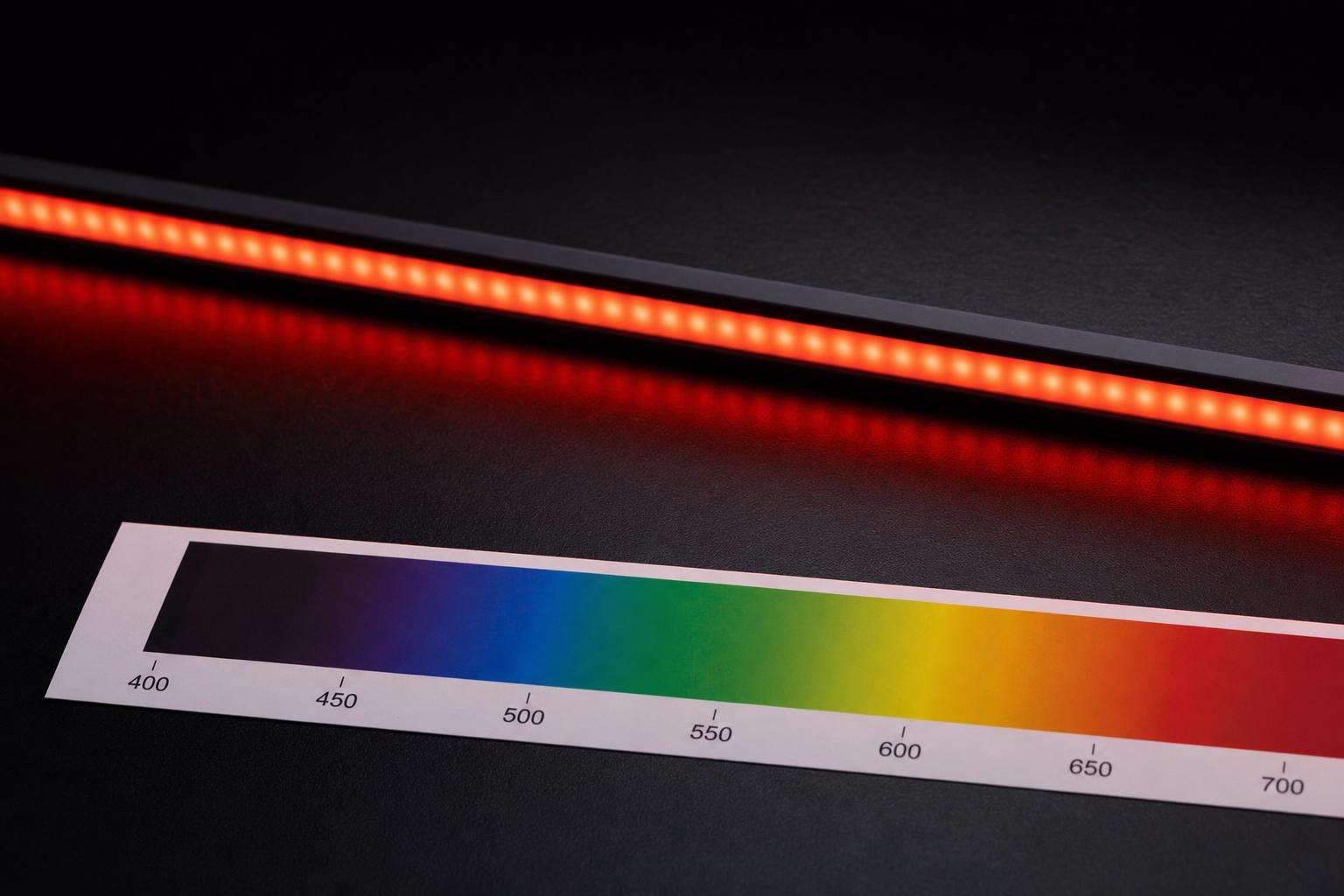
Red ≈ superficial; NIR ≈ deeper heuristic. Goal → band → dose. Multi-band panels ≠ automatic superiority. Sauna IR ≠ LED PBM.
Wavelength is the first filter on a light claim. Without it, you are comparing paint colors to X-rays and calling both “vibes.”
This article is informational and editorial only. It is not medical advice, diagnosis, or a treatment plan. Numbers and literature ranges cited here are not personal prescriptions. Consult a qualified clinician before changing medications, supplements, diet, equipment, or management of a diagnosed condition. Seek urgent care for emergencies.
How are bands typically grouped?
Visible red for cutaneous and shallow chromophores.
NIR windows used for deeper soft tissue in many MSK protocols.
Cytochrome c oxidase and other chromophores absorb across these windows with complex biology.
What mistakes do buyers make?
Assuming invisible NIR is working without specs.
Equating sauna heat panels with PBM fluence maps.
Chasing rainbow LEDs irrelevant to evidence bands.
| Band | Approx consumer peaks | Heuristic use |
|---|---|---|
| Red | 630–660 nm common | Skin/superficial |
| NIR | 810–850–980 nm class | Deeper soft tissue |
| Red+NIR panel | Both | If each band dosed |
| Sauna IR heat | Broadband thermal | Not LED PBM |
How to match use cases?
Hair/skin literature often red-heavy.
Deeper pain protocols often include NIR.
Metabolic whole-body claims remain evidence-thin regardless of band fashion.
What belongs on a device scorecard?
Peak wavelengths, irradiance at stated distance, coverage area, timer accuracy, eye safety guidance, trial-like protocols.
FDA clearance language literacy—clearance ≠ cure-all approval.
Return policies for real-world testing periods.
Sources: Hamblin PBM wavelength/mechanism review; PBM parameter literature; FDA devices claims context.
Readers should dual-source primary literature, translate slogans into exposure units and effect sizes, and rank interventions by expected value under uncertainty. Cheap reversible steps often outrank extreme protocols. Opportunity cost is real: hours spent on unvalidated tests are hours not spent on sleep, training, protein adequacy, and primary care. Sex, life stage, comorbidities, medications, and geography change interpretation. Prefer falsifiable claims with named endpoints over multi-disease cure lists. Update beliefs when stronger trials appear rather than freezing identity around a single paper or influencer narrative. Measured curiosity beats both panic and complacency. Further reading should prioritize primary sources and consensus documents over secondary social summaries. When evidence is mixed, state both the signal and the limits in the same paragraph. When evidence is strong, still avoid overclaiming universality across populations.
Context, dose, endpoint, and population must travel together; slogans that drop any of those four are not finished claims.
Context, dose, endpoint, and population must travel together; slogans that drop any of those four are not finished claims.
Context, dose, endpoint, and population must travel together; slogans that drop any of those four are not finished claims.
Context, dose, endpoint, and population must travel together; slogans that drop any of those four are not finished claims.
Context, dose, endpoint, and population must travel together; slogans that drop any of those four are not finished claims.
Context, dose, endpoint, and population must travel together; slogans that drop any of those four are not finished claims.
Context, dose, endpoint, and population must travel together; slogans that drop any of those four are not finished claims.
Context, dose, endpoint, and population must travel together; slogans that drop any of those four are not finished claims.
Context, dose, endpoint, and population must travel together; slogans that drop any of those four are not finished claims.
Context, dose, endpoint, and population must travel together; slogans that drop any of those four are not finished claims.
Context, dose, endpoint, and population must travel together; slogans that drop any of those four are not finished claims.
Context, dose, endpoint, and population must travel together; slogans that drop any of those four are not finished claims.
Context, dose, endpoint, and population must travel together; slogans that drop any of those four are not finished claims.
Context, dose, endpoint, and population must travel together; slogans that drop any of those four are not finished claims.
Context, dose, endpoint, and population must travel together; slogans that drop any of those four are not finished claims.
Context, dose, endpoint, and population must travel together; slogans that drop any of those four are not finished claims.
Context, dose, endpoint, and population must travel together; slogans that drop any of those four are not finished claims.
Context, dose, endpoint, and population must travel together; slogans that drop any of those four are not finished claims.
Context, dose, endpoint, and population must travel together; slogans that drop any of those four are not finished claims.
Context, dose, endpoint, and population must travel together; slogans that drop any of those four are not finished claims.
Context, dose, endpoint, and population must travel together; slogans that drop any of those four are not finished claims.
Context, dose, endpoint, and population must travel together; slogans that drop any of those four are not finished claims.
Context, dose, endpoint, and population must travel together; slogans that drop any of those four are not finished claims.
Context, dose, endpoint, and population must travel together; slogans that drop any of those four are not finished claims.
Context, dose, endpoint, and population must travel together; slogans that drop any of those four are not finished claims.
Sources & citations
Frequently asked