Light & Recovery
Red Light Therapy Biphasic Dose Response: Arndt-Schulz and Why More Is Not Better
Photobiomodulation shows biphasic dose responses: too little does nothing; too much can inhibit. Fluence, irradiance, and distance beat unlimited session bragging.
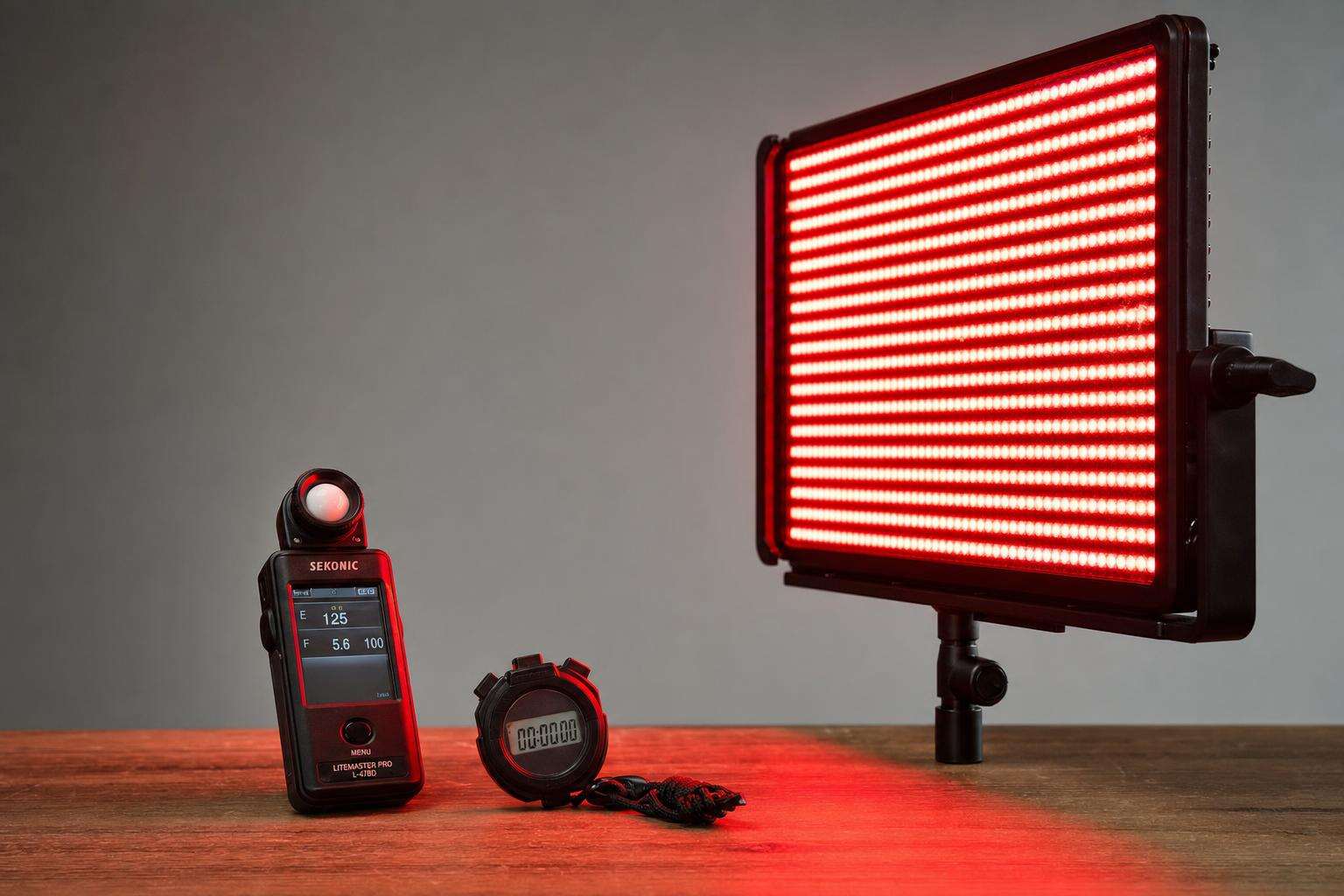
PBM is biphasic: underdose null, sweet spot, overdose can inhibit. Track fluence + irradiance + distance—not bravado minutes.
Light is a dose, not a lifestyle identity. The same photons that help at one energy density can do less—or worse—at another.
This article is informational and editorial only. It is not medical advice, diagnosis, or a treatment plan. Numbers and literature ranges cited here are not personal prescriptions. Consult a qualified clinician before changing medications, supplements, diet, equipment, or management of a diagnosed condition. Seek urgent care for emergencies.
What is the Arndt-Schulz idea in PBM?
Low stimulus may be inert; moderate stimulates; high can inhibit cellular responses.
Mitochondrial and redox signaling pathways are dose-sensitive.
Reviews by Hamblin and others repeatedly emphasize non-linear dosing.
Which variables must be reported?
Wavelength band (red vs NIR), irradiance at treatment distance, time, fluence, treatment area, schedule.
Device power alone is not fluence.
Skin pigmentation and hair can alter delivered dose.
| Dose zone | Expected response | User error |
|---|---|---|
| Too low | Null | Too far / too short |
| Optimal window | Benefit | Match trial-class params |
| Too high | Plateau/inhibit | Endless sessions |
| Unknown | Lottery | No irradiance data |
How do home panels create dose chaos?
Unknown irradiance maps; users changing distance daily.
Whole-body exposure ≠ dermatology spot doses.
Stacking multi-daily sessions without outcome tracking.
What should protocols do instead?
Pick goal-based parameter windows from better trials.
Standardize distance; use timers; reassess at 4–8 weeks.
Seek clinician guidance for medical claims and eye protection norms.
Sources: Hamblin PBM review context; PBM dosing/biphasic literature entry; FDA medical devices portal (claims context).
Readers should dual-source primary literature, translate slogans into exposure units and effect sizes, and rank interventions by expected value under uncertainty. Cheap reversible steps often outrank extreme protocols. Opportunity cost is real: hours spent on unvalidated tests are hours not spent on sleep, training, protein adequacy, and primary care. Sex, life stage, comorbidities, medications, and geography change interpretation. Prefer falsifiable claims with named endpoints over multi-disease cure lists. Update beliefs when stronger trials appear rather than freezing identity around a single paper or influencer narrative. Measured curiosity beats both panic and complacency. Further reading should prioritize primary sources and consensus documents over secondary social summaries. When evidence is mixed, state both the signal and the limits in the same paragraph. When evidence is strong, still avoid overclaiming universality across populations.
Context, dose, endpoint, and population must travel together; slogans that drop any of those four are not finished claims.
Context, dose, endpoint, and population must travel together; slogans that drop any of those four are not finished claims.
Context, dose, endpoint, and population must travel together; slogans that drop any of those four are not finished claims.
Context, dose, endpoint, and population must travel together; slogans that drop any of those four are not finished claims.
Context, dose, endpoint, and population must travel together; slogans that drop any of those four are not finished claims.
Context, dose, endpoint, and population must travel together; slogans that drop any of those four are not finished claims.
Context, dose, endpoint, and population must travel together; slogans that drop any of those four are not finished claims.
Context, dose, endpoint, and population must travel together; slogans that drop any of those four are not finished claims.
Context, dose, endpoint, and population must travel together; slogans that drop any of those four are not finished claims.
Context, dose, endpoint, and population must travel together; slogans that drop any of those four are not finished claims.
Context, dose, endpoint, and population must travel together; slogans that drop any of those four are not finished claims.
Context, dose, endpoint, and population must travel together; slogans that drop any of those four are not finished claims.
Context, dose, endpoint, and population must travel together; slogans that drop any of those four are not finished claims.
Context, dose, endpoint, and population must travel together; slogans that drop any of those four are not finished claims.
Context, dose, endpoint, and population must travel together; slogans that drop any of those four are not finished claims.
Context, dose, endpoint, and population must travel together; slogans that drop any of those four are not finished claims.
Context, dose, endpoint, and population must travel together; slogans that drop any of those four are not finished claims.
Context, dose, endpoint, and population must travel together; slogans that drop any of those four are not finished claims.
Context, dose, endpoint, and population must travel together; slogans that drop any of those four are not finished claims.
Context, dose, endpoint, and population must travel together; slogans that drop any of those four are not finished claims.
Context, dose, endpoint, and population must travel together; slogans that drop any of those four are not finished claims.
Context, dose, endpoint, and population must travel together; slogans that drop any of those four are not finished claims.
Context, dose, endpoint, and population must travel together; slogans that drop any of those four are not finished claims.
Context, dose, endpoint, and population must travel together; slogans that drop any of those four are not finished claims.
Context, dose, endpoint, and population must travel together; slogans that drop any of those four are not finished claims.
Sources & citations
Frequently asked