Light & Recovery
PBM for Diabetes Complications vs Glycemia: Do Not Launder Indications
Wound and neuropathy PBM data are not proof that light lowers A1C. Keep indication labels honest.
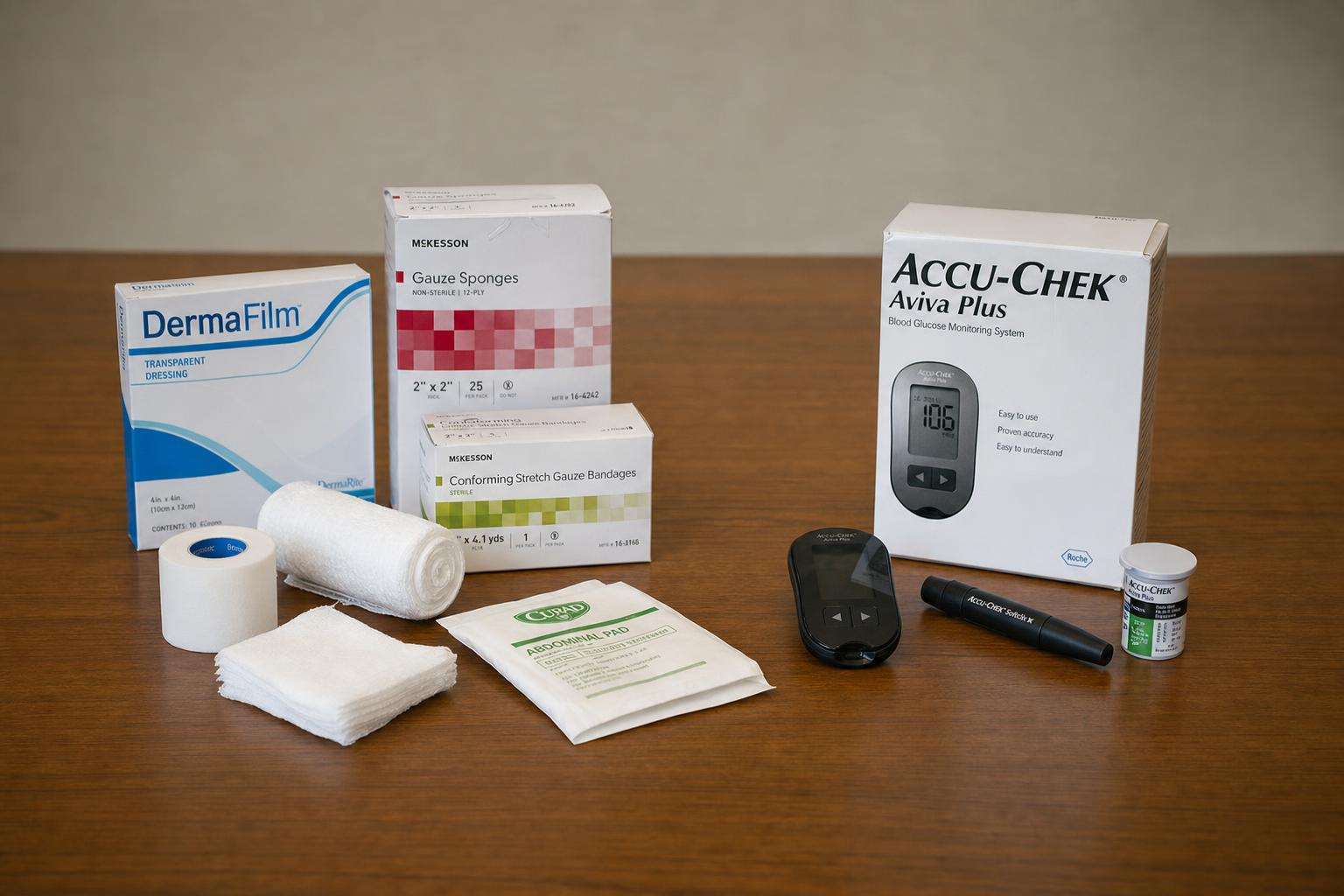
Separate shelves: PBM for some complications (wounds) vs PBM for glycemia (early/experimental). Citing DFU trials to sell blood-sugar cures is indication laundering.
Evidence has labels. Ripping the label off a wound paper and pasting it on a glucose ad is how people get hurt financially—and sometimes medically if care is delayed.
This article is informational and editorial only. It is not medical advice, diagnosis, or a treatment plan. Numbers and literature ranges cited here are not personal prescriptions. Consult a qualified clinician before changing medications, supplements, diet, equipment, or management of a diagnosed condition. Seek urgent care for emergencies.
Complications literature snapshot
DFU adjunct healing endpoints dominate clinical PBM diabetes discussions relative to clamp studies.
Standard care (offloading, perfusion, infection) remains irreplaceable.
Heterogeneity in wavelength and dose still limits meta-analytic certainty.
Glycemia literature snapshot
Healthy acute OGTT pilot signal; animal IR improvements; sparse durable T2D A1C RCTs of high quality.
Reviews should say “emerging” not “established therapy.”
Exercise co-interventions can confound metabolic PBM trials.
| Claim type | Needs evidence from | Not satisfied by |
|---|---|---|
| Heals DFU faster | Wound RCTs/SRs + SOC | OGTT healthy pilot |
| Lowers A1C | T2D glycemic RCTs | DFU healing papers |
| Improves IR | Clamp/HOMA trials | Mechanism cartoons alone |
| Replaces metformin | Comparative outcomes | Any current PBM set |
| Adjunct wellness | Safety + honesty | Disease-cure ads |
How to audit a marketing claim in 30 seconds
What endpoint? What population? How long? Sham control? Dose reported?
Are citations wound papers or glucose papers?
Is SOC mentioned or mocked? Mocking SOC is a red flag.
Ethical content rules for publishers
One H2 for complications, one H2 for glycemia, never fused into a single miracle paragraph.
Preserve numbers with population tags.
Link readers to ADA care standards for disease management.
Sources: Wang 2024 PBM in diabetes review; Powner OGTT pilot; ADA Standards of Care.
Readers should dual-source primary literature, translate slogans into exposure units and effect sizes, and rank interventions by expected value under uncertainty. Cheap reversible steps often outrank extreme protocols. Opportunity cost is real: hours spent on unvalidated tests are hours not spent on sleep, training, protein adequacy, and primary care. Sex, life stage, comorbidities, medications, and geography change interpretation. Prefer falsifiable claims with named endpoints over multi-disease cure lists. Update beliefs when stronger trials appear rather than freezing identity around a single paper or influencer narrative. Measured curiosity beats both panic and complacency. Further reading should prioritize primary sources and consensus documents over secondary social summaries. When evidence is mixed, state both the signal and the limits in the same paragraph. When evidence is strong, still avoid overclaiming universality across populations.
Context, dose, endpoint, and population must travel together; slogans that drop any of those four are not finished claims.
Context, dose, endpoint, and population must travel together; slogans that drop any of those four are not finished claims.
Context, dose, endpoint, and population must travel together; slogans that drop any of those four are not finished claims.
Context, dose, endpoint, and population must travel together; slogans that drop any of those four are not finished claims.
Context, dose, endpoint, and population must travel together; slogans that drop any of those four are not finished claims.
Context, dose, endpoint, and population must travel together; slogans that drop any of those four are not finished claims.
Context, dose, endpoint, and population must travel together; slogans that drop any of those four are not finished claims.
Context, dose, endpoint, and population must travel together; slogans that drop any of those four are not finished claims.
Context, dose, endpoint, and population must travel together; slogans that drop any of those four are not finished claims.
Context, dose, endpoint, and population must travel together; slogans that drop any of those four are not finished claims.
Context, dose, endpoint, and population must travel together; slogans that drop any of those four are not finished claims.
Context, dose, endpoint, and population must travel together; slogans that drop any of those four are not finished claims.
Context, dose, endpoint, and population must travel together; slogans that drop any of those four are not finished claims.
Context, dose, endpoint, and population must travel together; slogans that drop any of those four are not finished claims.
Context, dose, endpoint, and population must travel together; slogans that drop any of those four are not finished claims.
Context, dose, endpoint, and population must travel together; slogans that drop any of those four are not finished claims.
Context, dose, endpoint, and population must travel together; slogans that drop any of those four are not finished claims.
Context, dose, endpoint, and population must travel together; slogans that drop any of those four are not finished claims.
Context, dose, endpoint, and population must travel together; slogans that drop any of those four are not finished claims.
Context, dose, endpoint, and population must travel together; slogans that drop any of those four are not finished claims.
Context, dose, endpoint, and population must travel together; slogans that drop any of those four are not finished claims.
Context, dose, endpoint, and population must travel together; slogans that drop any of those four are not finished claims.
Context, dose, endpoint, and population must travel together; slogans that drop any of those four are not finished claims.
Sources & citations
Frequently asked