Evidence-dense health optimization

Health Canon

Light & Recovery

The Sunlight and Circadian-Rhythm Routine (2026)

Morning outdoor light, daytime activity light, dim evenings, dark sleep—UV safety without cave dwelling.
14 MIN READ 3 SOURCES
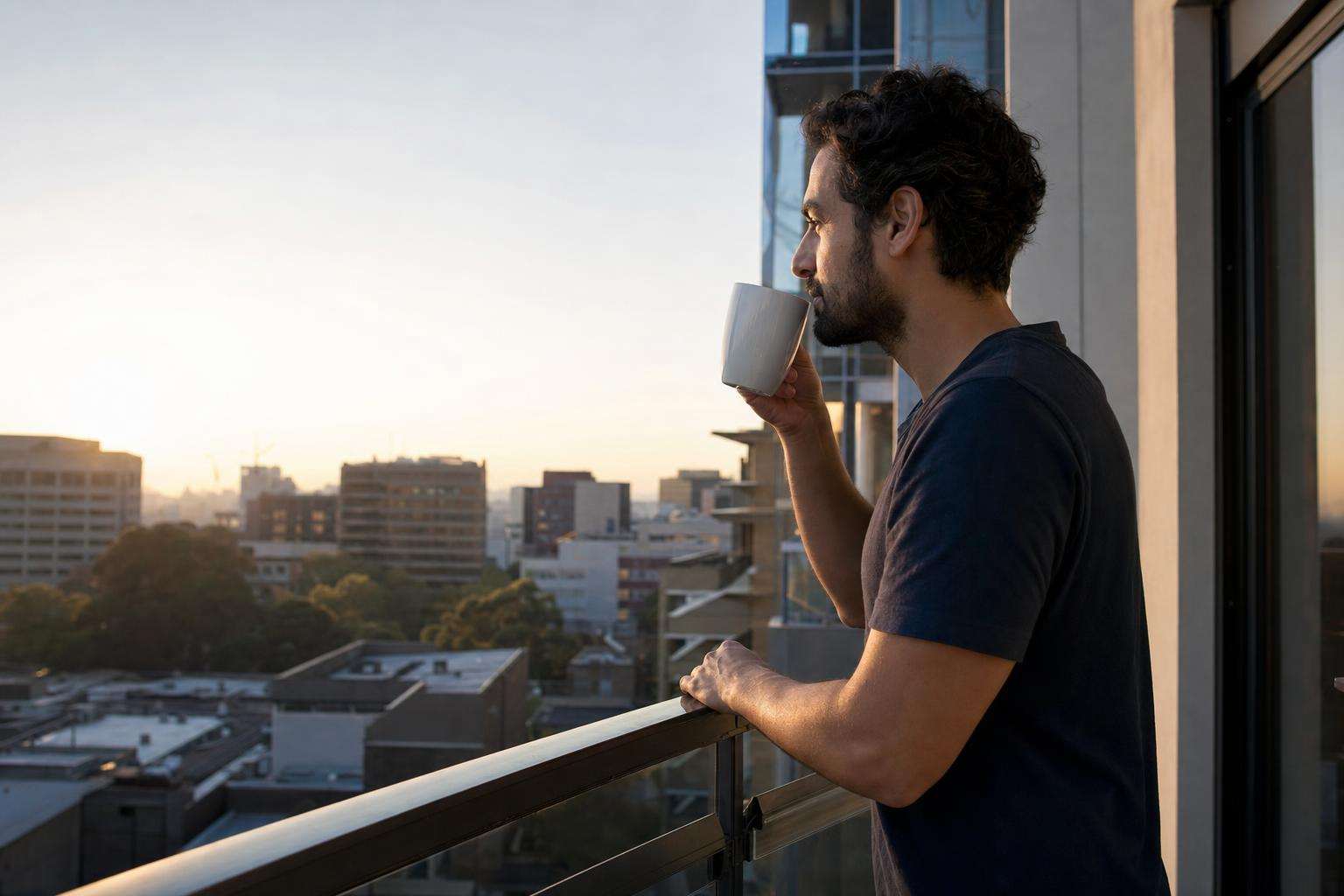
Light & Recovery Sunrise light through a window onto a simple breakfast table, no people
Illustration: Health Canon

morning lightdim eveningsdark sleepUVschedule

Bottom line

Morning outdoor light, dim nights, dark sleep—UV-aware, not anti-sun.

  • Get outdoor morning light most days within the first hours after waking — Strong zeitgeber for circadian timing with high practical effect.
  • Dim household lights and screens in the last 1–2 evening hours — Free melatonin-friendly environment without gadgets.
  • Outdoor walk breaks + consistent schedule; consider clinician-guided light tools if disordered — Indoor-only days weaken circadian signals; tools are adjuncts.

How we built this guide

Ranked by circadian effect size, adherence, UV safety integration, and resistance to gadget-first biohacking.

  • Dose / clinical impact. Likely effect on exposure or health decision quality.
  • Evidence base. Agency guidance, trials, or consensus statements.
  • Adherence cost. Money, time, and household friction.
  • Harm of misuse. Whether bad execution creates new risks.

Key takeaways

  1. Get morning outdoor light soon after waking
  2. Keep days bright and active, and avoid cave lighting
  3. Dim the evening and cut overhead blue-rich light
  4. Make the bedroom dark, cool, and phone-free
  5. Practice UV-aware sun habits without eliminating sun
  6. Hold steady sleep-wake times and a caffeine cutoff

Get morning outdoor light soon after waking

Sky > ring light

Outdoor light in the morning—even on cloudy days—provides much higher illuminance than typical indoor lighting and is a primary circadian zeitgeber. Ranked first in the sunlight circadian stack: step outside for minutes most mornings, combine with a short walk when possible, and keep sunglasses off briefly if safe for your eyes and environment (never stare at the sun). Night-shift workers need specialized plans—this default is for day-aligned people. Consistency beats occasional heroic sun sessions. Pair with caffeine timing awareness so late coffee does not erase sleep gains. This layer is free and foundational before panels or glasses marketing. Document changes and reassess after several weeks so habits stick rather than cycling novelty. Coordinate with household members when shared products or schedules determine adherence. Prefer primary agency and clinical guidance over social-media summaries when stakes are high. Escalate to a qualified clinician when red-flag symptoms appear rather than indefinite self-experimentation. Spend first dollars and attention on the highest-yield steps; optional upgrades come later.

Who this is for: Day-active adults seeking better sleep timing

Do

  • Strong circadian signal
  • Free
  • Combines with walking benefits
  • Reduces gadget dependence

Watch out

  • Weather, safety, and mobility constraints

Keep days bright and active, and avoid cave lighting

Contrast builds night

Circadian systems use day–night contrast. Ranked second: work near windows when feasible, take outdoor breaks, and avoid spending the entire day in dim caves then blasting screens at night. Exercise outdoors multiplies benefits. Plants and décor do not replace lux. If you use bright light therapy devices for seasonal mood issues, that is a clinical-adjacent tool—not required for everyone. Measure success by schedule regularity and sleepiness patterns, not influencer lux meters alone. Document changes and reassess after several weeks so habits stick rather than cycling novelty. Coordinate with household members when shared products or schedules determine adherence. Prefer primary agency and clinical guidance over social-media summaries when stakes are high. Escalate to a qualified clinician when red-flag symptoms appear rather than indefinite self-experimentation. Spend first dollars and attention on the highest-yield steps; optional upgrades come later. Keep records of labs, product labels, and exposures so trends are visible across visits. Revisit decisions when life stage, pregnancy, travel, or housing conditions change materially.

Who this is for: Indoor workers

Do

  • Builds day/night contrast
  • Supports mood and activity
  • Workplace adaptable
  • Reduces over-reliance on evening hacks

Watch out

  • Open-plan offices without windows need creative breaks

Dim the evening and cut overhead blue-rich light

Protect the falling phase

Evening light—especially bright overhead and short-wavelength-rich screen light—can delay circadian phase and suppress melatonin. Ranked high: dim lamps, use warmer light, reduce non-essential screens in the last hours, and enable night modes as partial help (behavior > filters alone). Keep bedrooms for sleep, not bright TV marathons when struggling. Family negotiations matter. This layer pairs with our sleep light hygiene listicle. Do not drive dimness into depression-cave extremes during daytime. Document changes and reassess after several weeks so habits stick rather than cycling novelty. Coordinate with household members when shared products or schedules determine adherence. Prefer primary agency and clinical guidance over social-media summaries when stakes are high. Escalate to a qualified clinician when red-flag symptoms appear rather than indefinite self-experimentation. Spend first dollars and attention on the highest-yield steps; optional upgrades come later. Keep records of labs, product labels, and exposures so trends are visible across visits. Revisit decisions when life stage, pregnancy, travel, or housing conditions change materially.

Who this is for: People with delayed sleep phase tendencies

Do

  • High leverage for sleep onset
  • Low cost
  • Household-level rules possible
  • Complements morning light

Watch out

  • Entertainment and social friction

Make the bedroom dark, cool, and phone-free

Complete the stack at night

Darkness during sleep consolidates the stack: blackout where needed, cover LEDs, remove phones from the pillow, and keep temperature comfortable. Ranked as the night keystone with EMF/sleep co-benefits from phone distance. Eye masks help travelers. Kids’ night-lights should be dim and low. If you wake to toilet lights, use low path lighting. Treat snoring and apnea risks medically rather than only optimizing blackout curtains. The stack fails if nights are bright and fragmented. Document changes and reassess after several weeks so habits stick rather than cycling novelty. Coordinate with household members when shared products or schedules determine adherence. Prefer primary agency and clinical guidance over social-media summaries when stakes are high. Escalate to a qualified clinician when red-flag symptoms appear rather than indefinite self-experimentation. Spend first dollars and attention on the highest-yield steps; optional upgrades come later. Keep records of labs, product labels, and exposures so trends are visible across visits. Revisit decisions when life stage, pregnancy, travel, or housing conditions change materially.

Who this is for: Light-sensitive sleepers

Do

  • Improves sleep continuity
  • Simple environment design
  • Travel adaptable
  • Pairs with phone hygiene

Watch out

  • Urban light pollution; shift work complexity

Practice UV-aware sun habits without eliminating sun

Circadian light ≠ unprotected burning

Skin cancer prevention and circadian outdoor light can coexist: get morning light without aiming for burns; use shade, clothing, and sunscreen for prolonged high-UV exposure per dermatology guidance; never use tanning beds for “circadian health.” Ranked to disarm false binaries from both anti-sunscreen and anti-sun camps. Vitamin D decisions use labs and diet/supplements when indicated—not intentional burning. Peak UV noon beach hours differ from a 20-minute morning walk. This layer keeps the stack medically responsible. Document changes and reassess after several weeks so habits stick rather than cycling novelty. Coordinate with household members when shared products or schedules determine adherence. Prefer primary agency and clinical guidance over social-media summaries when stakes are high. Escalate to a qualified clinician when red-flag symptoms appear rather than indefinite self-experimentation. Spend first dollars and attention on the highest-yield steps; optional upgrades come later. Keep records of labs, product labels, and exposures so trends are visible across visits. Revisit decisions when life stage, pregnancy, travel, or housing conditions change materially.

Who this is for: People confused by sunscreen vs sunlight debates

Do

  • Integrates dermatology safety
  • Rejects false binaries
  • Practical timing differences
  • Supports vitamin D tree thinking

Watch out

  • Messages get polarized online—stay nuanced

Hold steady sleep-wake times and a caffeine cutoff

Behavior locks the light work

Light is powerful, but chaotic bedtimes and late caffeine erase gains. Ranked last as the behavioral lock: keep wake time stable (even after bad nights), set a caffeine cutoff afternoon for most people, and use consistent wind-down cues. Social jet lag from huge weekend shifts undermines the stack. Shift workers need tailored strategies beyond this default stack. Track two weeks before adding expensive dawn simulators. Foundations remain free. Document changes and reassess after several weeks so habits stick rather than cycling novelty. Coordinate with household members when shared products or schedules determine adherence. Prefer primary agency and clinical guidance over social-media summaries when stakes are high. Escalate to a qualified clinician when red-flag symptoms appear rather than indefinite self-experimentation. Spend first dollars and attention on the highest-yield steps; optional upgrades come later. Keep records of labs, product labels, and exposures so trends are visible across visits. Revisit decisions when life stage, pregnancy, travel, or housing conditions change materially.

Who this is for: People with irregular sleep timing

Do

  • Amplifies light interventions
  • Addresses common sleep thieves
  • Measurable routines
  • Low cost

Watch out

  • Social schedules conflict; addiction to late screens

Frequently asked

How many minutes of morning light do I need?

Research and clinical guidance vary by condition and latitude; many people benefit from regular morning outdoor time on the order of minutes to a couple of tens of minutes most days. Consistency matters more than exact stopwatch perfection. Seek clinical light-therapy protocols for diagnosed disorders.

Can I replace outdoor light with a bright indoor lamp?

Specialized bright light devices can help selected problems under guidance, but outdoor sky light is often stronger and free. Try outdoor defaults first for general circadian hygiene. Device use for seasonal depression should involve clinical advice. Confirm details with a qualified clinician or primary guidance document when your situation is high-stakes.

Does sunscreen block circadian benefits?

Circadian photoreception is primarily via the eyes’ specialized retinal cells responding to light, not via tanning the skin. You can wear sunscreen on skin for UV protection while still getting visual outdoor light. Do not stare at the sun. Dermatology and circadian goals are compatible.

What about night-shift workers?

Shift work requires specialized strategies that may invert timing advice; this daytime stack is not a full shift-work protocol. Discuss fatigue management and medical risks with occupational or sleep clinicians. Prioritize safety-critical alertness. Confirm details with a qualified clinician or primary guidance document when your situation is high-stakes.

Is late-night sunlight through screens the same as sun?

No. Screens are not equivalent to outdoor spectra and intensity, and late bright light can delay sleep. Reduce evening screen brightness and time; do not treat phones as circadian medicine. Confirm details with a qualified clinician or primary guidance document when your situation is high-stakes.