Evidence-dense health optimization

Health Canon

Light & Recovery

How Often to Use the Sauna: Protocols Compared (2026)

Finnish-style frequency bands, session length, heat type, and safety gates ranked for real-world adherence.
14 MIN READ 3 SOURCES
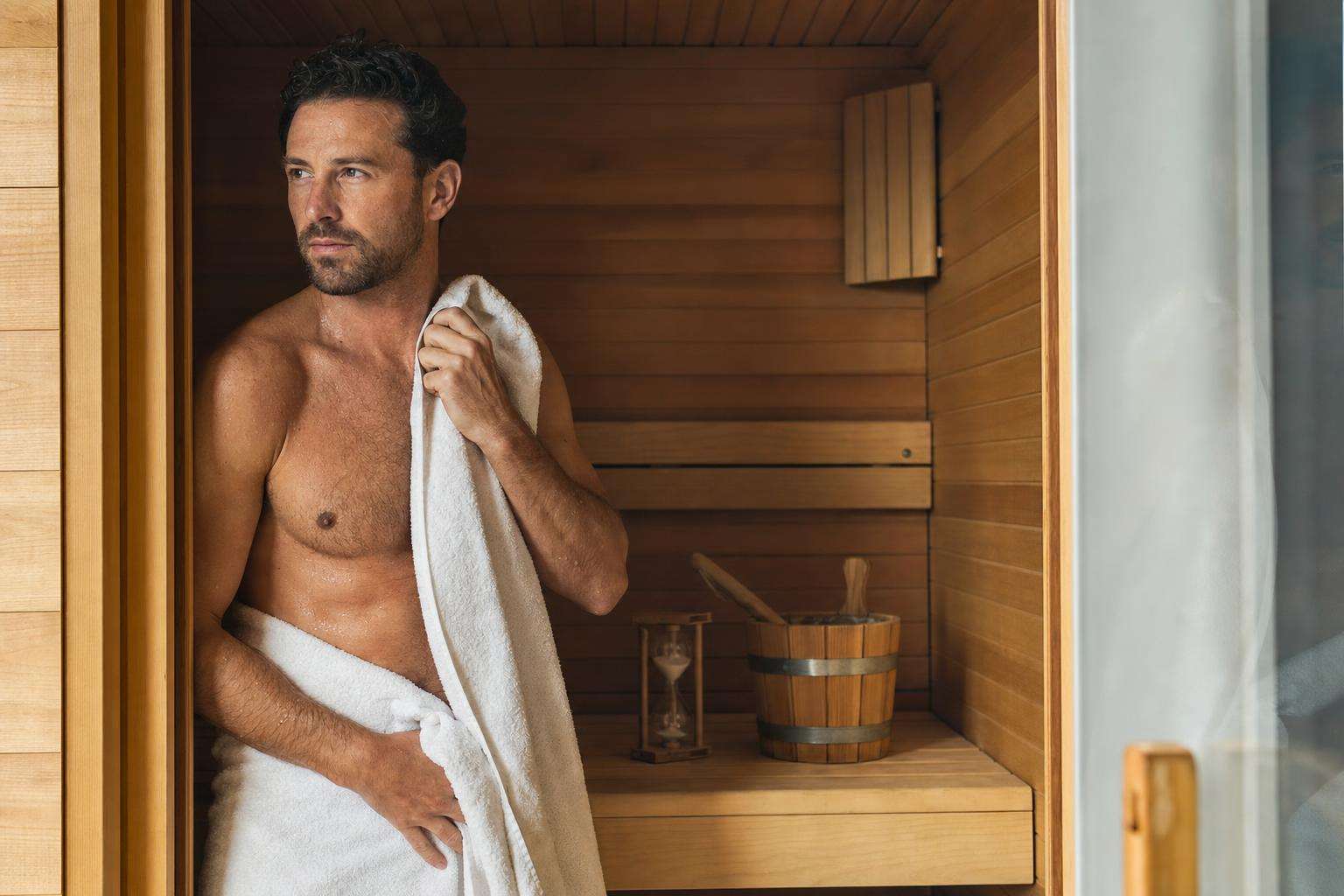
Light & Recovery Wooden sauna interior with thermometer on the wall, no people
Illustration: Health Canon

4–7x/weekdurationsafetyIR vs traditionalBP

Bottom line

Frequent moderate heat, safety first—skip monthly heroics.

  • Aim for frequent weekly sessions you can sustain (often 3–7 if cleared) — Finnish observational patterns favor frequency; adherence beats rare extremes.
  • Start 2x/week short sessions, progress time before temperature bragging — Low drop-out on-ramp that still builds heat tolerance.
  • 2–4 post-training sessions weekly with hydration and exit rules — Stacks with training logistics without daily facility dependence.

How we built this guide

Ranked by alignment with frequency-focused observational signals, safety, adherence, and clarity of heat modality limits.

  • Dose / clinical impact. Likely effect on exposure or health decision quality.
  • Evidence base. Agency guidance, trials, or consensus statements.
  • Adherence cost. Money, time, and household friction.
  • Harm of misuse. Whether bad execution creates new risks.

Key takeaways

  1. Clear medical and situational safety gates first
  2. Favor frequent moderate sessions over rare extremes
  3. Build duration before chasing temperature bragging rights
  4. Use post-exercise heat strategically, not every hard day
  5. Know traditional versus infrared frequency expectations
  6. Fold in blood-pressure, sleep, and recovery feedback

Clear medical and situational safety gates first

Frequency is irrelevant if you should not heat-stress

Before optimizing sessions per week, screen for unstable angina, recent MI concerns, severe aortic stenosis, uncontrolled arrhythmias, pregnancy cautions, alcohol intoxication, and medication-related heat risks with a clinician when applicable. Ranked first because frequency protocols assume a person who can tolerate heat stress. Sauna after heavy drinking is a classic hazard pattern. Exit for dizziness, chest pain, confusion, or extreme tachycardia. Cool environments for recovery and rehydration are part of the protocol, not optional spa aesthetics. Kidney disease, elderly frailty, and pediatric use need individualized rules. This gate applies to traditional and infrared cabins. Document clearance if you have complex cardiac history. Pair with our dedicated sauna safety listicle for operational details. Document changes and reassess after several weeks so habits stick rather than cycling novelty. Coordinate with household members when shared products or schedules determine adherence. Prefer primary agency and clinical guidance over social-media summaries when stakes are high. Escalate to a qualified clinician when red-flag symptoms appear rather than indefinite self-experimentation.

Who this is for: Anyone starting or increasing sauna use

Do

  • Prevents catastrophic misuse
  • Applies to all frequencies
  • Includes alcohol and meds context
  • Sets exit criteria culture

Watch out

  • Access to clinicians varies; when unsure, delay

Favor frequent moderate sessions over rare extremes

Weekly dose beats monthly heroics

Finnish cohort literature often discussed in reviews associates more frequent sauna bathing with favorable cardiovascular and mortality associations compared with rare use—while residual confounding remains a real caveat. Ranked as best overall protocol theme: three to seven well-tolerated sessions weekly, when cleared and accessible, beats occasional maximum-temperature challenges. Session lengths in research contexts commonly fall in roughly 5–20 minute ranges depending on temperature and tradition; copy principles, not macho extremes. Home infrared users should still progress gradually. Track how you feel the next day—overreaching heat is still overreaching. If facility access limits you to twice weekly, consistent twice weekly outperforms guilt. Hydration and electrolyte-aware fluid replacement matter as frequency rises. Document changes and reassess after several weeks so habits stick rather than cycling novelty. Coordinate with household members when shared products or schedules determine adherence. Prefer primary agency and clinical guidance over social-media summaries when stakes are high. Escalate to a qualified clinician when red-flag symptoms appear rather than indefinite self-experimentation.

Who this is for: Healthy adults cleared for heat with regular access

Do

  • Matches frequency-focused evidence conversations
  • Improves habit formation
  • Discourages dangerous heat bravado
  • Scales to home and gym access

Watch out

  • Observational confounding; not a drug-like prescription

Build duration before chasing temperature bragging rights

Time-under-heat is trainable

New users often crank temperature and quit. A better frequency protocol starts with shorter stays at tolerable heat, two to three times weekly, then extends minutes as comfort and blood-pressure responses allow. Ranked as best-value on-ramp because it reduces dropout and syncope risk. Use a timer; do not rely on “until I feel destroyed.” Breaks between bouts are legitimate in traditional practice. If you feel unwell, end the session—completing a plan is not worth an ER trip. People with lower heat tolerance may prefer slightly cooler, longer sessions if facility rules allow. Log sessions like training. This progression mindset mirrors strength deload logic elsewhere on the site. Document changes and reassess after several weeks so habits stick rather than cycling novelty. Coordinate with household members when shared products or schedules determine adherence. Prefer primary agency and clinical guidance over social-media summaries when stakes are high. Escalate to a qualified clinician when red-flag symptoms appear rather than indefinite self-experimentation.

Who this is for: Beginners and returning users

Do

  • Lowers barrier to adherence
  • Reduces heat injury risk
  • Teaches interoception
  • Works in shared saunas with fixed temps

Watch out

  • Impatient users may still overshoot

Use post-exercise heat strategically, not every hard day

Stack with training logistics

Many gyms place saunas near locker rooms, making post-lift sessions convenient two to four times weekly. Ranked high for practicality: combine with strength templates without needing daily spa trips. Avoid sauna when severely dehydrated post-endurance races until rehydrated. Some athletes periodize heat; beginners should not stack novel heat with novel max lifts. Cool-down and protein meal logistics still matter more for hypertrophy than extra minutes of steam. If blood pressure medications or training fatigue are issues, get advice. Infrared blankets at home can mimic convenience with different heat profiles—still apply safety rules. This protocol is a scheduling pattern, not a claim that sauna replaces progressive overload. Document changes and reassess after several weeks so habits stick rather than cycling novelty. Coordinate with household members when shared products or schedules determine adherence. Prefer primary agency and clinical guidance over social-media summaries when stakes are high. Escalate to a qualified clinician when red-flag symptoms appear rather than indefinite self-experimentation.

Who this is for: Lifters with sauna access

Do

  • High adherence via gym adjacency
  • Fits 2–4x weekly realistically
  • Compatible with lifting routines
  • Clearer than random spa visits

Watch out

  • Gym saunas vary in cleanliness and temperature control

Know traditional versus infrared frequency expectations

Different heat delivery, shared safety

Traditional high-temperature saunas and lower-temperature infrared cabins are not identical exposures; copying a Finnish frequency paper onto an IR blanket without nuance is sloppy. Ranked mid-pack as modality literacy within frequency planning. IR may feel easier for longer sits at lower air temps; traditional saunas hit higher air temperatures with humidity variables. Both can dehydrate and stress the cardiovascular system. Choose modality by access, joint comfort, and preference—then apply frequency and safety rules. Do not assume IR “detoxes heavy metals” as a frequency justification. Measure sessions by how you schedule them weekly, not by marketing charts. If buying a home unit, frequency goals should match living space and electrical constraints. Document changes and reassess after several weeks so habits stick rather than cycling novelty. Coordinate with household members when shared products or schedules determine adherence. Prefer primary agency and clinical guidance over social-media summaries when stakes are high. Escalate to a qualified clinician when red-flag symptoms appear rather than indefinite self-experimentation.

Who this is for: Shoppers choosing home heat equipment

Do

  • Prevents cross-modality overclaim
  • Helps home vs gym decisions
  • Keeps safety constant across types
  • Sets realistic session feel

Watch out

  • Head-to-head outcome data remain limited for many claims

Fold in blood-pressure, sleep, and recovery feedback

Frequency is a training variable

If you use sauna for blood-pressure or recovery goals, track home BP as advised by clinicians, sleep quality, and training performance rather than only session counts. Ranked last because feedback prevents zombie adherence to a number that is harming you. Heat can lower BP in some contexts and can also cause dizziness—individual responses differ. Night sessions may impair sleep for some people; morning or post-workout timing may fit others. Deload heat frequency during illness. Medications that affect volume status change tolerance. Share logs with clinicians when managing hypertension. This closes the protocol loop: frequency with feedback, not dogma. Document changes and reassess after several weeks so habits stick rather than cycling novelty. Coordinate with household members when shared products or schedules determine adherence. Prefer primary agency and clinical guidance over social-media summaries when stakes are high. Escalate to a qualified clinician when red-flag symptoms appear rather than indefinite self-experimentation. Spend first dollars and attention on the highest-yield steps; optional upgrades come later.

Who this is for: Users with BP or recovery targets

Do

  • Personalizes frequency
  • Catches adverse responses early
  • Links to medical BP care
  • Protects sleep

Watch out

  • Self-tracking can become obsessive—keep it light

Frequently asked

How many times per week is “best”?

Observational Finnish data often favor more frequent use versus rare use, but the best protocol is one you can sustain safely after medical screening. Many healthy adults land between three and seven sessions when access allows; two consistent sessions still beat zero.

How long should each session last?

Common traditional ranges discussed in literature are often on the order of minutes to around twenty minutes depending on temperature and tolerance—not hour-long endurance tests. Progress duration gradually and exit early if you feel unwell. Confirm details with a qualified clinician or primary guidance document when your situation is high-stakes.

Is infrared better than traditional for frequency?

They deliver heat differently. Choose by access and comfort, then apply the same safety and progression rules. Do not assume infrared uniquely detoxes toxins as a reason to sit longer. Confirm details with a qualified clinician or primary guidance document when your situation is high-stakes.

Can I sauna every day?

Some people tolerate daily sessions; others need rest days. Watch hydration, blood pressure symptoms, sleep, and fatigue. Daily use is not mandatory for benefits discussed in frequency research. Confirm details with a qualified clinician or primary guidance document when your situation is high-stakes.

Should I sauna if I have high blood pressure?

Ask your clinician. Heat can be helpful for some and risky for others depending on control, medications, and cardiovascular status. Do not start a frequent protocol with uncontrolled disease without medical advice. Confirm details with a qualified clinician or primary guidance document when your situation is high-stakes.