Evidence-dense health optimization

Health Canon

Light & Recovery

Sauna Contraindications: The Safety Checklist (2026)

Screen pregnancy, unstable CVD, alcohol, meds, and heat illness risk before chasing Finnish frequency targets.
14 MIN READ 3 SOURCES
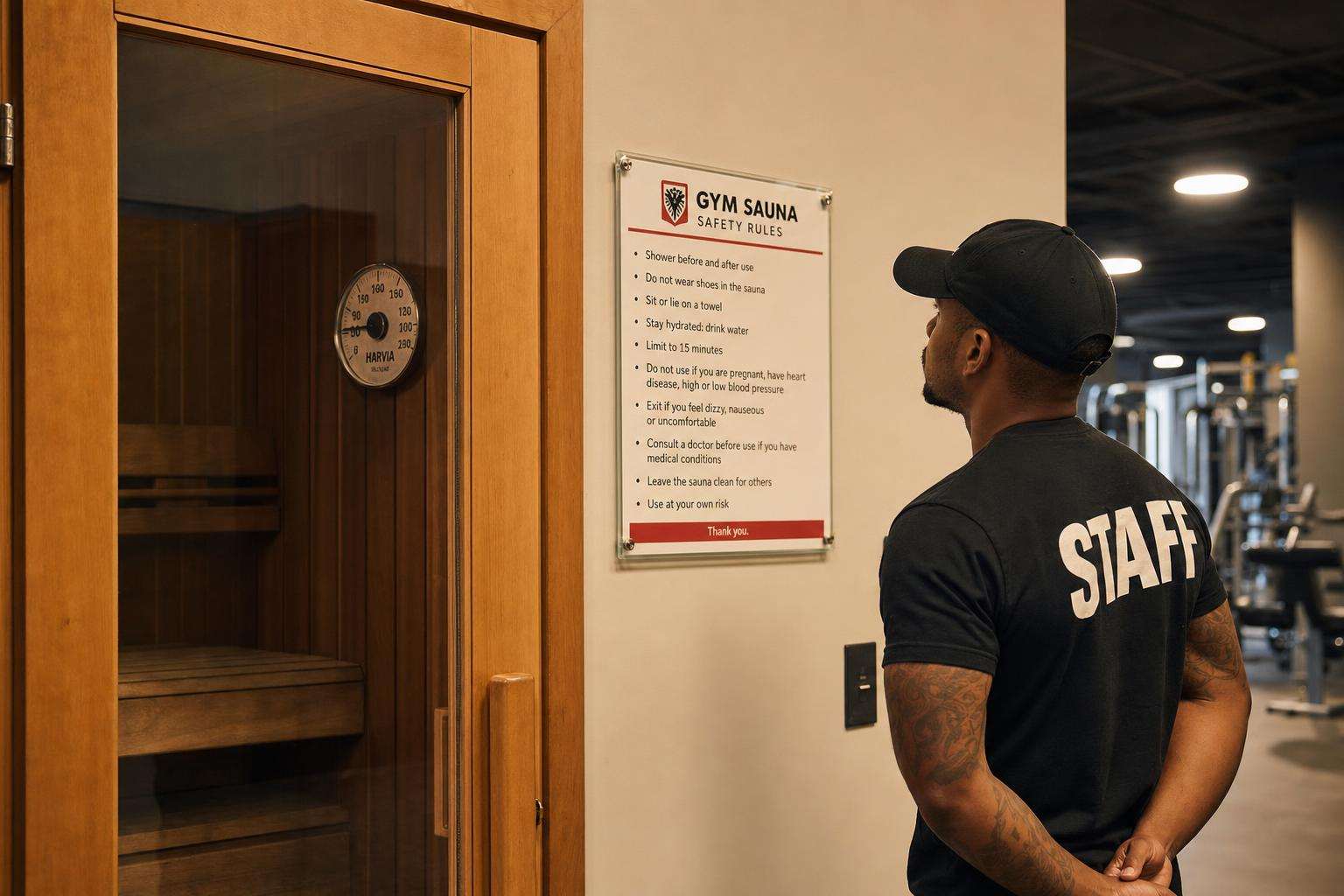
Light & Recovery Wooden sauna bench and thermometer on the wall, empty room, no people
Illustration: Health Canon

sauna safetypregnancy heatCVD screenno alcoholexit criteria

Bottom line

Screen first: pregnancy, unstable CVD, alcohol, meds, exit rules—then heat dose.

  • Medical red-flag screen before habitual heat — Unstable cardiopulmonary disease and acute illness turn heat from habit into hazard.
  • Alcohol-off rule every session — Free, non-negotiable, prevents a classic lethal combination with vasodilation and impaired judgment.
  • Avoid high-heat sauna/hot-tub patterns per obstetric guidance — Early hyperthermia neural-tube risk context outranks male cohort frequency targets.

How we built this guide

Ranked by harm prevention, guideline coherence, and how often the failure mode appears in real sauna injuries—not by wellness culture popularity.

  • Human evidence strength. Trials, cohorts, guidelines weighted over anecdotes.
  • Dose clarity. Whether frequency, intensity, and duration are actionable.
  • Safety gates. Contraindications and misuse risks.
  • Opportunity cost. Whether the modality displaces higher-yield habits.

Key takeaways

  1. Screen for cardiopulmonary red flags before habitual sauna
  2. Treat pregnancy and periconception as a reason to hold high heat
  3. Stay alcohol- and impairing-substance-free every session
  4. Review medications and blood pressure for post-heat hypotension
  5. Account for children, frail older adults, and heat-illness risk
  6. Set exit criteria and cool-downs that override your goals

Screen for cardiopulmonary red flags before habitual sauna

Unstable heart and lung disease first

Heat raises heart rate, redistributes blood flow to the skin, and can drop blood pressure after sessions—physiology that is fine for many screened adults and dangerous for others. Rank a cardiopulmonary red-flag screen first: unstable angina patterns, recent myocardial infarction per clinician timelines, severe aortic stenosis, decompensated heart failure, uncontrolled arrhythmias, and severe symptomatic valvular disease are classic reasons to pause and get individualized clearance. Pulmonary disease with limited reserve may also tolerate heat poorly. The KIHD-associated benefit literature does not license ignoring acute chest pain, syncope prodrome, or new dyspnea in the sauna. Practical checklist: review diagnoses and cardiac meds with a clinician before building 4–7×/week habits; start conservative; stop for chest pain, severe SOB, neurologic symptoms, or irregular heartbeat sensations that are new. Post-MI and post-procedure return-to-heat timelines belong to the care team, not podcasts. Bring a friend if you are new to high heat and older. This item is not anti-sauna; it is pro-still-alive. Infrared comfort cabins do not erase cardiac screening needs. Document clearance notes if you train in a facility that asks.

Who this is for: Adults with any cardiac history or multiple risk factors starting heat habits

Do

  • Prevents the highest-severity heat-related cardiac events
  • Aligns benefit literature with real-world screening
  • Applies to Finnish and infrared modalities
  • Creates a clinician conversation hook with meds list

Watch out

  • Requires access to care; some conditions are nuanced not binary bans

Treat pregnancy and periconception as a reason to hold high heat

Neural-tube risk context beats cohort bragging rights

Early pregnancy hyperthermia is linked to neural-tube defect risk in teratology and public-health framing; obstetric guidance commonly restricts hot tubs and high-heat saunas, especially in the first trimester. Rank this as a hard checklist item for anyone pregnant or actively trying to conceive who might otherwise copy male cohort frequency targets from longevity media. The issue is core temperature elevation, not brand of heater—Finnish rooms, infrared cabins, and hot tubs can all raise heat load. Fertility goals do not require proving toughness in 100°C rooms. If a clinician later clears limited warm water immersion for specific reasons, that is individualized care—not a green light for competitive löyly. Partners can still support household sauna culture without pressuring the pregnant person to join. Postpartum return should wait for obstetric clearance, bleeding status, hydration, and pelvic recovery—not influencer timelines. This item ranks equal to cardiac screening because the harm class is developmental, not merely discomfort. When in doubt, skip heat and keep walking, sleep, and nutrition as the default pregnancy stack.

Who this is for: Pregnant people and those in periconception planning

Do

  • Aligns with obstetric hyperthermia caution
  • Prevents misapplication of male cohort protocols
  • Clear household communication rule
  • Applies across sauna and hot-tub modalities

Watch out

  • Individual clinicians may nuance later pregnancy; not a sports-performance guide

Stay alcohol- and impairing-substance-free every session

Vasodilation plus impaired judgment is a classic killer combo

Alcohol and sauna is a repeatedly cited dangerous combination: peripheral vasodilation, impaired judgment, arrhythmia risk, and delayed exit decisions stack badly. Rank a total alcohol-off rule for the session window—including “just one beer in the lounge”—as a non-negotiable checklist item equal to medical screens. Other sedating substances and heavy cannabis intoxication can similarly blunt heat-illness recognition. Practical enforcement: no drinking games in spa culture, water bottle instead, and a sober buddy system for first-timers in intense dry heat. Facilities should refuse visibly intoxicated entry; home users must self-police. This rule also protects against post-sauna driving mistakes after “relaxing” drinks. Rank highly because it is free, binary, and prevents a large share of stupid catastrophic outcomes without requiring lab tests. If social sauna is the point, move alcohol to a clearly separated later time after full cool-down and rehydration—still better is alcohol-free spa nights. Hangovers with dehydration are also a reason to postpone heat. Document changes and reassess after several weeks so habits stick rather than cycling novelty.

Who this is for: Every sauna user, especially group spa settings

Do

  • Free and binary—easy to enforce
  • Targets a well-known severe failure mode
  • Works across public and home saunas
  • Improves exit decision quality under heat stress

Watch out

  • Social pushback in some spa cultures; requires household norms

Review medications and blood pressure for post-heat hypotension

Antihypertensives and diuretics change the cool-down plan

People on blood-pressure medications, diuretics, and some psychiatric or Parkinson drugs may experience exaggerated hypotension, dizziness, or impaired sweating responses around heat exposure. Rank a medication review with a clinician or pharmacist before aggressive frequency goals. Practical checklist: know your drugs; stand slowly after sessions; sit to cool; hydrate; avoid stacking extreme cold plunges immediately if you get lightheaded; measure home BP patterns if you use heat as a lifestyle adjunct. Never stop prescribed antihypertensives to “make sauna easier.” Heat is not a drug substitute for hypertension care even when acute BP reductions appear in studies. Diabetes with autonomic neuropathy can blunt warning symptoms—extra caution. Bring the meds list to annual physicals when discussing sauna habits. This item ranks just below absolute alcohol and pregnancy holds because many users can participate safely with modified dose and cool-down rather than lifelong bans—but only after eyes-open planning. Infrared lower air temperature does not automatically fix drug-heat interactions.

Who this is for: Adults on cardiovascular or volume-affecting medications

Do

  • Prevents syncope and fall injuries post-heat
  • Integrates pharmacy reality into wellness habits
  • Supports safer BP adjunct use of heat
  • Encourages clinician partnership rather than secrecy

Watch out

  • Requires clinical access; individual drug lists are long and nuanced

Account for children, frail older adults, and heat-illness risk

Supervision and shorter exposures beat toughness contests

Children have different thermoregulation and judgment; they need supervision, shorter exposures, and easy exit access—not adult KIHD frequency targets. Frail older adults face higher syncope, fall, and medication-interaction risks; they may still enjoy gentle heat with seated cool-downs and companionship, but maximalist protocols are inappropriate. Rank age- and frailty-modified rules as a checklist category: buddy system, lower duration, cooler benches if available, hydration, and cancel for illness, fever, or gastroenteritis dehydration. Febrile users should not sauna to “sweat out” infection. Obesity, heavy clothing layers, and extreme competitive rounds increase heat illness risk. Facilities should post rules; home owners should set family policy. This ranks slightly below binary medical holds because many in these groups can participate with modification, but unsupervised extremes are a clear contraindication pattern. Never lock a sauna door in a way that traps a child. Teach exit criteria early: dizziness, headache, nausea, chills, or confusion means leave and cool. Document changes and reassess after several weeks so habits stick rather than cycling novelty.

Who this is for: Families and facilities hosting mixed-age sauna use

Do

  • Reduces pediatric and geriatric heat injuries
  • Sets household and facility norms
  • Pairs with clear exit criteria teaching
  • Supports inclusive gentle heat without maximalism

Watch out

  • Individual fitness varies widely within age bands

Set exit criteria and cool-downs that override your goals

Chest pain, severe dizziness, confusion—leave now

A contraindications checklist is incomplete without in-session exit criteria. Stop heat immediately for chest pain, severe shortness of breath, neurologic symptoms, confusion, protracted vomiting, or fainting prodrome—then cool, hydrate, and seek urgent care as appropriate. Rank exit criteria as a standing hold that overrides any frequency or duration target for the day. Standard cool-down: sit, gradual temperature change, rehydrate, stand slowly. Avoid alcohol “to recover.” Do not drive if still severely lightheaded. If symptoms recur across sessions despite conservative dosing, suspend the habit and get medical evaluation—recurrent syncope is not a badge. Illness days, heavy travel dehydration, and ultra-endurance events may warrant temporary holds even for veterans. Document incidents. Facilities should train staff to recognize heat illness. This item closes the checklist with operational brakes so benefit-seeking readers do not treat protocols as obligations under distress. Document changes and reassess after several weeks so habits stick rather than cycling novelty. Coordinate with household members when shared products or schedules determine adherence.

Who this is for: All sauna users each session

Do

  • Operationalizes safety in real time
  • Overrides ego and group pressure
  • Simple to teach beginners
  • Links to urgent care thresholds

Watch out

  • Relies on self-awareness that heat can blunt judgment—buddy systems help

Frequently asked

Can I sauna if I have high blood pressure?

Many adults with treated hypertension discuss heat as a lifestyle adjunct, but you need individualized advice. Antihypertensive drugs can increase post-sauna dizziness risk. Uncontrolled or symptomatic blood pressure problems need clinical review first. Heat is not a medication substitute. Start conservative, cool down seated, and monitor home readings with your clinician’s plan.

Is infrared safer than Finnish sauna if I have heart disease?

Lower air temperature can feel gentler, but it does not automatically clear cardiac contraindications or medication issues. Unstable disease still needs clinician rules. Do not paste Finnish cohort mortality statistics onto infrared marketing. Screen first, then choose modality for comfort and access—not as a loophole.

Why is alcohol with sauna so dangerous?

Alcohol impairs judgment and combines with heat-induced vasodilation and fluid shifts in ways that raise arrhythmia, injury, and delayed-exit risk. It is one of the most preventable sauna disasters. Keep sessions alcohol-free and hydrate with water. Social plans can wait until after full cool-down—better yet, plan alcohol-free spa nights.

When can I return to sauna after pregnancy?

After obstetric clearance, when bleeding is appropriate for activity, hydration is solid, and you feel stable upright. There is no prize for early maximal heat. Rebuild duration slowly. Pelvic recovery and sleep debt matter more than matching pre-pregnancy frequency. Ask your clinician if you had hypertensive disorders or surgical birth.

What symptoms mean I should stop mid-session?

Chest pain, severe shortness of breath, neurologic symptoms, confusion, fainting prodrome, or protracted nausea/vomiting are exit-now signals. Sit, cool gradually, hydrate, and seek urgent care when symptoms are severe or persistent. Do not “push through” for a protocol streak. Recurrent events need medical evaluation before returning.