Light & Recovery
Red Light Therapy Safety: The Checklist (2026)
Eye protection, dose honesty, photosensitizing meds, skin checks—before protocol chasing.
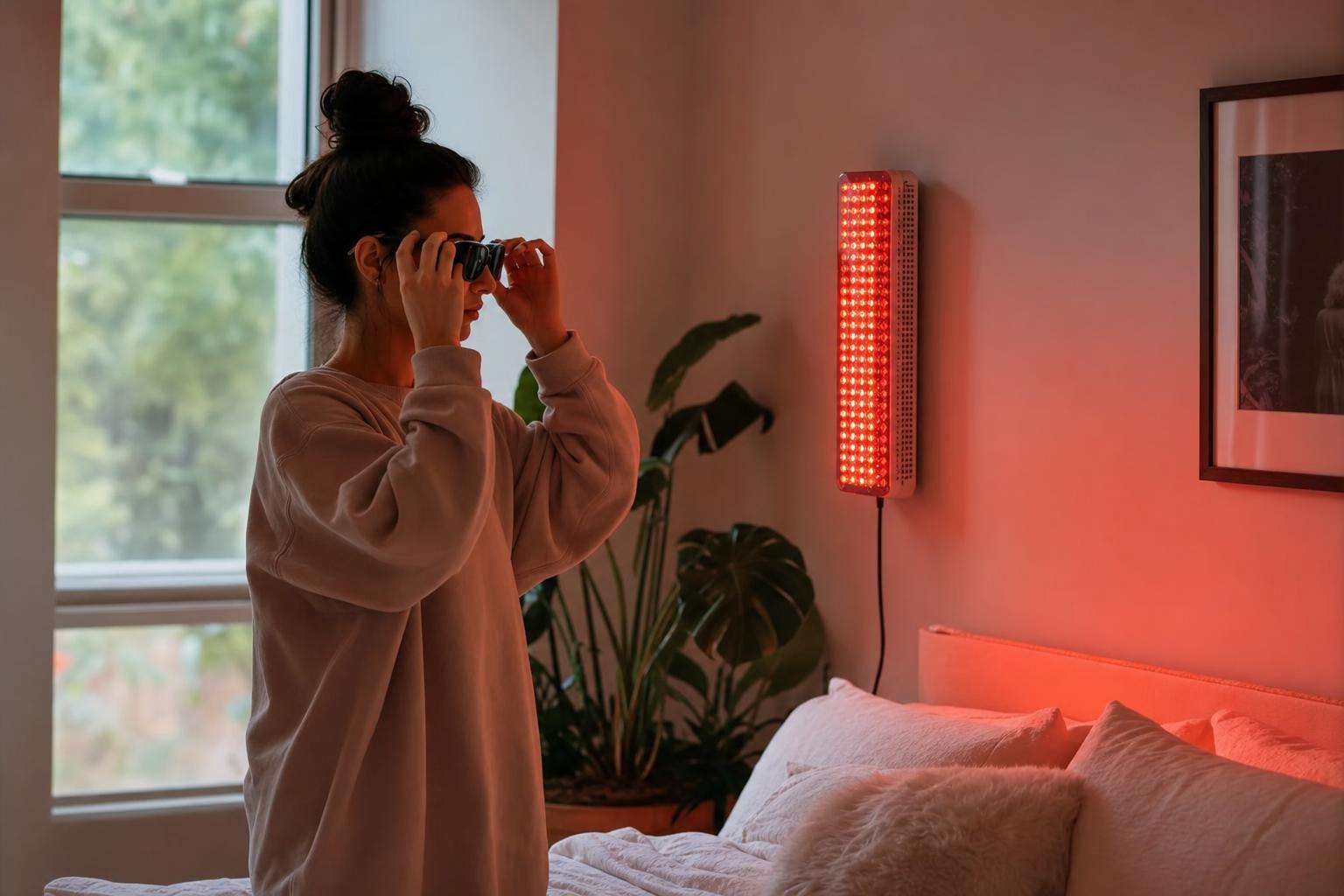
eyesdosemedsskinspecs
Bottom line
Eyes, dose, meds, skin history, specs—safety before protocol hype.
- Protect eyes and follow device distance/time limits every session — Ocular and overuse risks are controllable with boring compliance.
- Skip purchase if you cannot name wavelength and rough dose plan — Prevents unsafe, useless gadgets sold on glow alone.
- Clinician clearance before any PBM self-experiment — Drug–light interactions can injure skin.
How we built this guide
Ranked by severity of harm prevented, frequency of consumer errors, and evidence that checklists beat vibes.
- Dose / clinical impact. Likely effect on exposure or health decision quality.
- Evidence base. Agency guidance, trials, or consensus statements.
- Adherence cost. Money, time, and household friction.
- Harm of misuse. Whether bad execution creates new risks.
Key takeaways
- Protect your eyes and never stare into LEDs or lasers
- Respect time, distance, and duty-cycle limits
- Review photosensitizing medications and conditions with a clinician
- Clear skin-cancer history and suspicious lesions with a clinician first
- Demand honest wavelength, irradiance, and realistic claims
- Keep photobiomodulation adjunctive, not a replacement for standard care
Protect your eyes and never stare into LEDs or lasers
Photons hit retinas too
Who this is for: All home PBM users
Do
- Prevents serious harm
- Simple compliance
- Vendor integrity screen
- Child safety relevant
Watch out
- Some low-level devices have different guidance—still read manuals
Respect time, distance, and duty-cycle limits
More minutes ≠ more gains
Who this is for: New panel owners
Do
- Reduces burn/overuse risk
- Aligns with biphasic dose caution
- Teaches measurement mindset
- Prevents ego dosing
Watch out
- Consumer irradiance claims are often fuzzy
Review photosensitizing medications and conditions with a clinician
Drugs change light risk
Who this is for: Anyone on chronic meds considering PBM
Do
- Prevents drug–light injury
- Forces medication reconciliation
- Protects special populations
- High clinical seriousness
Watch out
- Requires access to knowledgeable clinicians
Clear skin-cancer history and suspicious lesions with a clinician first
Do not irradiate mystery spots
Who this is for: Anyone with lesion concerns or cancer history
Do
- Avoids delayed cancer care
- Clear behavioral rule
- Supports dermatology pathways
- Ethical use of home devices
Watch out
- People delay derm appointments—still must not DIY
Demand honest wavelength, irradiance, and realistic claims
Glow ≠ medical evidence
Who this is for: Buyers comparing panels
Do
- Reduces electrical and thermal risk
- Filters scam claims
- Improves dose planning
- Consumer protection
Watch out
- Marketing PDFs can still lie—skepticism required
Keep photobiomodulation adjunctive, not a replacement for standard care
Safety includes opportunity cost
Who this is for: Biohackers stacking modalities
Do
- Prevents care delay
- Frames adjunct role honestly
- Encourages stop rules
- Protects medical priorities
Watch out
- Enthusiasts may resist hierarchy
Frequently asked
Do I need goggles for every red light session?
Follow your device manual. Many bright panels advise protection, and you should never stare into LEDs or lasers. Facial treatments near eyes deserve extra caution. If instructions are missing, contact the manufacturer or skip use until clear. Confirm details with a qualified clinician or primary guidance document when your situation is high-stakes.
Can red light damage skin?
Overuse, high heat, and photosensitizing drugs can contribute to adverse skin reactions. Start conservatively, watch for burns or blistering, and get medical care for significant injury. More time is not automatically better. Confirm details with a qualified clinician or primary guidance document when your situation is high-stakes.
Is NIR safe through closed eyelids?
Do not assume closed eyelids make intense sources safe. Use recommended eye protection and manufacturer guidance. Eye disease requires clinician advice before experiments. Confirm details with a qualified clinician or primary guidance document when your situation is high-stakes. Confirm details with a qualified clinician or primary guidance document when your situation is high-stakes.
Are home panels medical devices that cure disease?
Many consumer panels are wellness devices with limited claims. Be skeptical of cure marketing. Regulatory status varies; evidence grades differ by indication. Safety and honesty beat miracle positioning. Confirm details with a qualified clinician or primary guidance document when your situation is high-stakes.
What if I am pregnant?
Evidence for routine home PBM in pregnancy is limited. Prefer clinician guidance and conservative avoidance of experimental high-intensity protocols. Foundational health habits remain first-line. Confirm details with a qualified clinician or primary guidance document when your situation is high-stakes. Confirm details with a qualified clinician or primary guidance document when your situation is high-stakes.