Evidence-dense health optimization

Health Canon

Light & Recovery

Red Light Therapy Protocols by Goal (2026)

Goal-matched photobiomodulation patterns for skin, hair, pain, and recovery—dose math first, gadgets second.
14 MIN READ 3 SOURCES
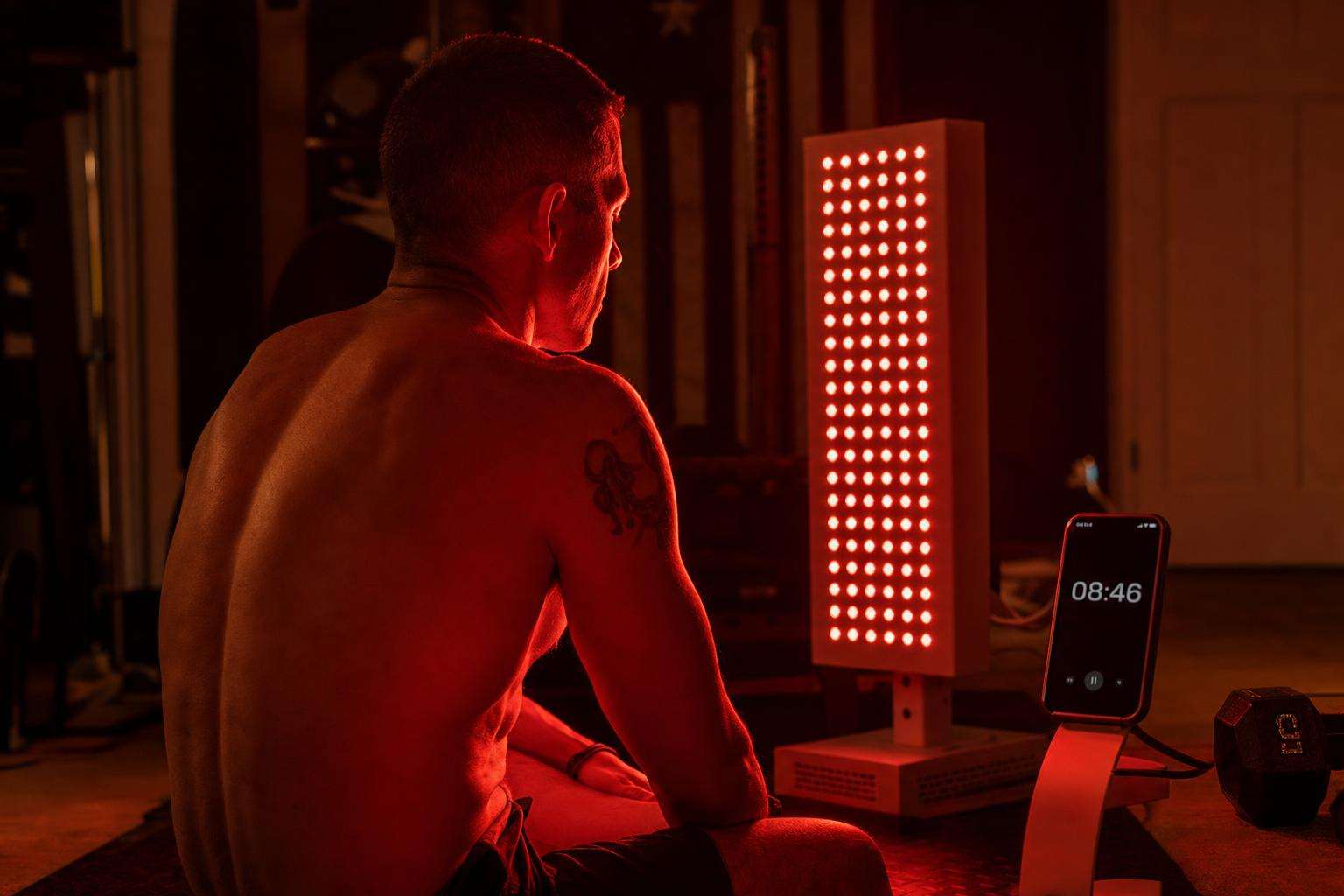
Light & Recovery Red LED therapy panel glowing in a clean home gym corner, no people
Illustration: Health Canon

PBM doseskin protocolhair RLTpain PBMeye safety

Bottom line

Indication first: skin, hair, pain, sports—dose parameters before bigger panels.

  • Goal-matched dose with measured irradiance and time — Protocols fail when users chase brand wattage without fluence math or indication fit.
  • Skin photobiomodulation with modest home panels used consistently — Dermatology-adjacent use cases often need less theater than whole-body metabolic marketing.
  • Helmet/comb-class red/NIR protocols per device evidence — Hair has a clearer consumer-device evidence trail than many recovery claims—still an adjunct.

How we built this guide

Ranked by indication-specific human evidence, dose clarity, safety, and whether the protocol displaces higher-yield care.

  • Human evidence strength. Trials, cohorts, guidelines weighted over anecdotes.
  • Dose clarity. Whether frequency, intensity, and duration are actionable.
  • Safety gates. Contraindications and misuse risks.
  • Opportunity cost. Whether the modality displaces higher-yield habits.

Key takeaways

  1. Lock wavelength, irradiance, time, and distance before any protocol
  2. For skin: modest fluence, clean skin, and weeks of consistency
  3. For hair loss: use a device class with published consumer evidence
  4. For localized pain: target the area with course-based dosing
  5. For sports recovery: dose after training, not instead of sleep
  6. Mind the safety gates and non-goals: eyes, cancer care, metabolic claims

Lock wavelength, irradiance, time, and distance before any protocol

Fluence is not a vibes metric

Every red-light protocol that deserves a rank starts with parameters, not aesthetics. Photobiomodulation research typically discusses red bands near 630–660 nm and near-infrared bands near 810–850 nm, with dose expressed as fluence (J/cm²) derived from irradiance (mW/cm²) times exposure time, adjusted for distance because intensity falls off with range. Consumer panels often advertise LED counts or “watts” that do not equal skin-plane irradiance. Rank dose literacy first because a perfect hair protocol run at the wrong distance is a different intervention. Practical stack: obtain a manufacturer irradiance chart or third-party measurement at your working distance, compute session time for the target fluence used in similar studies, keep a log, and avoid stacking random multi-hour sessions that cook adherence without clear benefit. Eye safety is non-negotiable—do not stare into arrays; use goggles when indicated. Photosensitizing medications and certain eye conditions need clinician clearance. This item is modality-agnostic infrastructure under skin, hair, pain, and sports protocols. If a seller cannot state approximate irradiance at a stated distance, treat marketing claims as incomplete. Consistency over weeks beats heroic single sessions. Pair with realistic goals: adjunct recovery or dermatology endpoints, not unmonitored disease treatment.

Who this is for: Anyone starting or troubleshooting home PBM

Do

  • Prevents meaningless minute-counting without irradiance
  • Transfers across devices and goals
  • Surfaces missing manufacturer data as a buying veto
  • Builds a re-evaluable log for response

Watch out

  • Requires numeracy and often imperfect consumer specs

For skin: modest fluence, clean skin, and weeks of consistency

Dermatology-adjacent goals with the cleanest home use case

Skin is where many home red-light users see the most coherent protocol design: relatively superficial targets, established interest in collagen and erythema endpoints in photobiomodulation literature, and session times that fit daily routines. A practical pattern is clean dry skin, manufacturer distance for the target fluence, several sessions per week for multiple weeks, and photographs under consistent lighting to judge change rather than daily mirror anxiety. Rank skin protocols highly for evidence-to-consumer translation relative to metabolic miracle claims, while still labeling results as variable and adjunctive to sunscreen, retinoids when prescribed, and medical dermatology for disease. Avoid stacking aggressive acids, peels, or sunburn with aggressive light the same day without clinician guidance. Eye protection remains mandatory near bright arrays. If you have a history of skin cancer, photosensitivity disorders, or are on photosensitizing drugs, get medical advice first. Do not use home panels as a substitute for biopsy-worthy lesion evaluation. Consistency and gentle dosing beat “max power every night” maximalism. Track irritation, pigment change, and sleep timing if evening sessions seem activating. Pair with our device buying checklist so hardware matches face or body coverage needs without overspending.

Who this is for: Adults seeking cosmetic skin adjuncts with realistic timelines

Do

  • Clearer consumer translation than metabolic claims
  • Fits short daily routines
  • Photo logging makes outcomes less subjective
  • Adjunct-friendly with standard skincare

Watch out

  • Results vary; not a substitute for medical dermatology

For hair loss: use a device class with published consumer evidence

Helmets and combs beat random panel-on-scalp improvisation

Androgenetic hair thinning is one of the better-mapped consumer photobiomodulation niches, with device classes (combs, helmets, caps) studied for density and thickness endpoints over multi-month horizons. Protocol pattern: use a device with a stated red/NIR output appropriate to scalp coverage, follow the session frequency in the evidence or cleared labeling (often several times weekly), continue for months before judging, and keep medical evaluation for scarring alopecias or sudden shedding. Rank this above improvisational “panel aimed at scalp from across the room” approaches because distance and coverage destroy dose. Adjunct framing is essential: FDA-cleared or studied devices are not a cure for all hair loss types; hormonal, nutritional, and dermatologic causes need workups. Finasteride, minoxidil, and procedures remain standard conversations with clinicians. Eye safety still matters with bright arrays. Photograph the hairline and vertex monthly under fixed lighting. Stop and seek care for scalp burns, severe irritation, or rapid inflammatory loss. Women and men can both experience pattern hair loss; sex-specific diagnosis still matters. This ranks as a strong specialized protocol when hardware matches the indication—not as a general wellness default.

Who this is for: Adults with pattern hair thinning after clinical orientation

Do

  • Clearer device-class evidence trail than many recovery claims
  • Defined multi-month evaluation window
  • Encourages medical triage of hair-loss type
  • Coverage-focused hardware beats random panels

Watch out

  • Multi-month lag; does not treat all alopecia types; device costs add up

For localized pain: target the area with course-based dosing

Function over vibes—track pain and movement

Localized musculoskeletal pain is a common photobiomodulation research target, with heterogeneous devices, parameters, and outcomes across trials. A responsible home or clinic-adjacent protocol treats light as a time-boxed adjunct: define the painful region, use parameters in the ballpark of studied fluences when available, run a multi-week course, and track function (stairs, sleep, work tasks) rather than only a 0–10 number. Rank pain protocols mid-high when they stay localized and do not delay evaluation of red flags—night pain with weight loss, neurologic deficits, infection signs, or post-traumatic instability need clinicians, not brighter LEDs. Combine with progressive loading, sleep, and activity modification that physical therapy emphasizes. Avoid claiming systemic anti-inflammatory miracles from a small pad. Heat intolerance, neuropathy with reduced sensation, and implanted devices may need professional guidance on safety. If pain worsens or migrates, stop and reassess diagnosis. Document medication changes so you do not attribute all improvement to light. This item is intentionally modest: promising adjunct, messy literature, high opportunity cost if it displaces rehab.

Who this is for: Adults with localized MSK pain using PBM as adjunct to rehab

Do

  • Encourages measurable function goals
  • Time-boxed courses reduce endless gadget dependence
  • Compatible with standard rehab principles
  • Keeps red-flag triage explicit

Watch out

  • Heterogeneous trial parameters; easy to oversell systemic effects

For sports recovery: dose after training, not instead of sleep

Adaptation still comes from training quality and recovery basics

Athletes and recreational lifters often adopt red/NIR panels for soreness and recovery. The evidence base is mixed and protocol-sensitive: timing relative to training, target tissues, and outcomes (DOMS, performance, CK) vary across studies. A practical pattern—if used—is post-session localized treatment on high-stress regions, limited total time compatible with dose charts, and evaluation across a training block—not daily three-hour light baths. Rank sports recovery lower than skin/hair because opportunity cost is high: sleep, protein, progressive programming, and deloads move the needle more reliably. Do not use PBM to mask pain from tendon overload that needs load management. Tournament travel may justify portable devices for routine continuity, still with eye safety. Youth athletes should not chase adult influencer stacks. Track wellness scores and performance metrics; if nothing moves after a defined block, reallocate time. Avoid stacking extreme cold, extreme heat, and aggressive PBM in ways that impair adaptation signals without a periodized plan. This is an optional edge tool, not a foundation.

Who this is for: Trained athletes with solid programming seeking optional adjuncts

Do

  • Fits as optional post-load adjunct
  • Encourages block-based evaluation
  • Keeps foundations (sleep, load) primary
  • Portable options can support travel routines

Watch out

  • Mixed evidence; high risk of displacing higher-yield recovery habits

Mind the safety gates and non-goals: eyes, cancer care, metabolic claims

What not to protocolize at home

The highest-ROI “protocol” is often refusal. Do not stare into arrays; use eye protection when brightness and geometry demand it. Do not self-treat suspected cancers or delay oncology care with spa light. Be cautious with active cancer therapy—coordination with the oncology team beats podcast protocols. Photosensitizing drugs, severe eye disease, and photosensitive dermatoses need professional advice. Metabolic and weight-loss miracle claims for whole-body red light sit on thinner ice than localized dermatology and hair use cases; do not drop GLP-1 care, nutrition, or training for a bed of LEDs. Pregnancy deserves clinician discussion rather than maximal home experiments. Rank safety and non-goals equal to positive protocols because harm and wasted money are real. Children need supervision and conservative use. If a protocol requires abandoning sleep schedules for midnight full-body sessions, the protocol is poorly designed. Prefer devices with clear irradiance documentation and return policies. This item closes the goal menu with brakes: evidence-graded curiosity without biohacking cosplay.

Who this is for: All home PBM users, especially beginners and medically complex adults

Do

  • Prevents eye and delay-of-care harms
  • Stops metabolic overclaim displacement of real care
  • Applies across all goal protocols
  • Reduces wasted spend on miracle framing

Watch out

  • Unglamorous; easy to skip when marketing is exciting

Frequently asked

How long should a red light session last?

Session length depends on irradiance at your working distance and the target fluence for your goal—not a universal minute number. Use manufacturer charts or measurements to compute time. Longer is not automatically better and can reduce adherence. Keep a log and reassess over weeks rather than changing three variables nightly.

Is near-infrared better than red for everything?

No. Red and near-infrared bands are used for different depths and study designs. Hair and skin protocols often emphasize specific consumer device outputs; pain and deeper targets may use NIR in research settings. Match wavelength to indication and device evidence rather than assuming more infrared is always superior.

Can red light replace strength training for recovery?

No. Training quality, progressive overload, sleep, and nutrition dominate adaptation. Photobiomodulation is an optional adjunct with mixed sports evidence. If light sessions crowd out bedtime or deload discipline, they are net harmful to performance goals. Confirm details with a qualified clinician or primary guidance document when your situation is high-stakes.

Do I need goggles for home panels?

Use eye protection when arrays are bright, close, or in your visual field. Never stare into LEDs or lasers. People with eye disease or photosensitizing medications should ask a clinician. Treat eye safety as non-negotiable infrastructure, not an optional biohacker flex. Confirm details with a qualified clinician or primary guidance document when your situation is high-stakes.

How soon will hair protocols show results?

Hair-cycle biology means multi-month horizons are typical before density changes are fair to judge. Photograph monthly under consistent lighting and keep medical evaluation for non-pattern losses. If you see irritation, burns, or rapid inflammatory shedding, stop and seek dermatologic care. Confirm details with a qualified clinician or primary guidance document when your situation is high-stakes.