Light & Recovery
Buying a Red Light Device: The Checklist (2026)
Wavelength, irradiance honesty, treatment area, safety, and evidence match—before you buy a panel.
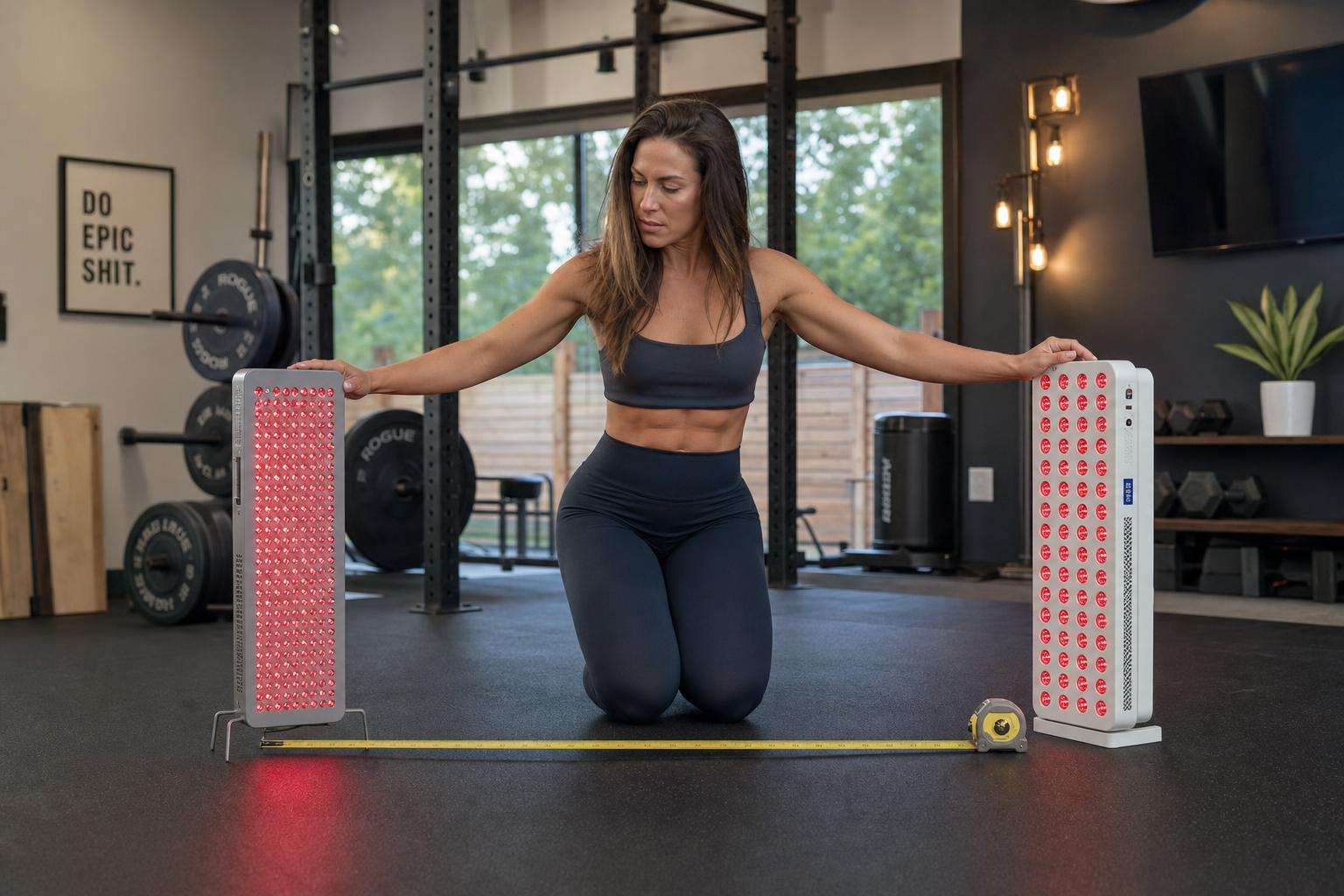
irradiancewavelengtheye safetyareawarranty
Bottom line
Specs, safety, evidence match—not influencer unboxings.
- Match device dose and area to a specific evidence-graded use case — Panels bought for vague “mitochondria” goals underperform targeted decisions.
- Prefer transparent specs + return window over mystery mega-panels — Returnability and honest irradiance beat square footage bragging.
- Smaller targeted device with eye protection plan — Face-sized coverage and safety habits beat whole-garage panels for that use.
How we built this guide
Ranked by purchase error cost, dose realism, safety, and alignment with indication-specific evidence rather than brand hype.
- Dose / clinical impact. Likely effect on exposure or health decision quality.
- Evidence base. Agency guidance, trials, or consensus statements.
- Adherence cost. Money, time, and household friction.
- Harm of misuse. Whether bad execution creates new risks.
Key takeaways
- Lock a primary use case before comparing models
- Demand honest wavelength and irradiance at working distance
- Plan for eye safety and photosensitivity screening
- Size coverage and session time to real-life adherence
- Audit medical claims, returns, and warranty service
- Keep the fundamentals above device stacking
Lock a primary use case before comparing models
Skin ≠ performance ≠ pain marketing
Who this is for: Every prospective buyer
Do
- Prevents wrong-size purchases
- Forces evidence-aware expectations
- Clarifies form factor early
- Supports clinician involvement when medical
Watch out
- Evidence evolves; re-check indications yearly
Demand honest wavelength and irradiance at working distance
nm lists without dose are incomplete
Who this is for: Buyers comparing panels seriously
Do
- Targets the core performance variable
- Filters opaque brands
- Improves session repeatability
- Reduces night-light panel risk
Watch out
- Consumer measurement gear has limits; numbers can still be gamed
Plan for eye safety and photosensitivity screening
Bright LEDs are not toys
Who this is for: All users, especially face-level panels
Do
- Prevents serious avoidable harm
- Applies across price tiers
- Forces manual reading
- Protects vulnerable users
Watch out
- Guidance quality varies by manufacturer
Size coverage and session time to real-life adherence
A panel you skip is zero dose
Who this is for: Home users with limited space/time
Do
- Predicts real-world adherence
- Controls size-driven overspend
- Improves home layout fit
- Supports multi-user planning
Watch out
- Life schedules change—build margin
Audit medical claims, returns, and warranty service
Regulatory language literacy
Who this is for: Buyers of mid-to-high ticket panels
Do
- Reduces regulatory confusion
- Preserves exit ramps via returns
- Improves long-term service odds
- Filters disease-cure marketing
Watch out
- Warranties still require shipping hassle
Keep the fundamentals above device stacking
Sleep and training beat gadget piles
Who this is for: Biohackers tempted by multi-device carts
Do
- Preserves high-yield health spends
- Improves self-experiment validity
- Reduces gadget clutter
- Aligns with evidence-first culture
Watch out
- Some clinical PBM uses are legitimate adjuncts under care
Frequently asked
What wavelengths should a consumer panel have?
Many consumer products combine red light near 660 nm with near-infrared near 850 nm, but the right mix depends on use case. Wavelength lists without irradiance and distance data are incomplete. Match specs to your indication and manufacturer guidance. Confirm details with a qualified clinician or primary guidance document when your situation is high-stakes.
How close should I stand?
Follow the manufacturer’s tested distance. Irradiance falls with distance. Measure and repeat the same position each session. Closer is not always better if it causes heat discomfort or violates eye-safety guidance. Confirm details with a qualified clinician or primary guidance document when your situation is high-stakes.
Can red light replace medical treatment?
No. It is at best an adjunct for selected indications. Serious disease, infections, and undiagnosed pain need clinicians. Be skeptical of cure claims. Confirm details with a qualified clinician or primary guidance document when your situation is high-stakes. Confirm details with a qualified clinician or primary guidance document when your situation is high-stakes.
Are expensive panels always better?
Not necessarily. Price can reflect build, size, and marketing. Compare measured dose at working distance, coverage, safety features, and return policy. A smaller honest device can beat a huge under-powered array. Confirm details with a qualified clinician or primary guidance document when your situation is high-stakes.
Is near-infrared safe for eyes because I cannot see it well?
Do not assume safety from low visible brightness. Follow eye-protection guidance, avoid staring into emitters, and ask a clinician if you have eye disease or photosensitizing factors. Confirm details with a qualified clinician or primary guidance document when your situation is high-stakes.