Evidence-dense health optimization

Health Canon

Light & Recovery

Evidence-Based Circadian Habits (2026)

Circadian habits with evidence: morning outdoor light, dim evenings, stable sleep timing, caffeine cutoffs, modest meal regularity, and shift-work harm reduction.
14 MIN READ 3 SOURCES
Light & Recovery Sunrise light through a window onto a simple bedside table, no people
Illustration: Health Canon

morning lightdim eveningssleep timingcaffeineshift work

Bottom line

Morning daylight, dark evenings, stable clocks—caffeine and shift nuance.

  • Get outdoor morning light soon after waking — Daylight is the strongest everyday circadian signal; indoor lux is often too low to substitute fully.
  • Keep a stable sleep-wake window—including weekends — Free schedule discipline reduces social jet lag without hardware.
  • Dim and warm indoor light evenings — Reducing evening melanopic stimulus supports melatonin physiology better than guilt alone.

How we built this guide

Ranked circadian habits by strength as zeitgebers, public-health sleep guidance alignment, cost, and applicability outside lab conditions—including shift-work realism.

  • Dose / clinical impact. Likely effect on exposure or health decision quality.
  • Evidence base. Agency guidance, trials, or consensus statements.
  • Adherence cost. Money, time, and household friction.
  • Harm of misuse. Whether bad execution creates new risks.

Key takeaways

  1. Get outdoor morning light soon after waking
  2. Dim and warm your indoor lighting in the evening
  3. Keep a stable sleep-wake window, weekends included
  4. Set a personal caffeine cutoff based on your sensitivity
  5. Keep meal timing modestly regular without orthorexia
  6. Use harm-reduction tactics when night shifts are mandatory

Get outdoor morning light soon after waking

Lux beats a podcast about circadian biology

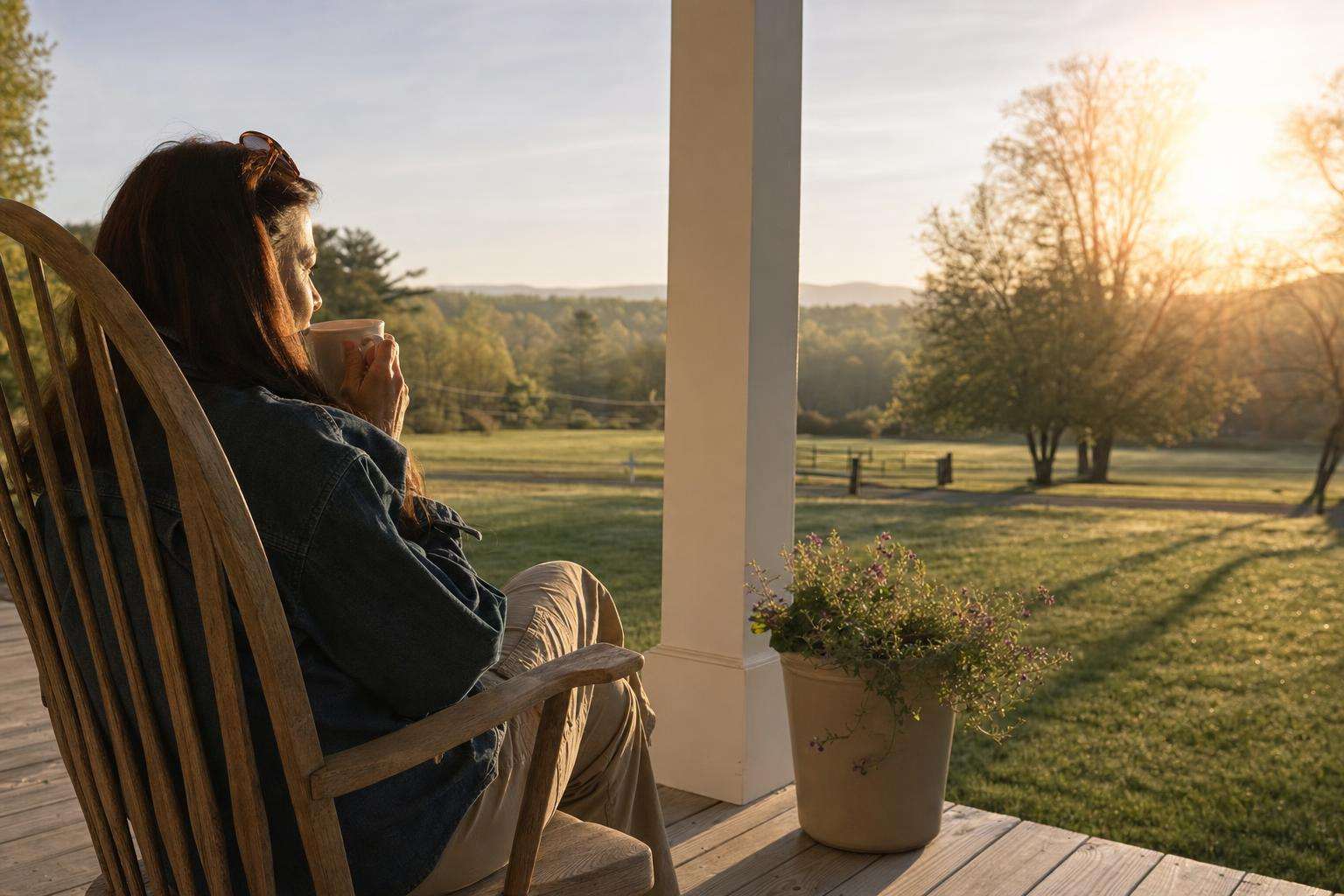
Retinal light input—especially daytime outdoor illuminance—synchronizes the central circadian clock. Morning outdoor light exposure after waking is a high-yield habit for most day-active people, even on cloudy days when outdoor light still far exceeds typical indoor office lux. Ranked first because it is free, daily, and more foundational than most supplements. Ten to thirty minutes is a common practical target while walking or commuting; do not stare at the sun. Window-filtered light is weaker than going outside. Night-shift workers need different timing strategies covered later. Polarized sunglasses for driving safety still allow substantial outdoor exposure compared with windowless rooms. Combine with movement for metabolic co-benefits. Seasonal high latitudes may need thoughtfully timed indoor bright light under clinician or specialist guidance for winter depression—not random all-night light. This habit is the non-negotiable anchor of evidence-aligned circadian practice. Document changes and reassess after several weeks so habits stick rather than cycling novelty. Coordinate with household members when shared products or schedules determine adherence.

Who this is for: Day-active adults with indoor jobs

Do

  • Strongest everyday zeitgeber
  • Free and scalable
  • Pairs with walking
  • Beats low indoor lux

Watch out

  • Weather and safety constraints; night workers need different timing

Dim and warm your indoor lighting in the evening

The clock reads your living room

Evening bright, blue-enriched light can delay circadian phase and suppress melatonin, making sleep onset harder for many people. Practical habit: lower overhead LEDs after sunset, use warmer lamps, reduce unnecessary screens, and enable night modes as partial mitigations—not perfect cures. Ranked high for knowledge workers whose homes are lit like offices at 10 p.m. Complete darkness is for the sleep episode; evenings need dim relative to day. Red party bulbs are optional aesthetics, not magic. If you must work late, reduce screen brightness and increase distance rather than abandoning livelihood. Children and teens with devices in bedrooms face delayed schedules—family rules help. This habit pairs with morning light as a dual push-pull on the clock. Measure success by sleep onset latency and morning alertness, not gadget metrics alone. Candles have air-quality tradeoffs discussed elsewhere—electric dimmers often suffice. Document changes and reassess after several weeks so habits stick rather than cycling novelty. Coordinate with household members when shared products or schedules determine adherence.

Who this is for: People with delayed sleep onset and bright evening homes

Do

  • Supports melatonin physiology
  • Low cost (dimmers, lamps)
  • Household-level impact
  • Complements morning light

Watch out

  • Work-from-home late tasks; shared bright spaces

Keep a stable sleep-wake window, weekends included

Social jet lag is optional self-sabotage

Irregular sleep timing—especially large weekend delays—creates social jet lag that impairs alertness and metabolic markers in observational research. Ranked as best value: choose a wake time you can keep most days, anchor morning light to it, and limit weekend swing to under an hour when possible. Catch-up sleep can help acute debt but does not fully erase irregularity costs. Ranked beside light because schedule is a behavioral zeitgeber. Parents of infants need compassionate pragmatism, not dogma—return to regularity as feasible. Teens have biologically later tendencies; school start times are a policy issue, but light and caffeine still matter. Travel across time zones needs separate phase-shifting plans. Track bedtime variability for two weeks to see your true pattern. Stability beats occasionally perfect eight-hour nights surrounded by chaos. Document changes and reassess after several weeks so habits stick rather than cycling novelty. Coordinate with household members when shared products or schedules determine adherence. Prefer primary agency and clinical guidance over social-media summaries when stakes are high.

Who this is for: Adults with large weekday-weekend schedule gaps

Do

  • Free schedule discipline
  • Reduces social jet lag
  • Supports morning light anchoring
  • Metabolic and mood relevance

Watch out

  • Caregiving and social demands; teens’ biology vs school

Set a personal caffeine cutoff based on your sensitivity

Half-life meets bedtime math

Caffeine blocks adenosine signaling and can delay sleep even when you fall asleep on it, fragmenting quality. Ranked high as a circadian-adjacent habit: many adults do well stopping intake eight or more hours before target bedtime, with shorter windows for slow metabolizers and longer tolerance for some genetically fast metabolizers—experiment carefully. Afternoon energy crashes often reflect lunch composition, light, and sleep debt rather than mandatory extra espresso. Tea and some analgesics contain caffeine—read labels. Adolescents’ developing brains and sleep needs make unrestricted energy drinks a bad default. Do not use caffeine to chronically mask insufficient sleep opportunity; fix the schedule. Withdrawal headaches when cutting back are temporary for many. Pair cutoff rules with morning light so you rely less on stimulants for alertness. This is pharmacology meeting clock biology. Document changes and reassess after several weeks so habits stick rather than cycling novelty. Coordinate with household members when shared products or schedules determine adherence. Prefer primary agency and clinical guidance over social-media summaries when stakes are high.

Who this is for: Coffee/tea drinkers with sleep maintenance problems

Do

  • High impact on sleep quality
  • Individualizable
  • Cheap experiment
  • Reduces energy-drink harm patterns

Watch out

  • Social coffee culture; headache during taper

Keep meal timing modestly regular without orthorexia

Food is a weaker zeitgeber—still not chaos

Peripheral clocks in metabolic tissues respond partly to feeding patterns. Extremely erratic eating, especially heavy late-night meals paired with bright light, can feel worse for some people’s sleep and reflux. Ranked lower than light and sleep timing because meal timing is a secondary zeitgeber and aggressive time-restricted eating is not mandatory for circadian health. Practical rule: finish large meals a few hours before bed when lifestyle allows, keep daytime protein-containing meals, and avoid turning fasting windows into sleep-destroying stress. Clinical conditions like diabetes medication timing need clinician plans, not influencer TRF dogma. Shift workers may need strategic snacks for alertness and safety. This habit is modest regularity, not a sixteen-hour purity contest. If history of eating disorders exists, skip restrictive timing rules. Integrate with metabolic health patterns already covered on this site. Document changes and reassess after several weeks so habits stick rather than cycling novelty. Coordinate with household members when shared products or schedules determine adherence.

Who this is for: People with late heavy meals and poor sleep onset

Do

  • Supports some people’s sleep and reflux
  • Secondary zeitgeber awareness
  • Flexible
  • Links to metabolic goals

Watch out

  • Overhyped online; risk of orthorexia; shift-work complexity

Use harm-reduction tactics when night shifts are mandatory

Perfect circadian purity may be impossible—reduce damage

Night shifts fight biology; elimination is best when optional, but many essential workers cannot opt out. Harm reduction: strategic light during the night shift for alertness, dark sunglasses and dark sleep environments for the commute home and day sleep, caffeine early in the shift not near day-sleep, and family negotiation for protected sleep blocks. Ranked as specialized because advice differs from day-worker morning-light defaults. NIOSH and occupational resources discuss fatigue risk—safety-critical jobs need institutional controls, not only individual heroics. Rotating shifts are often harder than stable nights. Watch for drowsy driving after shifts. Melatonin or prescription wake-promoting agents are clinician decisions, not casual add-ons. Annual leave and napping policies matter. If circadian misalignment is destroying health, career planning is a legitimate medical and financial conversation. This rule refuses to pretend biohacks erase night work costs. Document changes and reassess after several weeks so habits stick rather than cycling novelty. Coordinate with household members when shared products or schedules determine adherence.

Who this is for: Night and rotating shift workers

Do

  • Realistic for essential workers
  • Uses light strategically both ways
  • Safety emphasis
  • Institutional + individual levers

Watch out

  • Cannot fully normalize night work biology; employer constraints

Frequently asked

Is looking at a phone at night always ruinous?

Evening screens can delay sleep for many people via light and engaging content. Brightness, distance, duration, and individual sensitivity matter. Dimming helps but is incomplete if content keeps you cognitively wired. Prioritize consistent schedules and morning light too. Confirm details with a qualified clinician or primary guidance document when your situation is high-stakes.

How much morning light do I need?

There is no single universal minute count. Many people benefit from roughly ten to thirty minutes outdoors after waking, with cloudy daylight still useful. Safety first—never stare at the sun. Indoor light is usually much dimmer than outdoors. Confirm details with a qualified clinician or primary guidance document when your situation is high-stakes.

Do blue-blocking glasses fix poor sleep?

They are an optional tool with mixed real-world effect sizes. They do not replace morning daylight, dark sleep rooms, caffeine discipline, or treating sleep apnea. Use them as a minor layer if evenings are necessarily bright. Confirm details with a qualified clinician or primary guidance document when your situation is high-stakes.

Should shift workers still get morning light?

Not if “morning” is their scheduled day sleep time. Shift workers often need light during the work night for alertness and darkness during day sleep. Timing is occupation-specific—do not copy day-worker protocols blindly. Confirm details with a qualified clinician or primary guidance document when your situation is high-stakes.

Can melatonin supplements set my circadian rhythm?

Melatonin can help selected circadian and sleep issues under guidance, with timing critical. It is not a universal free pass to ignore light and schedule. Discuss dose and interactions with a clinician, especially for adolescents and long-term use. Confirm details with a qualified clinician or primary guidance document when your situation is high-stakes.