Hormones & Genes
PFAS, Thyroid, Immune Response, and Cholesterol: Non-Cancer Endpoints
Beyond cancer headlines, PFAS evidence concentrates on lipids, vaccine antibody responses, and thyroid disease—the endpoints that shaped EFSA’s TWI and NASEM clinical tiers.
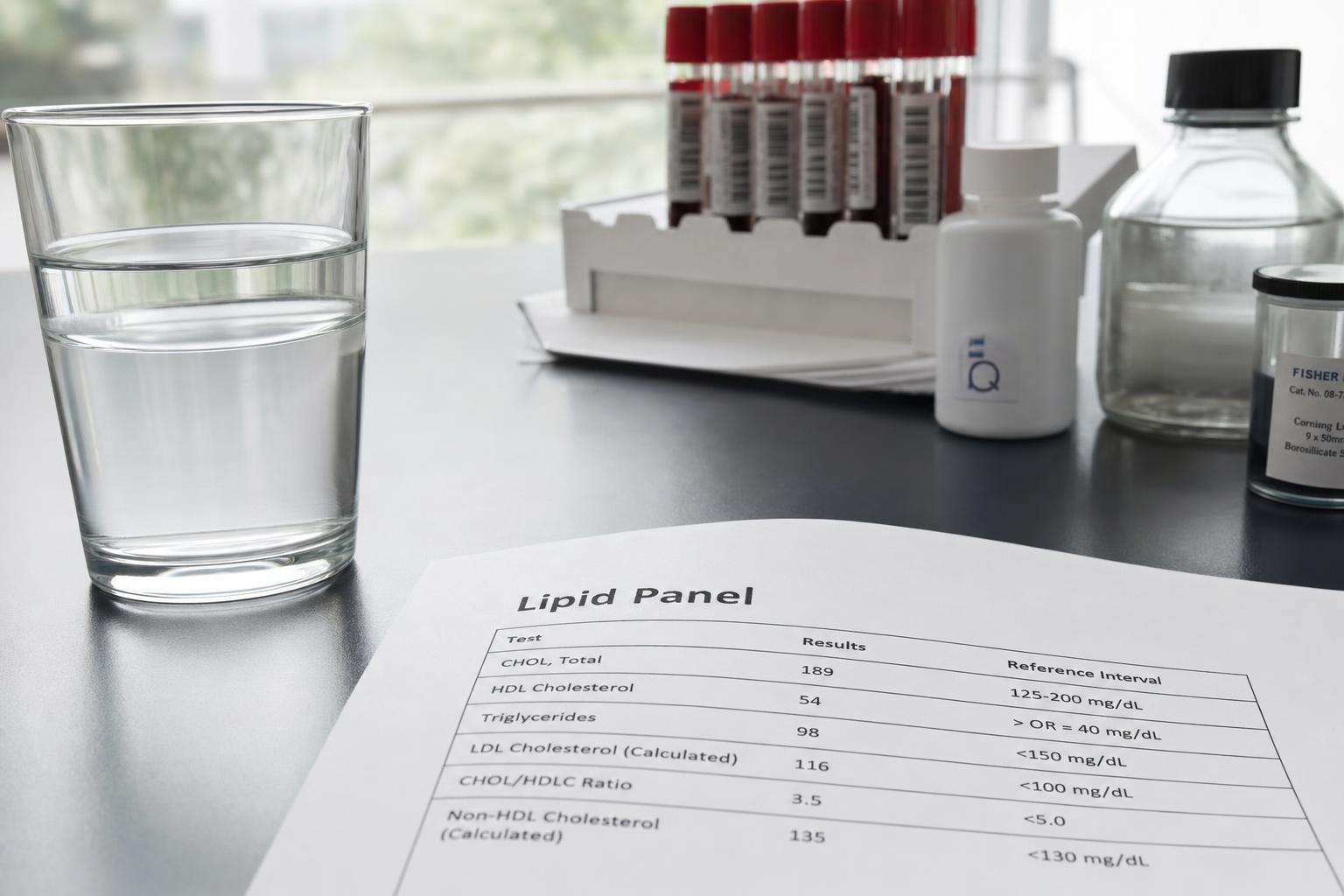
Non-cancer PFAS evidence centers on lipids, thyroid disease, and vaccine antibody responses. EFSA’s group TWI is 4.4 ng/kg bw/week for Σ4 PFAS. ATSDR: do not alter immunization schedules solely for PFAS. No approved elimination drug.
Cancer classifications grab headlines, but day-to-day clinical and regulatory weight often rests on non-cancer endpoints: cholesterol shifts, thyroid disease signals, and immune-function metrics. Those endpoints shaped the C8 probable-link list, EFSA’s food intake limit, and NASEM’s serum-tier suggestions.
This article is informational and editorial only. It is not medical advice, diagnosis, or a treatment plan. Numbers and literature ranges cited here are not personal prescriptions. Consult a qualified clinician before changing medications, supplements, diet, equipment, or management of a diagnosed condition. Seek urgent care for emergencies.
What non-cancer PFAS endpoints does the evidence emphasize?
The C8 Science Panel—formed after mid-Ohio Valley PFOA water contamination—concluded probable links between PFOA and several non-cancer outcomes including hypercholesterolemia and thyroid disease, alongside pregnancy-induced hypertension and ulcerative colitis. Subsequent NHANES and cohort analyses frequently report associations of PFOA/PFOS with higher total or LDL cholesterol. NASEM’s 2022 report bundled thyroid dysfunction, cholesterol changes, immune effects, and certain cancers among adverse effects of concern and recommended exposure reduction plus tiered clinical follow-up by serum sum.
Immune findings carry outsized regulatory weight. EFSA’s 2020 CONTAM assessment set a group tolerable weekly intake of 4.4 ng/kg body weight per week for the sum of PFOA, PFNA, PFOS, and PFHxS, driven largely by decreased vaccine antibody responses as a sensitive endpoint. That TWI is an intake number for food-risk assessment. It is not interchangeable with EPA’s drinking-water MCLs expressed in parts per trillion. Primary explainers live on EFSA’s PFAS intake announcement and the full scientific opinion.
Mechanistically, long-chain PFAS bind serum proteins, distribute to liver, and interact with pathways relevant to lipid transport and endocrine signaling. That biology supports why lipids and thyroid appear repeatedly without implying a single pathognomonic bedside syndrome. Most highly exposed people present with ordinary labs—high LDL, abnormal TSH—plus an exposure story, not a unique “PFAS face.”
| Endpoint | Evidence frame | Practical note |
|---|---|---|
| Lipids / cholesterol | C8 probable link; epi associations | Treat lipids per guidelines; cut water dose |
| Thyroid disease | C8 probable link; NASEM concern | Symptom- and tier-informed TSH evaluation |
| Vaccine antibodies | EFSA critical endpoint for TWI | Do not skip routine immunizations |
| Unique PFAS syndrome | Not established | Common conditions + exposure history |
How should clinicians and readers use NASEM tiers?
NASEM anchors of roughly <2, 2–<20, and ≥20 ng/mL for a specified PFAS sum help structure exposure-reduction urgency and follow-up intensity. ATSDR summaries note adult TSH considerations at higher tiers and emphasize that presentation is often asymptomatic exposure concern or ordinary conditions such as elevated cholesterol. Nearly all U.S. residents have detectable PFAS; many exceed 2 ng/mL for summed analytes, so the middle tier is not rare. The highest tier historically captured about 9% of NHANES participants depending on wave and analyte set.
Critical vaccine nuance: associations with slightly lower antibody responses do not justify rewriting the immunization schedule for PFAS alone. ATSDR’s clinical overview is explicit on that point. The public-health trade is clear—vaccine-preventable disease risk is concrete; PFAS management is exposure reduction plus ordinary medical care for lipids, thyroid disease, and related findings.
Half-lives also shape expectations. After you fix water, long-chain serum levels still decline over years. That timeline is why exposure reduction is urgent even when today’s lipid panel is the more actionable clinic visit. Pair engineering controls with guideline-based medical therapy rather than waiting for an unapproved detox to “clear the hormone disruptors.”
What actions actually move risk for these endpoints?
Because long-chain half-lives run in years, the fastest way to bend a future serum curve is to stop high ongoing intake. Contaminated drinking water near industrial, airport, or AFFF sites is repeatedly the highest household lever. Product swaps and dust control help at the margin but rarely match a contaminated well. There is no approved chelation drug for PFAS body burden.
For lipids and thyroid disease already present, use standard diagnostics and therapies. PFAS history may motivate water testing and certified filtration; it does not replace statins when indicated or thyroid hormone when indicated. Pregnancy contexts prioritize blood-pressure monitoring for pregnancy-induced hypertension history in highly exposed communities, with breastfeeding generally continued for most people under CDC/AAP/ATSDR-style defaults while securing safe formula water if formula is used.
Food-intake framing under EFSA’s TWI matters for people who eat local fish from contaminated waters or work in high-dust treated-textile environments, but for most U.S. households with a contaminated well, water still dominates the intervention list. Compare like instruments: TWI for intake modeling, MCL for utility compliance, serum tiers for clinical triage.
Bottom line: non-cancer endpoints are not secondary trivia—they are load-bearing for European intake limits and U.S. clinical tiering. Keep units honest, keep vaccines on schedule, and put engineering controls on water before buying detox theater.
Sources & citations
Frequently asked