Hormones & Genes
Parabens and Fragrance Mixtures: Preservatives Meet Scent Chemistry
Parabens preserve products; fragrance hides dozens of chemicals. Mixture exposure—not single-molecule purity theater—is the real dose story.
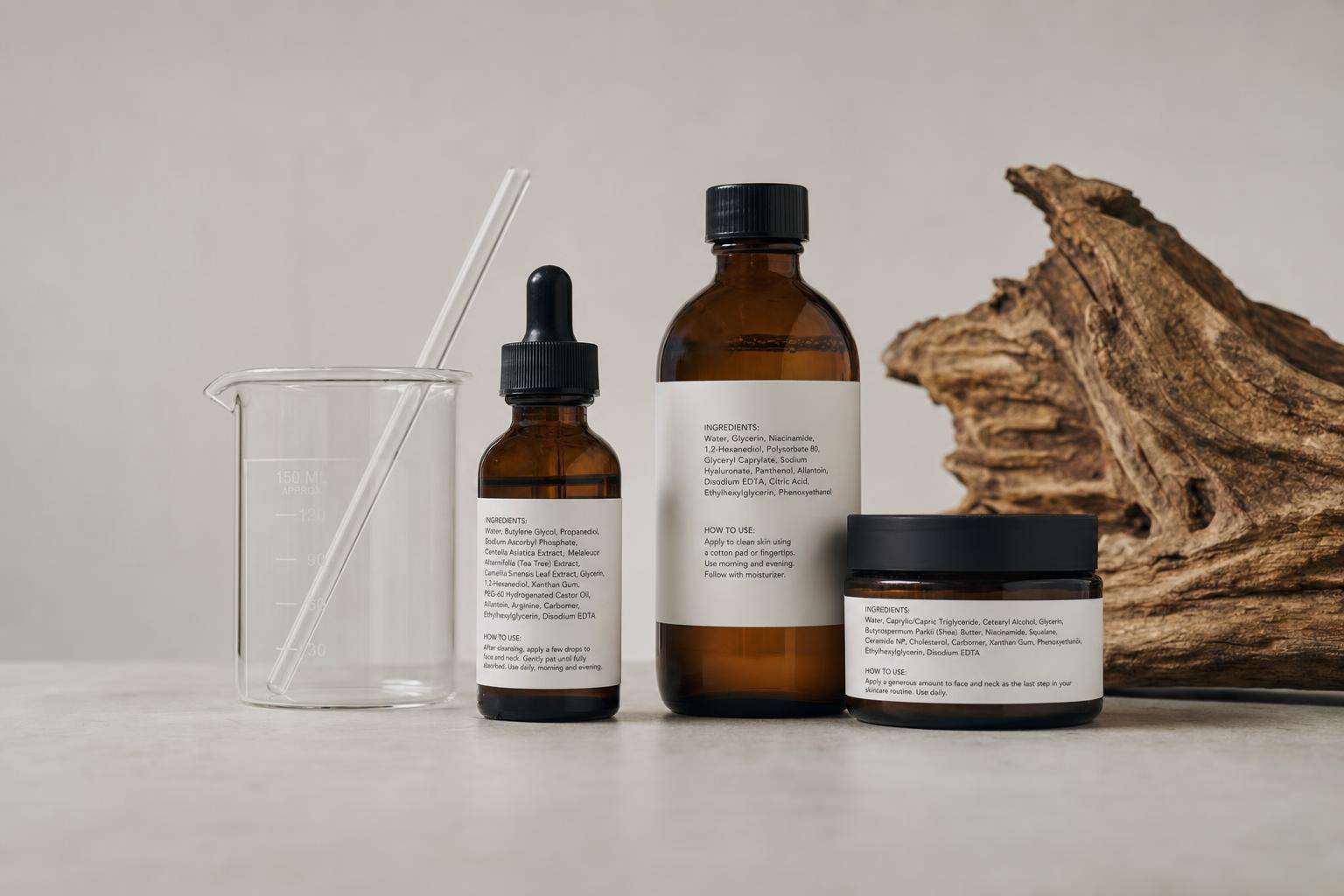
Personal care delivers mixtures: paraben preservatives plus multi-chemical fragrance. Urinary biomarkers fall within days after whole-product swaps (HERMOSA). Grade longer-chain parabens and leave-on dose higher than pure marketing slogans.
Ingredient culture loves single villains. Bathroom counters deliver cocktails: preservatives, solvents, musks, allergens, and UV filters co-applied daily. Mixture literacy beats purity theater.
This article is informational and editorial only. It is not medical advice, diagnosis, or a treatment plan. Numbers and literature ranges cited here are not personal prescriptions. Consult a qualified clinician before changing medications, supplements, diet, equipment, or management of a diagnosed condition. Seek urgent care for emergencies.
How do parabens and fragrance co-occur in products?
Preservatives prevent microbial growth in water-containing formulas; fragrance sells identity and masks base odors. Both can appear on the same leave-on product.
U.S. “fragrance” disclosure can hide dozens of constituents while parabens appear by name—so visible chemistry is uneven.
Dermal absorption and near-field inhalation add to oral and environmental paths for related EDCs.
What do intervention trials teach about real-world mixtures?
HERMOSA is the pedagogical gold standard: multi-chemical personal-care swap → multi-metabolite drop in days.
That proves exposure is modifiable without medicalization. It does not prove every metabolite drop equals disease prevention.
Use biomarker change as an exposure KPI, not as a diagnostic of endocrine disease.
| Chemical class | Role in product | Biomarker angle |
|---|---|---|
| Parabens | Preservative | Urinary parabens drop after swaps |
| DEP / MEP | Fragrance solvent | Tracks perfume use |
| Synthetic musks | Base note / laundry | Lipid matrices more than urine |
| Listed allergens | Scent allergens | EU threshold labeling |
| Whole stack | Daily leave-on use | Mixture dose reality |
How should hazard be graded inside the mixture?
Longer-chain parabens and anti-androgenic phthalates generally draw more endocrine concern than every minor fragrance alcohol.
Allergens drive contact dermatitis and asthma-relevant irritation for some people independent of classical receptor EDCs.
Endocrine Society EDC frameworks prioritize vulnerable developmental windows and mixture additivity over single-chemical comfort statements alone.
What is a sane household strategy?
Swap high-leave-on fragrance and multi-paraben lotions first. Prefer full-disclosure brands. Ventilate when spraying.
Do not panic-replace every rinse-off product overnight; prioritize dose and contact time.
Keep clinical symptoms (dermatitis, asthma flares) on a medical track separate from general body-burden curiosity.
Sources: Harley HERMOSA 2016 product intervention; FDA parabens in cosmetics; Endocrine Society EDC topics.
Readers should dual-source primary literature, translate slogans into exposure units and effect sizes, and rank interventions by expected value under uncertainty. Cheap reversible steps often outrank extreme protocols. Opportunity cost is real: hours spent on unvalidated tests are hours not spent on sleep, training, protein adequacy, and primary care. Sex, life stage, comorbidities, medications, and geography change interpretation. Prefer falsifiable claims with named endpoints over multi-disease cure lists. Update beliefs when stronger trials appear rather than freezing identity around a single paper or influencer narrative. Measured curiosity beats both panic and complacency. Further reading should prioritize primary sources and consensus documents over secondary social summaries. When evidence is mixed, state both the signal and the limits in the same paragraph. When evidence is strong, still avoid overclaiming universality across populations.
Context, dose, endpoint, and population must travel together; slogans that drop any of those four are not finished claims.
Context, dose, endpoint, and population must travel together; slogans that drop any of those four are not finished claims.
Context, dose, endpoint, and population must travel together; slogans that drop any of those four are not finished claims.
Context, dose, endpoint, and population must travel together; slogans that drop any of those four are not finished claims.
Context, dose, endpoint, and population must travel together; slogans that drop any of those four are not finished claims.
Context, dose, endpoint, and population must travel together; slogans that drop any of those four are not finished claims.
Context, dose, endpoint, and population must travel together; slogans that drop any of those four are not finished claims.
Context, dose, endpoint, and population must travel together; slogans that drop any of those four are not finished claims.
Context, dose, endpoint, and population must travel together; slogans that drop any of those four are not finished claims.
Context, dose, endpoint, and population must travel together; slogans that drop any of those four are not finished claims.
Context, dose, endpoint, and population must travel together; slogans that drop any of those four are not finished claims.
Context, dose, endpoint, and population must travel together; slogans that drop any of those four are not finished claims.
Context, dose, endpoint, and population must travel together; slogans that drop any of those four are not finished claims.
Context, dose, endpoint, and population must travel together; slogans that drop any of those four are not finished claims.
Context, dose, endpoint, and population must travel together; slogans that drop any of those four are not finished claims.
Context, dose, endpoint, and population must travel together; slogans that drop any of those four are not finished claims.
Context, dose, endpoint, and population must travel together; slogans that drop any of those four are not finished claims.
Context, dose, endpoint, and population must travel together; slogans that drop any of those four are not finished claims.
Context, dose, endpoint, and population must travel together; slogans that drop any of those four are not finished claims.
Sources & citations
Frequently asked