Fitness
Body Composition Strategies for Women: Recomp, Deficit Rate, and Muscle Retention
Sustainable fat loss pairs RT + high protein + modest deficit. ISSN-class hypocaloric protein often ~2.3–3.1 g/kg for trained lifters. Avoid chronic LEA.
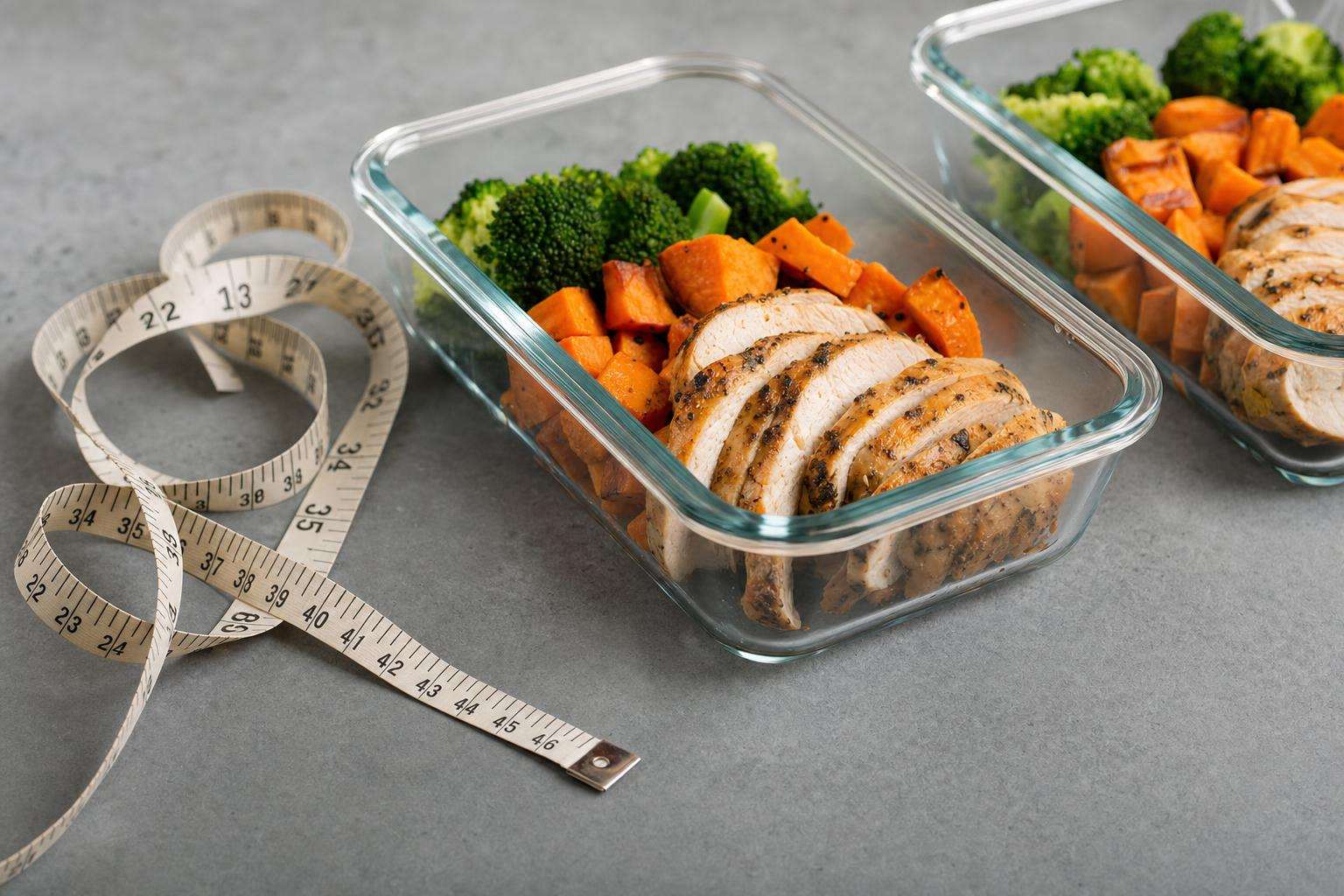
Women’s body comp: RT + high protein + small deficit, diet breaks, track trends not daily scale. Aggressive cuts + high load = RED-S risk.
Body composition is a multi-month systems problem. The winning pattern is boring on purpose: lift, protein, modest energy gap, recover, repeat.
This article is informational and editorial only. It is not medical advice, diagnosis, or a treatment plan. Numbers and literature ranges cited here are not personal prescriptions. Consult a qualified clinician before changing medications, supplements, diet, equipment, or management of a diagnosed condition. Seek urgent care for emergencies.
What does sports nutrition say about protein in deficits?
Higher protein helps retain lean mass when calories fall—ISSN 2017 discusses elevated targets for trained people in hypocaloric phases.
Hit protein first; flexible remaining macros around training carbs.
Supplements are secondary to total intake and training quality.
How should phases be organized?
Mini-cut → maintenance → build cycles beat year-round contest prep calories.
Diet breaks (1–2 weeks at maintenance) every several deficit weeks can support adherence.
Performance-first athletes slow the deficit when PRs matter.
| Variable | Practical band | Note |
|---|---|---|
| Weekly loss | Often ≤0.5–1% BM | Athletes/performance |
| Protein in deficit | ~2.0–3.1 g/kg | Upper for trained |
| RT frequency | ≥2–4×/wk | Keep progressive |
| Start deficit | ~250–500 kcal/d | Individualize |
| Chronic EA | Avoid <30 kcal/kg FFM living | RED-S awareness |
What training stays non-negotiable?
Keep hard RT; do not convert entirely to cardio for “definition.”
ACSM continuity of resistance training supports muscle function across adult life.
NEAT often drops when dieting—watch spontaneous movement.
What anti-patterns sabotage women?
Daily body-fat device obsession, restaurant-meal panic cuts, and combining marathon prep with aggressive fat loss casually.
Very low energy diets celebrated when periods vanish.
Ignoring sleep and stress while chasing perfect macros.
Sources: ISSN protein position 2017; IOC REDs 2023; ACSM RT continuity.
Readers should dual-source primary literature, translate slogans into exposure units and effect sizes, and rank interventions by expected value under uncertainty. Cheap reversible steps often outrank extreme protocols. Opportunity cost is real: hours spent on unvalidated tests are hours not spent on sleep, training, protein adequacy, and primary care. Sex, life stage, comorbidities, medications, and geography change interpretation. Prefer falsifiable claims with named endpoints over multi-disease cure lists. Update beliefs when stronger trials appear rather than freezing identity around a single paper or influencer narrative. Measured curiosity beats both panic and complacency. Further reading should prioritize primary sources and consensus documents over secondary social summaries. When evidence is mixed, state both the signal and the limits in the same paragraph. When evidence is strong, still avoid overclaiming universality across populations.
Context, dose, endpoint, and population must travel together; slogans that drop any of those four are not finished claims.
Context, dose, endpoint, and population must travel together; slogans that drop any of those four are not finished claims.
Context, dose, endpoint, and population must travel together; slogans that drop any of those four are not finished claims.
Context, dose, endpoint, and population must travel together; slogans that drop any of those four are not finished claims.
Context, dose, endpoint, and population must travel together; slogans that drop any of those four are not finished claims.
Context, dose, endpoint, and population must travel together; slogans that drop any of those four are not finished claims.
Context, dose, endpoint, and population must travel together; slogans that drop any of those four are not finished claims.
Context, dose, endpoint, and population must travel together; slogans that drop any of those four are not finished claims.
Context, dose, endpoint, and population must travel together; slogans that drop any of those four are not finished claims.
Context, dose, endpoint, and population must travel together; slogans that drop any of those four are not finished claims.
Context, dose, endpoint, and population must travel together; slogans that drop any of those four are not finished claims.
Context, dose, endpoint, and population must travel together; slogans that drop any of those four are not finished claims.
Context, dose, endpoint, and population must travel together; slogans that drop any of those four are not finished claims.
Context, dose, endpoint, and population must travel together; slogans that drop any of those four are not finished claims.
Context, dose, endpoint, and population must travel together; slogans that drop any of those four are not finished claims.
Context, dose, endpoint, and population must travel together; slogans that drop any of those four are not finished claims.
Context, dose, endpoint, and population must travel together; slogans that drop any of those four are not finished claims.
Context, dose, endpoint, and population must travel together; slogans that drop any of those four are not finished claims.
Context, dose, endpoint, and population must travel together; slogans that drop any of those four are not finished claims.
Context, dose, endpoint, and population must travel together; slogans that drop any of those four are not finished claims.
Context, dose, endpoint, and population must travel together; slogans that drop any of those four are not finished claims.
Context, dose, endpoint, and population must travel together; slogans that drop any of those four are not finished claims.
Context, dose, endpoint, and population must travel together; slogans that drop any of those four are not finished claims.
Sources & citations
Frequently asked