Expert Dossiers
Paul Saladino Evidence Dossier: Animal-Based Diet Claims Graded
Grade Paul Saladino's animal-based and carnivore-era claims A–D. Keep organ nutrient density kernels; reject plant-poison absolutism, fiber denial, raw-dairy safety marketing, and unmonitored ApoB dismissal.
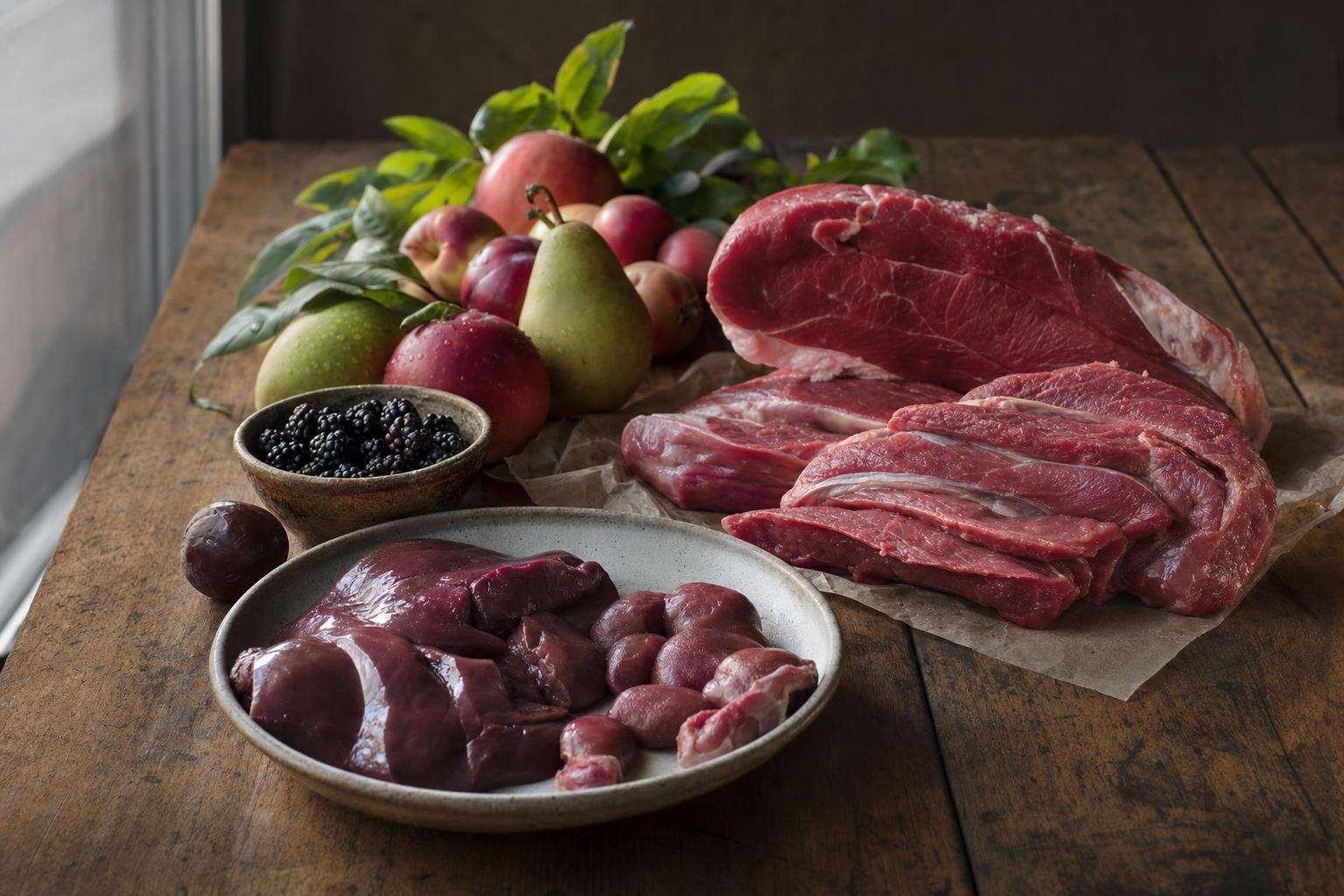
Paul Saladino's animal-based pattern is a meat-forward elimination diet that may help some people via ultra-processed food removal and simplification — not proven species-optimal biology. Keep organ nutrient density; reject plant-poison absolutism, fiber denial, raw-milk safety marketing, and ApoB dismissal. Version-stamp carnivore-era versus animal-based-era claims.
Informational editorial content only — not medical advice, not a personal protocol, and not a substitute for clinical care.
Paul Saladino, MD, is a board-certified psychiatrist and listed physician nutrition specialist who popularized strict carnivore messaging and later a more fruit-and-honey-inclusive animal-based pattern. Credentials are real but narrow relative to universal cardiovascular and population diet claims. Reach is not an evidence grade. Commercial adjacency (for example organ-supplement ecosystems) should be disclosed when products enter the frame. This dossier grades claims; it does not litigate personality.
What is the protocol — and why does version-stamping matter?
Strict carnivore emphasizes meat, organs, eggs, and sometimes dairy with near-zero plants. Animal-based, as described on protocol pages, adds fruit, honey, and raw dairy for many followers while keeping meat central and organs weekly (liver moderated). Protein targets are often scaled aggressively to body weight. The pivot from long-term carnivore/ketosis messaging toward more carbohydrate from fruit is itself evidence that absolute early claims deserve downgrades. Calling fruit-heavy menus carnivore confuses labels.
| Claim | Grade | Note |
|---|---|---|
| Organ nutrient density | A/B | Food composition, not drug proof |
| Organs cure autoimmunity | D | Unsupported disease-drug claim |
| Plants = poison absolute | D | False absolute; fruit breaks it anyway |
| Oxalate relevant to stone formers | A/B | Context-specific, not universal |
| Seed oils always inflame | D | LA essential; frying abuse is cleaner harm path |
| Fiber unnecessary/harmful absolute | D | Fails Reynolds population evidence |
| Higher fiber ↔ lower mortality (pop.) | A (SR-obs) | Lancet 2019 class |
| Raw milk safe/superior public claim | D | FDA pathogen risk |
| Animal-based is species-optimal | D | No hard-outcome RCTs |
How should plant toxins, seed oils, and fiber claims be adjudicated?
Plant defense chemicals exist; dose and context matter. Oxalates matter for some stone formers; "avoid broccoli because sulforaphane is toxic" is Grade D cosplay. Seed-oil memes that equate frying oil abuse with smoking miss essential linoleic acid biology and the stronger practical harm pathway of heavily oxidized fryer oils and ultra-processed patterns. Fiber denial collides with Reynolds et al., Lancet 2019, which associated higher fiber with lower mortality and disease risk. GI relief on elimination diets often has alternate explanations (FODMAP reduction, weight loss, UPF removal) without proving plants are poison.
What risks, labs, and sex axes need emphasis?
Priority risks: chronic ApoB/LDL elevation (especially FH, ASCVD, midlife men); raw dairy and raw animal pathogen exposure; retinol/iron/copper excess from aggressive organs; amenorrhea and low energy availability in women athletes; long-term zero-fiber uncertainty versus population data; psychological rigidity. The Lennerz 2021 carnivore survey is self-selected, short median duration (~14 months), male-skewed, and reported median LDL near 172 mg/dL in the lipid subset — useful signal, not a trial. FDA raw milk warnings remain load-bearing. Women: functional hypothalamic amenorrhea and pregnancy retinol/raw-dairy rules. Men: absolute CVD risk multiplies high LDL. Both: lab monitoring; UPF removal without mandatory full plant deletion.
How does this compare with mainstream pattern evidence?
PREDIMED and AHA dietary fat guidance support plant-forward patterns with outcome and risk-factor evidence carnivore surveys lack. Honest use-case for animal-based: short supervised elimination or meat-forward whole-food trial with lipid and micronutrient monitoring — not a network-wide prescription. Anti-patterns: survey-as-trial; hiding COI; version confusion; TG/HDL cope for extreme ApoB; infant raw milk content; seed-oil memes without frying nuance; sex-blind extrapolation from male surveys. For seed-oil depth, see the seed oils evidence guide; for pattern-first nutrition, see seasonal/regional and organic guides.
Evidence grades here follow a simple editorial ladder: Grade A for multi-study human agreement or guideline consensus; Grade B for consistent human signal with residual uncertainty; Grade C for limited or preclinical-only support; Grade D for anecdote, marketing, or mechanism-only claims. Prefer primary agency and trial sources over social media summaries when decisions are personal and medical.
Evidence grades here follow a simple editorial ladder: Grade A for multi-study human agreement or guideline consensus; Grade B for consistent human signal with residual uncertainty; Grade C for limited or preclinical-only support; Grade D for anecdote, marketing, or mechanism-only claims. Prefer primary agency and trial sources over social media summaries when decisions are personal and medical.
Evidence grades here follow a simple editorial ladder: Grade A for multi-study human agreement or guideline consensus; Grade B for consistent human signal with residual uncertainty; Grade C for limited or preclinical-only support; Grade D for anecdote, marketing, or mechanism-only claims. Prefer primary agency and trial sources over social media summaries when decisions are personal and medical.
Evidence grades here follow a simple editorial ladder: Grade A for multi-study human agreement or guideline consensus; Grade B for consistent human signal with residual uncertainty; Grade C for limited or preclinical-only support; Grade D for anecdote, marketing, or mechanism-only claims. Prefer primary agency and trial sources over social media summaries when decisions are personal and medical.
Evidence grades here follow a simple editorial ladder: Grade A for multi-study human agreement or guideline consensus; Grade B for consistent human signal with residual uncertainty; Grade C for limited or preclinical-only support; Grade D for anecdote, marketing, or mechanism-only claims. Prefer primary agency and trial sources over social media summaries when decisions are personal and medical.
Sources & citations
Frequently asked