Evidence-dense health optimization

Health Canon

Expert Dossiers

Jack Kruse: The Habits Worth Keeping (2026)

Kernel-only ranking: circadian light, night hygiene, moderate cold, seafood omega-3s, meal structure, and an explicit quarantine list—not an endorsement.
14 MIN READ 4 SOURCES
Expert Dossiers Sunrise light through an open window onto a simple bedroom, no people
Illustration: Health Canon

Jack Krusecircadian lightcold exposureleptin claimsevidence dossier

Bottom line

Evidence-aligned kernels only—circadian light, night hygiene, moderate cold, seafood, meal structure—not an endorsement of speculative shells.

  • Morning outdoor daylight entrainment — ipRGC/melanopsin circadian biology is A/B-grade hygiene; morning daylight is a consensus zeitgeber without needing monocausal obesity claims.
  • Night artificial light hygiene — Reducing evening bright light and screens costs little and protects melatonin timing—high ROI without devices.
  • Fatty fish / EPA+DHA food pattern — Heart and general guidance support regular fatty fish; drop electron-fish hierarchy rhetoric.

How we built this guide

We extracted habits marketed in Jack Kruse–adjacent teaching that survive contact with mainstream evidence, ranking kernels by clinical/hygiene evidence grade while quarantining speculative shells. Not an endorsement of Kruse protocols, products, or totalizing hierarchy claims.

  • Kernel evidence grade. Independent photobiology, cold, nutrition, or behavioral evidence.
  • Shell separation. Whether the habit can be practiced without speculative physics.
  • Safety. UV excess, cold shock, underfueling/FHA, care delay risks.
  • Decision usefulness. Practical for general readers without clinic cosplay.

Key takeaways

  1. Morning outdoor daylight for circadian entrainment
  2. Night-time artificial-light hygiene
  3. Moderate cold exposure, not extreme cold-therapy cure lists
  4. A fatty-fish, EPA/DHA-rich food pattern
  5. Protein-forward daytime meals with less all-day snacking
  6. Quarantine: nnEMF primacy, 'EZ water' products, light-over-food absolutism

Morning outdoor daylight for circadian entrainment

Consensus circadian hygiene—not “obesity begins only in the eye”

Morning light is a primary zeitgeber for the human circadian system via intrinsically photosensitive retinal ganglion cells and melanopsin pathways described in photobiology literature. Getting outdoor light earlier in the day helps entrain sleep-wake timing for many people and is a low-cost habit endorsed in sleep-hygiene contexts without influencer branding. What does not survive evidence review is a monocausal claim that modern obesity epidemics are solely an eye/light spectrum problem or that sunlight is literally the number-one macronutrient replacing energy balance. Those totalizing shells are speculative relative to multi-causal obesity science. Ranked first as the strongest Kruse-adjacent kernel when stripped to consensus words: seek daytime light, especially morning, while practicing UV skin-cancer prudence. Duration needs are individual; bright winter latitudes may need longer outdoor time or light therapy devices under clinical guidance for seasonal issues. Do not stare at the sun. Pair with consistent sleep schedules. Glasses and windows filter spectra differently—outdoor light remains the practical default. This habit requires no paid protocol and no rejection of dietary energy balance.

Who this is for: People with delayed sleep phase tendencies or indoor-dominant routines

Do

  • Strong photobiology mechanism base
  • Low cost and broadly accessible
  • Improves circadian hygiene for many without drugs
  • Separable from speculative obesity monocause claims

Watch out

  • UV skin risk if overdone unprotected; not a stand-alone obesity cure

Night-time artificial-light hygiene

Protect melatonin timing—dim evenings beat blue-blocker cosplay alone

Evening and night exposure to electric light, especially bright short-wavelength-rich light, can suppress melatonin and shift circadian phase—a robust finding across photobiology and sleep research. Practical hygiene includes dimming household lights after dusk, reducing phone/laptop luminance, using warmer color temperatures, and keeping bedrooms dark for sleep. Blue-blocking glasses are optional tools, not magic; intensity and timing dominate. Kruse-adjacent teaching often emphasizes avoiding artificial light at night; the kernel is evidence-aligned, while apocalyptic framing that night light alone explains all metabolic disease is not. Ranked as best value because many changes are free and immediately testable via sleep diaries. Shift workers need specialized strategies and should not be shamed with impossible perfect darkness rules. Night lights for safety can be low, warm, and indirect. Combine with morning light for a full zeitgeber sandwich. Avoid replacing sleep medicine evaluation with gadgets alone when insomnia is chronic. This is circadian hygiene, not a moral purity test.

Who this is for: Anyone optimizing sleep timing in electrified homes

Do

  • High-quality evidence that night light affects melatonin and circadian timing
  • Mostly free behavioral changes
  • Synergizes with morning light habits
  • Improves sleep environment design

Watch out

  • Shift work constraints; easy to over-restrict socially; not a full insomnia treatment

Moderate cold exposure, not extreme cold-therapy cure lists

BAT and acute EE signals are real; reverse-diabetes claims are not

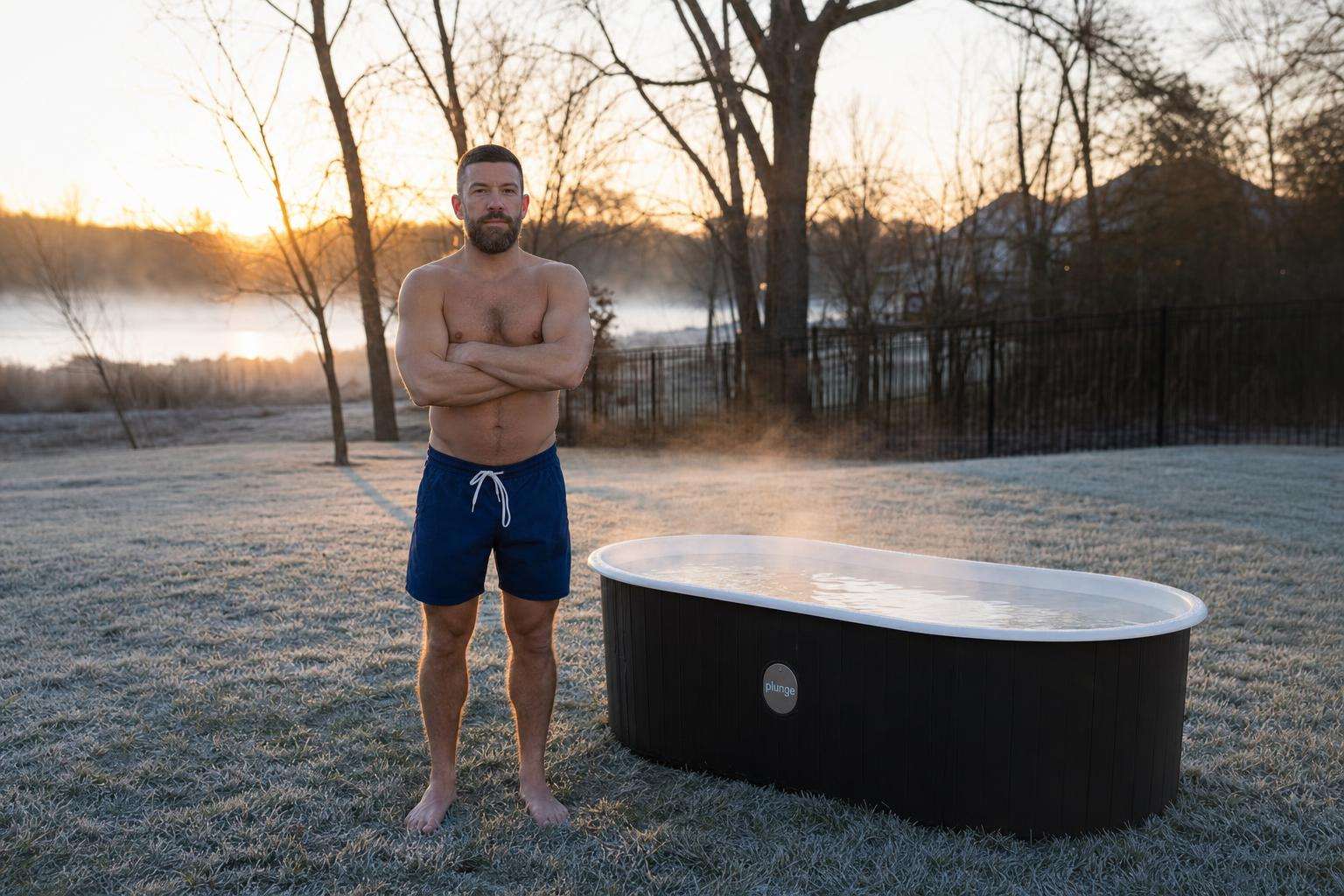
Cold exposure can activate brown adipose tissue and raise energy expenditure in human studies; cold-water immersion and cool ambient protocols appear in metabolic research with mixed weight-loss magnitude. That is a B/C clinical story for body weight—not a license for claims that cold thermogenesis permanently kills fat or reverses diabetes and thyroid disease as a universal cure list. American Heart Association–class warnings about cold-water shock and cardiac events are real: sudden immersion can trigger arrhythmias and drowning risk, especially with heart disease or alcohol. Ranked as a careful middle habit: cool showers finishers, winter walks with adequate clothing skill, or supervised protocols—not multi-hour ice maximalism. Women with low energy availability face different endocrine risks than the classic male weight-loss anecdote; cold plus underfueling is not automatically virtuous. Drop quantum branding; keep measurable cold dose and stop rules. If you have cardiovascular disease, ask a clinician before cold plunges. Shivering uncontrollably and numbness are stop signs, not badges. This kernel survives only with safety gates intact. It should never delay standard diabetes or thyroid care.

Who this is for: Healthy adults wanting cautious cold hormesis after medical self-screen

Do

  • Human evidence for BAT activation and EE increases
  • Can be scaled gently (cool walks, short cool showers)
  • May aid alertness subjectively for some
  • Separable from unsupported disease-cure marketing

Watch out

  • Cardiac cold-shock risk; weak as primary weight therapy; easy to overdo from influencer content

A fatty-fish, EPA/DHA-rich food pattern

Seafood omega-3 guidance survives; electron hierarchy does not

Regular fatty fish intake supplying EPA and DHA is supported by cardiovascular nutrition guidance and broader diet-pattern evidence; roughly two fish meals weekly is a common public-health heuristic depending on species and mercury considerations. Kruse-adjacent Epi-Paleo framing sometimes wraps seafood in speculative quantum or “electron-rich” language that is unnecessary for the nutrition kernel. Ranked high because readers can keep the food pattern and discard the physics shell. Pregnancy has specific FDA/EPA fish-choice advisories for mercury—follow those lists. Supplements are alternatives when fish is refused, with different evidence contours for outcomes. Do not use seafood as a reason to eliminate all plant fiber if your gut and preferences include plants—another place influencer stacks diverge from general guidance. Quality and sustainability choices are personal values layered on health. Canned sardines and salmon are budget-friendly kernel vehicles. This habit supports nutrition without requiring identity as a Kruse follower. Allergy and gout histories need individualization.

Who this is for: People upgrading diet patterns toward seafood omega-3s without speculative framing

Do

  • Guideline-friendly omega-3 food pattern
  • Concrete meals instead of abstract physics
  • Budget canned options exist
  • Separable from brand mythology

Watch out

  • Mercury species limits; not a cure-all; supplements are not identical to fish matrices

Protein-forward daytime meals with less all-day snacking

Behavioral appetite structure—not proven hypothalamic rewiring

Some Kruse-associated “Leptin Rx” style rules emphasize protein breakfasts and reduced snacking. As behavioral experiments, higher-protein meals can increase satiety for many people, and fewer continuous snacks can reduce incidental calories—C/B grade behavioral nutrition depending on study design. What is not established is that such rules rewire the hypothalamus as clinical “brain surgery without a blade” or that they uniquely restore leptin signaling in common obesity beyond ordinary energy balance and sleep. Leptin biology itself is A-grade science (hormone of energy stores; resistance in common obesity), but protocol branding is not the same as leptin pharmacology. Ranked carefully: keep satiety-aware meal structure if it helps adherence; reject absolute no-snack moralism and underfueling. Women athletes and anyone with menstrual disturbance must not confuse leptin-deficiency risk from low energy availability with obesity-leptin-resistance narratives. Pair protein targets with resistance training for body composition. Medical eating disorders require specialist care, not internet fasting stacks. Use meals you can sustain for years. This is appetite hygiene, not endocrine surgery.

Who this is for: Adults seeking simpler meal structure without medical red flags for disordered eating

Do

  • Protein and meal structure can aid satiety and diet adherence
  • Compatible with mainstream sports nutrition protein ranges
  • No special equipment
  • Can be tested for a few weeks with weight and energy logging

Watch out

  • Not proven hypothalamic rewiring; risk of underfueling if combined with extremes

Quarantine: nnEMF primacy, 'EZ water' products, light-over-food absolutism

Knowing what not to import is a high-value habit

An evidence-first reading of Kruse-adjacent content requires an active quarantine list. IARC classifies radiofrequency EMF as Group 2B (possible carcinogen) based on limited evidence—honest uncertainty, not proof that non-native EMF is the primary driver of obesity and diabetes epidemics. Thermal safety limits (ICNIRP/FCC frameworks) address known heating hazards; lifestyle fear stacks that delay medical care are harms. Bulk water has interesting interfacial physics; commercial “structured/EZ water” clinical therapy claims remain speculative relative to critical chemistry reviews. Absolute hierarchies that always rank light above food as clinical decision rules conflict with multi-causal metabolic disease care. Ranked as a meta-habit: readers who refuse these shells keep the useful circadian and nutrition kernels without buying unneeded devices or abandoning energy balance. Credential truth still matters: neurosurgery board certification does not automatically validate quantum biophysics lifestyle franchises. Origin weight-loss anecdotes are n-of-one Grade D evidence. Use this quarantine list whenever a podcast leapfrogs from real melanopsin biology to totalizing physics. That discipline is itself an evidence habit.

Who this is for: Readers consuming biohacking media who want a written non-endorsement boundary

Do

  • Prevents costly pseudoscience purchases
  • Preserves scientific uncertainty without denial (e.g., IARC 2B)
  • Protects against care delay and extreme restriction
  • Clarifies kernel vs shell for other influencer dossiers

Watch out

  • Not a positive protocol; requires ongoing media literacy effort

Frequently asked

Is this an endorsement of Jack Kruse?

No. This is an evidence-grading exercise that extracts habits with independent scientific support and quarantines speculative shells. Credentialed surgery expertise does not automatically validate every metabolic claim. Use primary photobiology, nutrition guidance, and safety agencies as the backstop—not podcast certainty.

What is the single best kernel if I only change one thing?

Most people get the highest safe ROI from circadian light hygiene: morning outdoor light and dimmer evenings. It is low cost, mechanistically grounded, and does not require rejecting ordinary diet and exercise evidence. Add fatty fish and sleep consistency next. Skip extreme cold until you understand cardiac risk screens.

Does cold exposure reverse diabetes?

No adequate evidence supports cold as a diabetes-reversing cure, and cold-water immersion carries cardiac and drowning risks. Standard diabetes prevention and care—weight management when indicated, diet pattern, activity, sleep, and medications—remain primary. Mild cool habits are optional experiments, not replacements for indicated therapy.

Should I fear Wi-Fi because of IARC 2B?

IARC Group 2B means possible carcinogen with limited evidence—the same broad bin that has included other familiar exposures historically. It is not proof of a non-thermal epidemic driving obesity. Practical steps can include not sleeping with a phone on your pillow if you prefer caution, without abandoning evidence-based medical care or panicking about every router.

What about leptin resistance protocols?

Leptin is a real hormone; common obesity features leptin resistance rather than simple deficiency. Internet “leptin reset” protocols that promise hypothalamic rewiring lack rigorous clinical proof comparable to standard obesity care. Protein-rich meals and fewer mindless snacks may help some people behaviorally. Menstrual dysfunction or extreme restriction needs clinical attention, not harder protocol adherence.