Environmental Health
U.S. Fragrance Regulation Gaps: Trade Secrets, MoCRA, and Patchwork States
FDA fragrance trade-secret labeling, uneven cleaning-product rules, and slow allergen rulemaking leave U.S. shoppers under-informed.
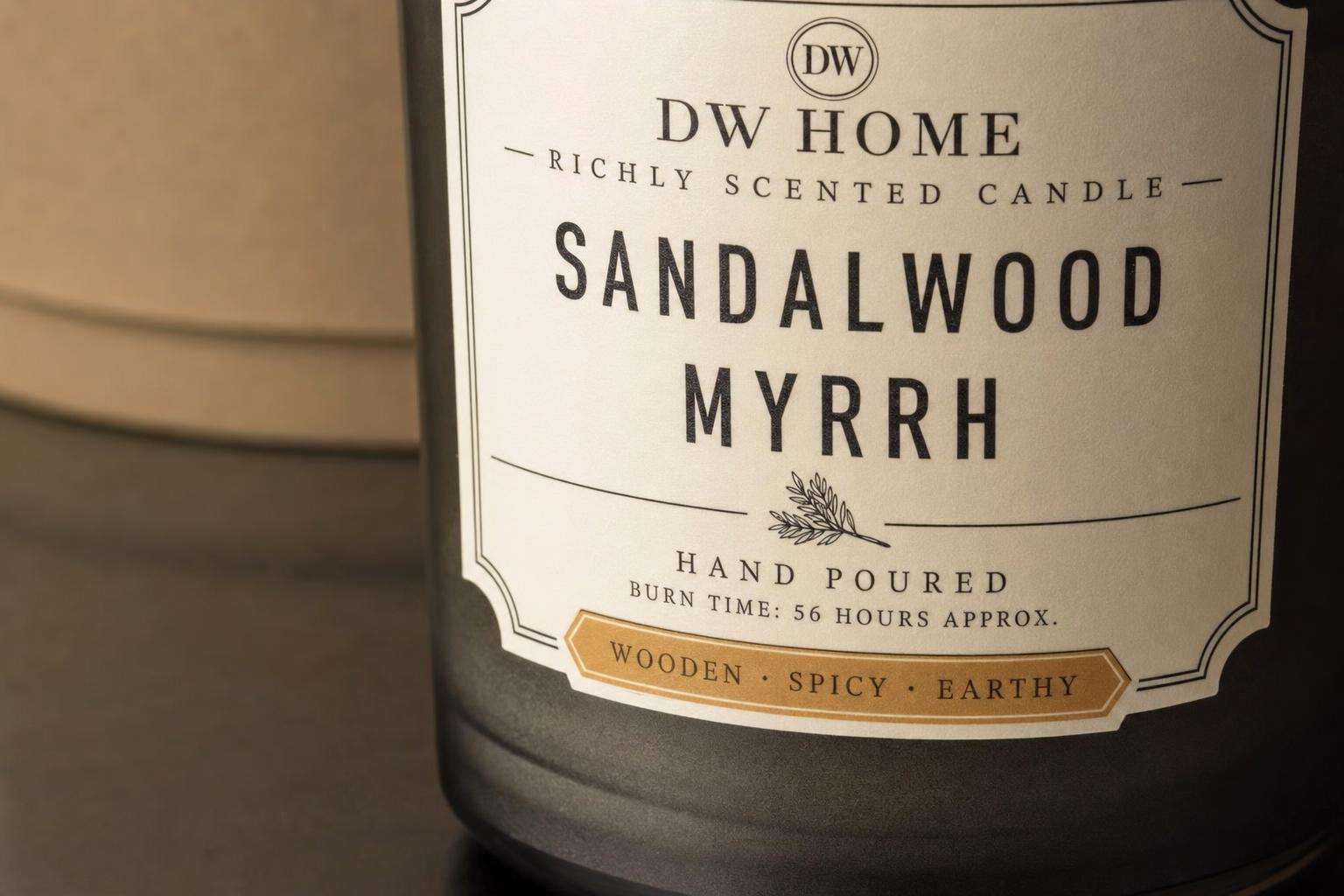
U.S. law still allows trade-secret “fragrance” on many labels. MoCRA and state right-to-know laws narrow—not erase—the gap. Legality ≠ full chemical transparency.
American fragrance policy is a patchwork: federal trade-secret defaults, incremental MoCRA modernization, and blue-state disclosure experiments. Shoppers need literacy because labels under-inform.
This article is informational and editorial only. It is not medical advice, diagnosis, or a treatment plan. Numbers and literature ranges cited here are not personal prescriptions. Consult a qualified clinician before changing medications, supplements, diet, equipment, or management of a diagnosed condition. Seek urgent care for emergencies.
What is the federal baseline?
Cosmetic fragrance trade-secret listing remains foundational FDA-described practice.
Pre-MoCRA oversight was widely criticized as weaker than drug/device frameworks.
Steinemann research documented both chemical emissions and public unawareness of non-disclosure.
Where is MoCRA a real upgrade?
Mandatory registration, records, and serious adverse event processes improve accountability.
Fragrance allergen labeling authority aims at EU-like named allergens—watch final rules and timelines.
It still may not force full disclosure of every non-allergen solvent in a perfume accord.
| Layer | Strength | Gap |
|---|---|---|
| FDA fragrance word | Legal clarity for trade secrets | Hides mixture |
| MoCRA | Modern oversight + allergen path | Phased, not full formula |
| State RTK | Cleaning product transparency | Not all states/categories |
| Retailer standards | Market pressure | Uneven |
| Consumer swaps | Immediate dose cut | Not structural reform |
How do states fill holes?
California cleaning-product disclosure rules and ingredient websites set practical precedents.
Prop 65 warnings address some listed chemicals but are easy to misread as universal hazard ranks.
Retailer private standards sometimes exceed federal minimums.
What is the consumer action layer?
Assume incomplete disclosure until proven otherwise. Reward transparent brands with purchases.
Reduce leave-on and air-care fragrance regardless of statute speed.
Support clear allergen labeling rules with public comments when FDA dockets open—policy is a pathway, products are today’s dose.
Sources: FDA fragrances in cosmetics; MoCRA overview; Steinemann disclosure findings.
Readers should dual-source primary literature, translate slogans into exposure units and effect sizes, and rank interventions by expected value under uncertainty. Cheap reversible steps often outrank extreme protocols. Opportunity cost is real: hours spent on unvalidated tests are hours not spent on sleep, training, protein adequacy, and primary care. Sex, life stage, comorbidities, medications, and geography change interpretation. Prefer falsifiable claims with named endpoints over multi-disease cure lists. Update beliefs when stronger trials appear rather than freezing identity around a single paper or influencer narrative. Measured curiosity beats both panic and complacency. Further reading should prioritize primary sources and consensus documents over secondary social summaries. When evidence is mixed, state both the signal and the limits in the same paragraph. When evidence is strong, still avoid overclaiming universality across populations.
Context, dose, endpoint, and population must travel together; slogans that drop any of those four are not finished claims.
Context, dose, endpoint, and population must travel together; slogans that drop any of those four are not finished claims.
Context, dose, endpoint, and population must travel together; slogans that drop any of those four are not finished claims.
Context, dose, endpoint, and population must travel together; slogans that drop any of those four are not finished claims.
Context, dose, endpoint, and population must travel together; slogans that drop any of those four are not finished claims.
Context, dose, endpoint, and population must travel together; slogans that drop any of those four are not finished claims.
Context, dose, endpoint, and population must travel together; slogans that drop any of those four are not finished claims.
Context, dose, endpoint, and population must travel together; slogans that drop any of those four are not finished claims.
Context, dose, endpoint, and population must travel together; slogans that drop any of those four are not finished claims.
Context, dose, endpoint, and population must travel together; slogans that drop any of those four are not finished claims.
Context, dose, endpoint, and population must travel together; slogans that drop any of those four are not finished claims.
Context, dose, endpoint, and population must travel together; slogans that drop any of those four are not finished claims.
Context, dose, endpoint, and population must travel together; slogans that drop any of those four are not finished claims.
Context, dose, endpoint, and population must travel together; slogans that drop any of those four are not finished claims.
Context, dose, endpoint, and population must travel together; slogans that drop any of those four are not finished claims.
Context, dose, endpoint, and population must travel together; slogans that drop any of those four are not finished claims.
Context, dose, endpoint, and population must travel together; slogans that drop any of those four are not finished claims.
Context, dose, endpoint, and population must travel together; slogans that drop any of those four are not finished claims.
Context, dose, endpoint, and population must travel together; slogans that drop any of those four are not finished claims.
Context, dose, endpoint, and population must travel together; slogans that drop any of those four are not finished claims.
Context, dose, endpoint, and population must travel together; slogans that drop any of those four are not finished claims.
Context, dose, endpoint, and population must travel together; slogans that drop any of those four are not finished claims.
Sources & citations
Frequently asked