Environmental Health
EU PFAS Regulation: EFSA TWI, ECHA Universal Restriction, and Stockholm Convention
EFSA 4.4 ng/kg bw/week group TWI, Nordic/Germanic universal REACH restriction proposal for >10,000 PFAS, and global Stockholm listings—how Europe’s class approach differs from U.S. MCLs.
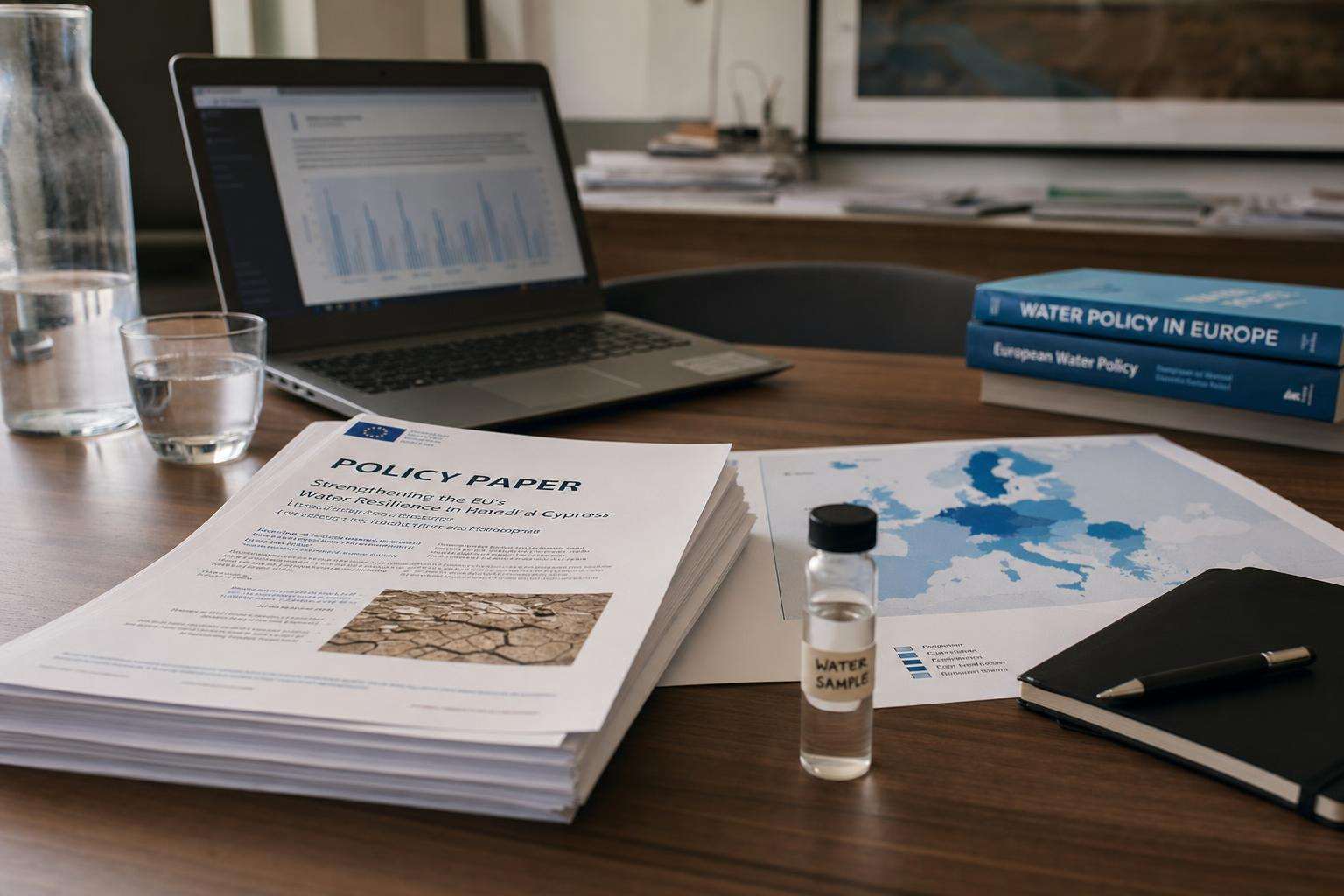
EU stack: EFSA group TWI 4.4 ng/kg bw/week (Σ4 PFAS) + proposed universal REACH restriction (>10k substances) + Stockholm listings. Different instrument than U.S. ppt MCLs—do not mix units.
Regulation is where chemistry becomes enforceable numbers. Europe’s class-based strategy tries to stop regrettable substitution; the U.S. first locked compound-specific tap-water limits. Readers need both maps.
This article is informational and editorial only. It is not medical advice, diagnosis, or a treatment plan. Numbers and literature ranges cited here are not personal prescriptions. Consult a qualified clinician before changing medications, supplements, diet, equipment, or management of a diagnosed condition. Seek urgent care for emergencies.
What does the EFSA TWI control?
Food-risk assessment for sum of four PFAS with immune critical endpoints.
Not a personal blood target and not a water MCL in ppt.
Informs dietary exposure models and national food-contact policy debates.
What would a universal restriction change?
Manufacture, use, and market placement of PFAS as a class with critical-use derogations.
Public consultation drew thousands of comments; opinions and Commission steps continue.
Goal: prevent short-chain or ether swaps that keep C–F persistence in commerce.
| Instrument | Metric | Scope |
|---|---|---|
| EFSA TWI 2020 | 4.4 ng/kg bw/week | Σ4 PFAS food |
| ECHA universal proposal | Class ban + derogations | >10k substances |
| Stockholm | Elimination/restriction | PFOS/PFOA/PFHxS |
| EPA NPDWR 2024 | e.g. 4.0 ppt MCL | Drinking water U.S. |
What international layers already exist?
Stockholm Convention listings for PFOS, PFOA, PFHxS drive global phase-down of long-chain uses.
EU Drinking Water Directive parametric values add water-side limits for member states.
National cosmetics and packaging bans act as early movers.
How should journalists compare EU and U.S. numbers?
Always state units: ng/kg/week intake vs ng/L (ppt) water vs ng/mL serum.
Cite primary agency documents, not social-media unit mashups.
Note timelines: proposed restrictions are not yet fully enacted law.
Sources: EFSA PFAS TWI news; CHEM Trust universal restriction; RIVM restriction proposal overview.
Readers should dual-source primary literature, translate slogans into exposure units and effect sizes, and rank interventions by expected value under uncertainty. Cheap reversible steps often outrank extreme protocols. Opportunity cost is real: hours spent on unvalidated tests are hours not spent on sleep, training, protein adequacy, and primary care. Sex, life stage, comorbidities, medications, and geography change interpretation. Prefer falsifiable claims with named endpoints over multi-disease cure lists. Update beliefs when stronger trials appear rather than freezing identity around a single paper or influencer narrative. Measured curiosity beats both panic and complacency. Further reading should prioritize primary sources and consensus documents over secondary social summaries. When evidence is mixed, state both the signal and the limits in the same paragraph. When evidence is strong, still avoid overclaiming universality across populations.
Context, dose, endpoint, and population must travel together; slogans that drop any of those four are not finished claims.
Context, dose, endpoint, and population must travel together; slogans that drop any of those four are not finished claims.
Context, dose, endpoint, and population must travel together; slogans that drop any of those four are not finished claims.
Context, dose, endpoint, and population must travel together; slogans that drop any of those four are not finished claims.
Context, dose, endpoint, and population must travel together; slogans that drop any of those four are not finished claims.
Context, dose, endpoint, and population must travel together; slogans that drop any of those four are not finished claims.
Context, dose, endpoint, and population must travel together; slogans that drop any of those four are not finished claims.
Context, dose, endpoint, and population must travel together; slogans that drop any of those four are not finished claims.
Context, dose, endpoint, and population must travel together; slogans that drop any of those four are not finished claims.
Context, dose, endpoint, and population must travel together; slogans that drop any of those four are not finished claims.
Context, dose, endpoint, and population must travel together; slogans that drop any of those four are not finished claims.
Context, dose, endpoint, and population must travel together; slogans that drop any of those four are not finished claims.
Context, dose, endpoint, and population must travel together; slogans that drop any of those four are not finished claims.
Context, dose, endpoint, and population must travel together; slogans that drop any of those four are not finished claims.
Context, dose, endpoint, and population must travel together; slogans that drop any of those four are not finished claims.
Context, dose, endpoint, and population must travel together; slogans that drop any of those four are not finished claims.
Context, dose, endpoint, and population must travel together; slogans that drop any of those four are not finished claims.
Context, dose, endpoint, and population must travel together; slogans that drop any of those four are not finished claims.
Context, dose, endpoint, and population must travel together; slogans that drop any of those four are not finished claims.
Context, dose, endpoint, and population must travel together; slogans that drop any of those four are not finished claims.
Context, dose, endpoint, and population must travel together; slogans that drop any of those four are not finished claims.
Context, dose, endpoint, and population must travel together; slogans that drop any of those four are not finished claims.
Sources & citations
Frequently asked